Rungis Market

Rungis Market is located just outside of Paris, France. It is the largest wholesale food market in Europe. The Tokyo Fish market and Rungis rival by claiming each is the largest in the world.

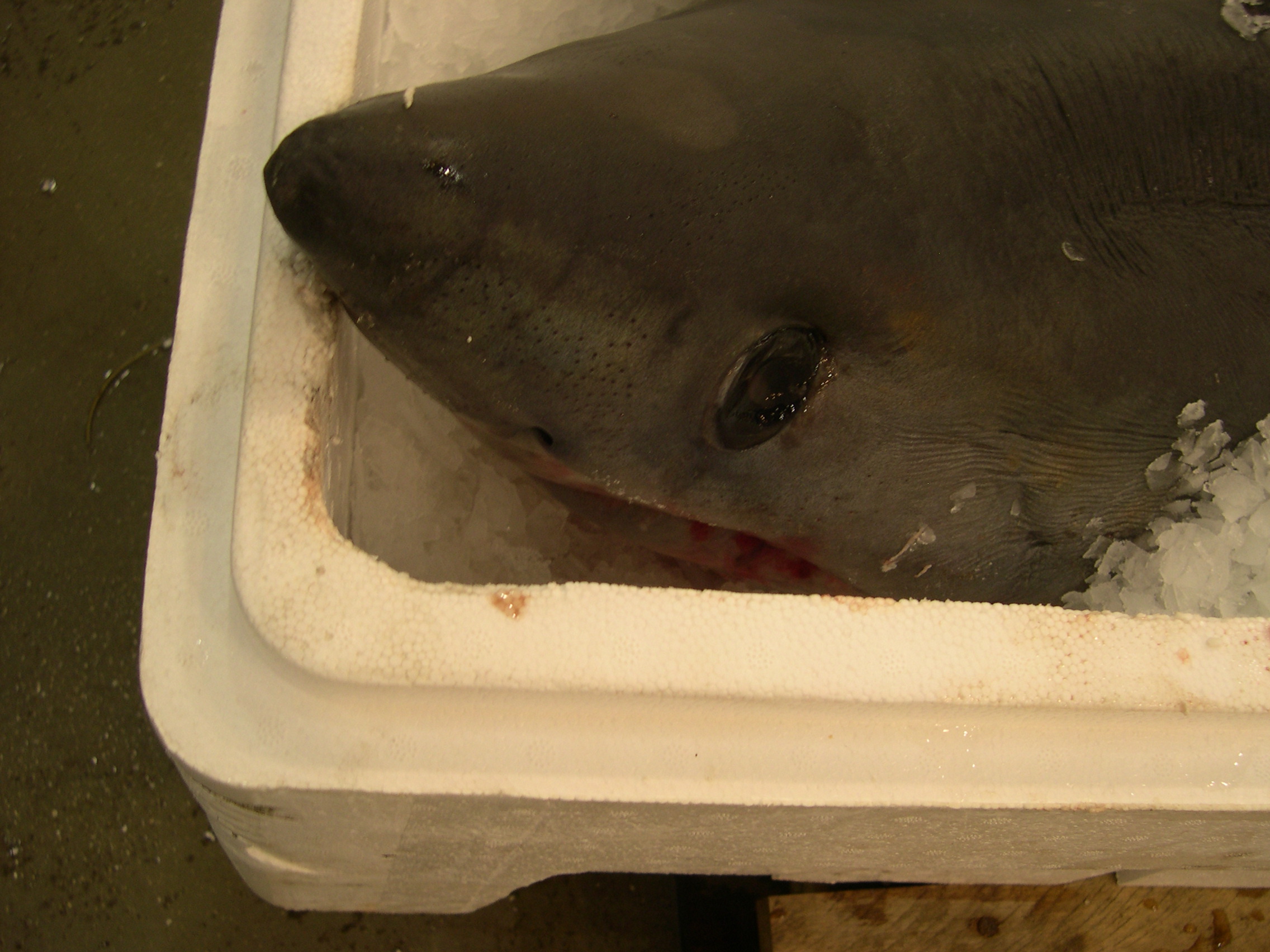
The Rungis Market has huge areas dedicated to fish, meat, cheese, produce and flowers. The place is a city all its own and that city is mostly alive at the very wee hours of the morning. In fact the fish house closes between 5 and 6 AM. Other houses soon follow.

We joined up with a culinary school from Scotland to make the minimum 20 for our all around tour. Phillipe was our guide for 2 years in a row and quite a good guide too. He told us stories of how the fish they are seeing now aren’t as large as fish they got in the past due to over fishing of certain species such as Tuna and Salmon.He told us of growing fields in northern Africa where acres of produce is grown and shipped in to the market.
This market was once located in the Les Halles area of Paris. The army came in and moved the entire market overnight to the new Rungis location. The entire re-location was hush-hush and only revealed after the move was complete.
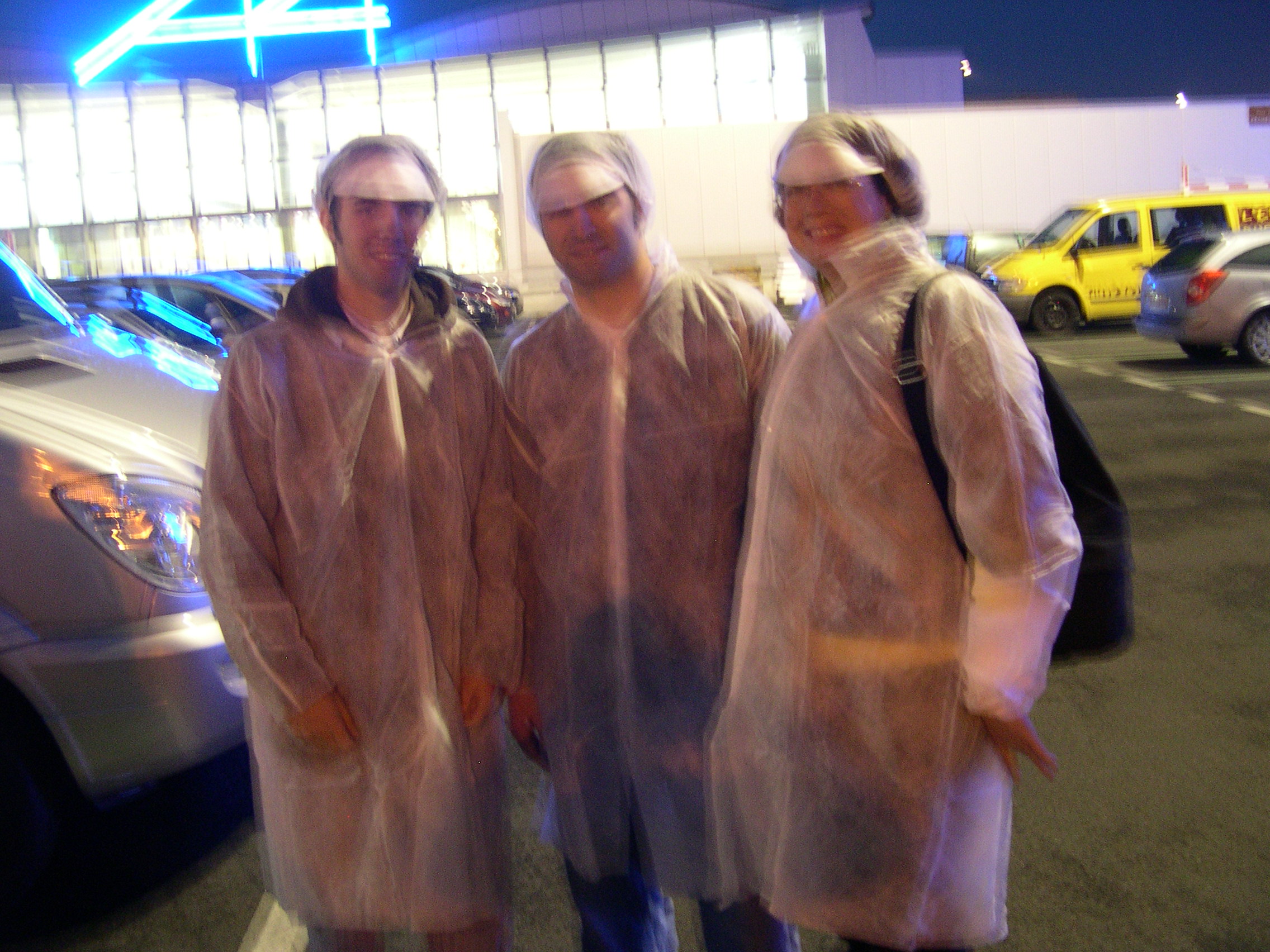
We were outfitted in silly thin paper coats for sanitation, ice and water all over the floors (slippery) and fish everywhere being hustled about on flat beds, forklifts and all in a rush to finish their business by 6AM. You had to watch and listen for the ‘beep-beeps’ as the fish were hustled where ever they were rushing them to.

The meat house was akin to being in a nightmare. Meat carcasses hung everywhere – pigs, cows, goats, lamb, and even horse. Although the horse was not in when we were there they do, on occasion, carry it.

One pork house had pig heads in a pile. One guys job was to yank the tongues out and toss the tongueless head into a big wheeled basket full of other tongueless heads. One fell out as it was tossed, the next worker came by and  it out of the way of the wheels and moved the entire grotesque basket to another room behind big blood smeared doors.

I know these are cow heads, not pigs. The pigs were in a pile getting their tongues ripped out, these got the distinction of being hung on steel pegs for some reason.

Later that evening on a menu, when seeing “Tête de cochon”, I thought to myself, yeah, saw that kicked too. Next?

They sell birds with the feet and heads on so the type of bird can be identified.

The produce markets are displayed like incredible masterpieces of produce arrangement. Such beautiful fruits and vegetables!

The cheese house features cheeses aging in all stages. There are several cheese Americans would consider spoiled by the amount of mold forming on the outside rind. There is even one cheese you need to knock the bugs out of before you cut it. It looks like a cantaloupe inside and out. The cheese is very tasty. I wish I could remember the name of it.
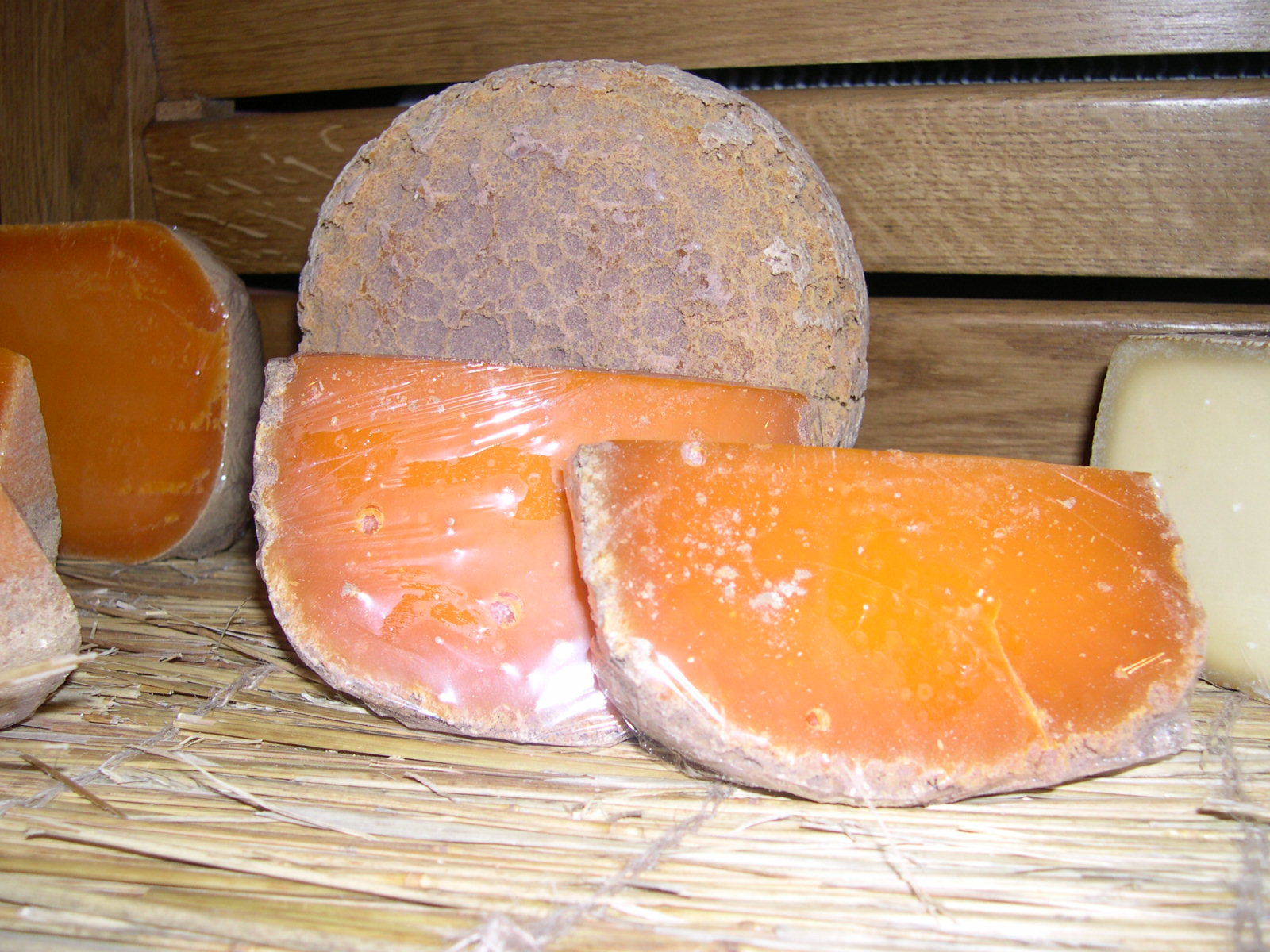
My favorite cheese is a goat cheese called “Pouligny St. Pierre”, so yummy.

The flower market is spectacular. I wished I could buy a bunch for my hotel room but, they only sell them by the truck load it seems.

This market is a must visit for food tourists. The only thing is you need to have a group of 20 to qualify for a tour. If you go, ask for Phillipe if he is still there. He is a great guide and speaks wonderful English, and French and probably several other languages as well.

We had the best croissants, hot chocolate and cafe au lait at this market. Phillipe arranged for us to stop in one of the restaurants that serve the vendors after our tour. He had to make a special request because the restaurant was typically closing for the day when we finished with our tour. The restaurant is located next to the fish house.

There were coffee stands and a bar inside the meat house. It was odd to see all the meat workers in their chain mail guards over clothes with scimitars strapped in steel sheaths.

I have to apologize for the quality of the photos here, I was trying to be discrete about taking photos. I must say that considering the job these men do, their all white clothing was actually not too bad.

To to end this lovely visit, the produce and flower pavilions.

This slideshow requires JavaScript.

Lobster-cide

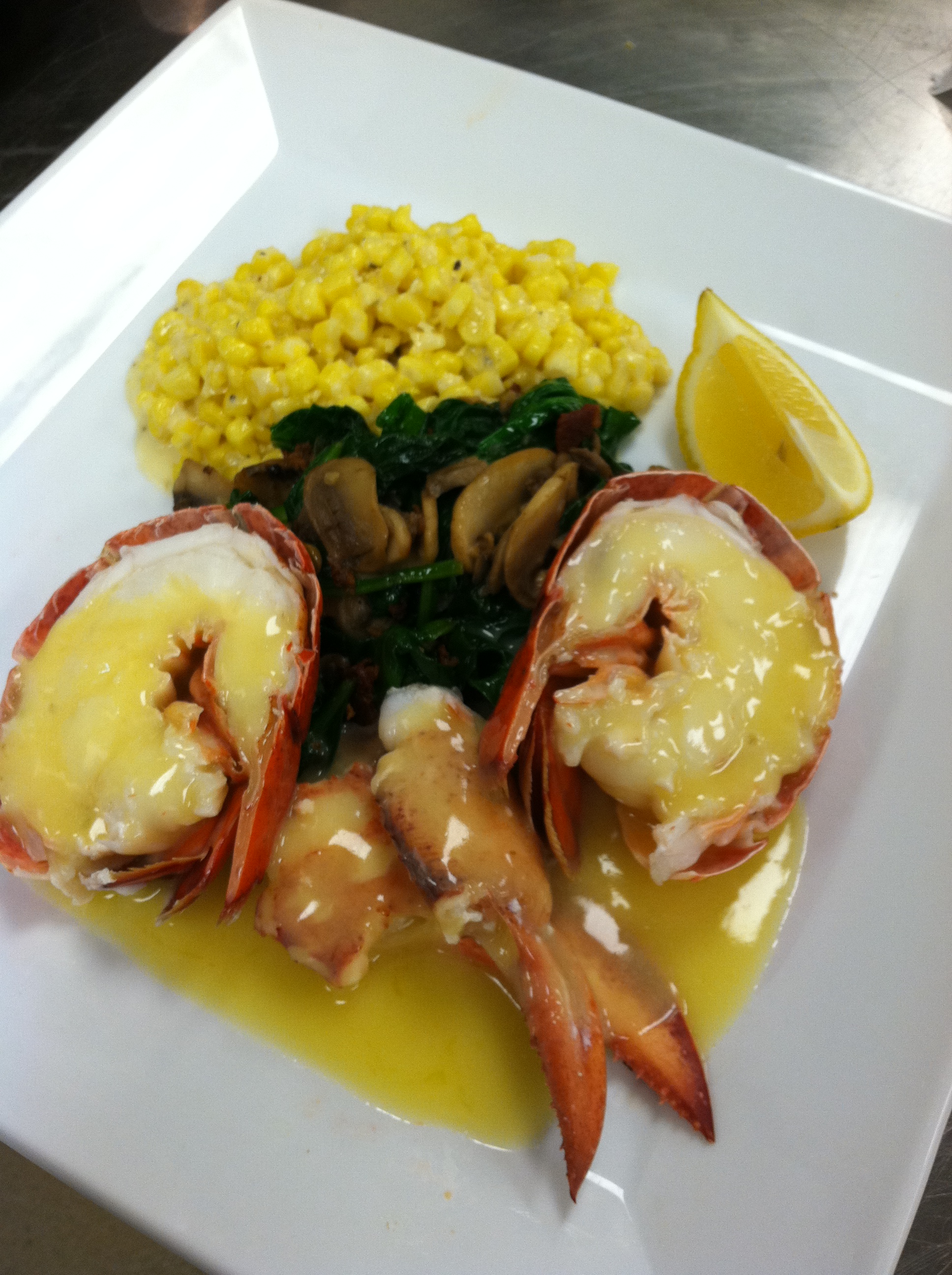
No more “lobster-cide”; I can’t kill lobsters anymore. Being a chef, and an instructor who used to be able to teach such things to poor unsuspecting students, this isn’t something you’d admit out loud.

I was reading Domestic Diva MD‘s post on having to cut up a chicken and kind of understood what she was crying about. I can butcher chicken and birds quite well, it doesn’t bother me at all.

Suppose that is because they are dead when they arrive on my cutting board.

This is a wooden chopping board with a chef's ...

Image via Wikipedia

Lobsters, on the other hand, come in live and kicking and probably pretty frustrated by having their claws banded shut. (thank goodness!) or OUCH! pegged shut. ( The would probably be more angry than frustrated.)

Lobsters shipped for consumption in the United...

Image via Wikipedia

They flicker their feelers at you, roll their odd eyes and foam at the mouth for desire to be back in the water.

They try to walk around so you have to watch them or put them where they can’t get away.They often pack fresh seaweed with them so they have something familiar on their death ride besides a waxed box with ice. That is most likely not the reason, but it is my guess for now.

In order to kill them correctly, you need to rub them between the eyes to calm them down and ‘put them to sleep’ before plunging a 12″ razor-sharp knife into their brains.

“Kills them instantly.” says Eric Ripert

Has he ever been a lobster? How does he know?

I can’t do that anymore. I am bothered by being able to do it in the first place. Once they are dead, no problem, just can’t kill them.

The last time I had to kill lobsters was for a dinner party I was doing for a friend in Atlanta. 14 lobsters for the appetizer.

14 live and kicking lobsters. I could hear them scratching around inside the box, slightly muffled by the seaweed packed in the box with them.

I placed them in the kitchen sink. I got creeped out by so many large weird leggy things scrambling around in the sink, I had to put some of them back in the box.

Then the killing started.

Rubbing the space between the eyes, they calm down. Ready, Aim, Plunge and split the thing in two.

OH! How it writhes and wiggles after!

After forcing myself to do all 14, I was a total basket case. Crying, kneeling down begging forgiveness for taking their lives, who was I after all to decide it was their time to die?

It was quite a horrible struggle emotionally and morally. I won’t kill lobsters anymore.

Not that way. If necessary, I’ll put them into a perforated hotel pan and pop them into a fully active steamer and slam the door shut for 8 minutes.

When I return, voila! Lobster meat. The shells have turned red and there lies the perfect ready to eat lobster, after you rip off its tail and claws.

(I worry about the students who ‘get a kick’ out of learning this. Glad they only get 1 lobster)

Melt some butter and Bon Apetit!

Just don’t ask me to kill them anymore.

This past week

During this past week I have had some time off to get some projects off of my need to do list.

This is what I have been up to:

  • Taxes are done! Until next year. Every year I say I’m going to keep track of records so there isn’t so much to do at the end of the year. Right.
  • Nurturing sourdough cultures into some wonderful bread
    • The cultures had sat in the back of the fridge for over a week, neglected. I was afraid they were dying but after some TLC, Voila! Lively sourdough cultures.
    • I used Amaranth flour and discovered a wonderful green corn silk flavor which turns nutty when toasted
    • I made enough bread for the neighborhood. I love working with the dough. Something about it that I can’t explain
  • Located a commercial kitchen for the production of the condiment line we have been working on for a couple of years.
    • It is amazing how hard these facilities are to find.
    • Now for the details of product liability insurance, leases, USDA labeling compliance etc.
    • Finalizing all of the marketing materials from labels, cards, point of sale materials etc.
    • Lining up spaces in farmers markets to begin marketing
      • Design table display
      • Develop standard product demonstrations
    • Releasing product samples to a sales rep for larger sales and markets
  • Created some great meals that should have been on Spoon Feast
    • Crispy chicken thighs with green Thai sauce over coconut rice
      • Thai green sauce is a recipe in development and simply knock your socks off delicious!
    • Black Bean Soup
    • Grilled Steaks with classic salad and baked potatoes
    • Chicken breasts with lemon rosemary
    • Salmon salad on toasted homemade bread
    • Oven “fried” cod fillets with Thai green sauce (see above) and jasmine rice
    • Deviled Eggs, a true Southern dish

I suppose I should have been blogging about these dishes but didn’t.

I just wanted to cook without documentation.

  • Listened to French moviesall day just to hear the language.
    • I was inspired by Becoming Madame to find more ways to immerse myself into the process of learning French.
  • Registered for a digital photography class Saturday afternoon
    • I am very excited about this one!

I’ll be back on the regular blogging schedule by tomorrow.

In the meantime, the orchid has started blooming, soil is warming, the coffee is hot, and it is going to be a glorious day.

Life is good.

Soup on Sunday

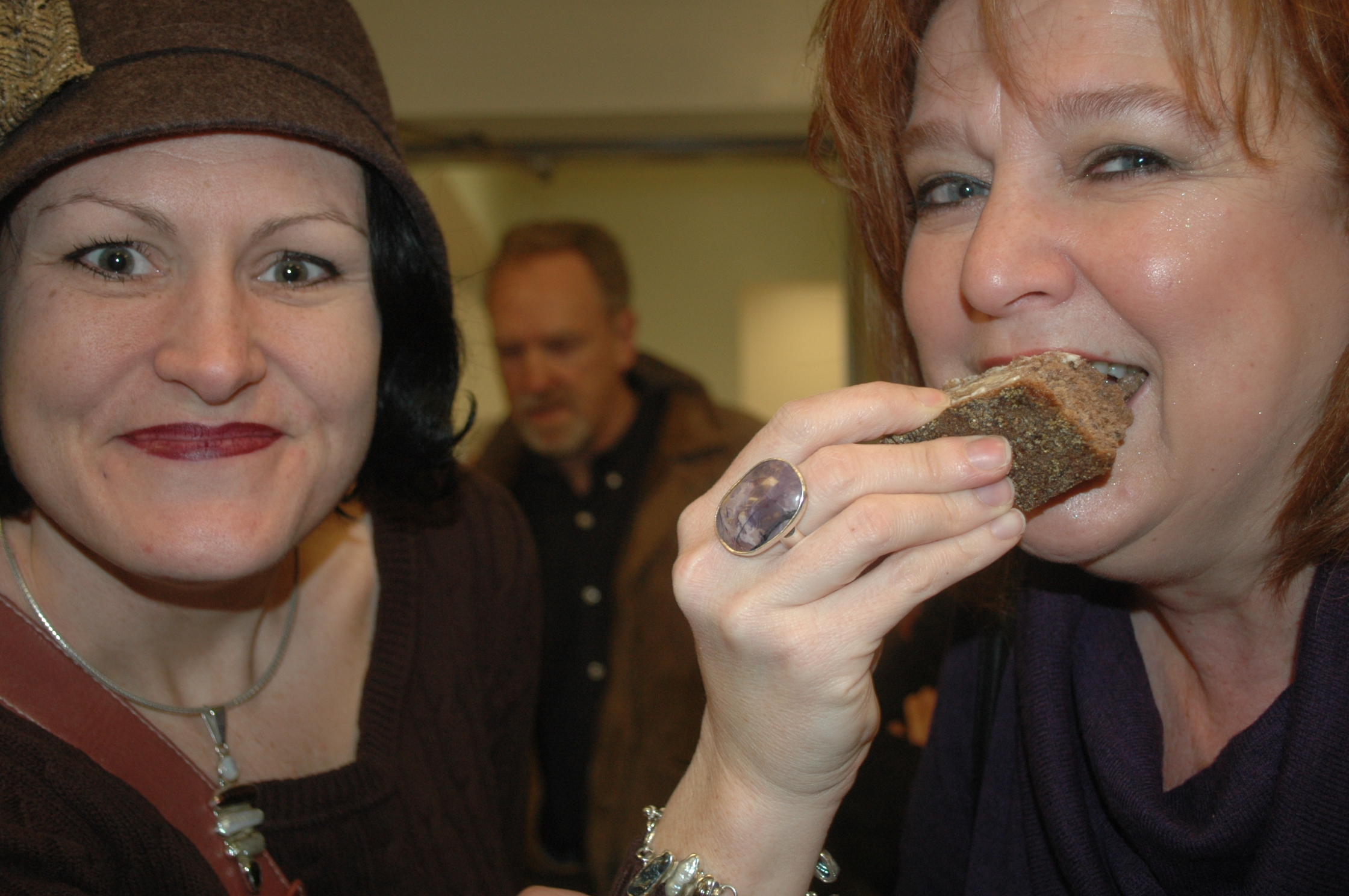
Every year on the last Sunday in January, the Culinary Arts Department at Central Piedmont Community College hosts a fundraiser “Soup on Sunday” to raise money for Charlotte area Hospice.

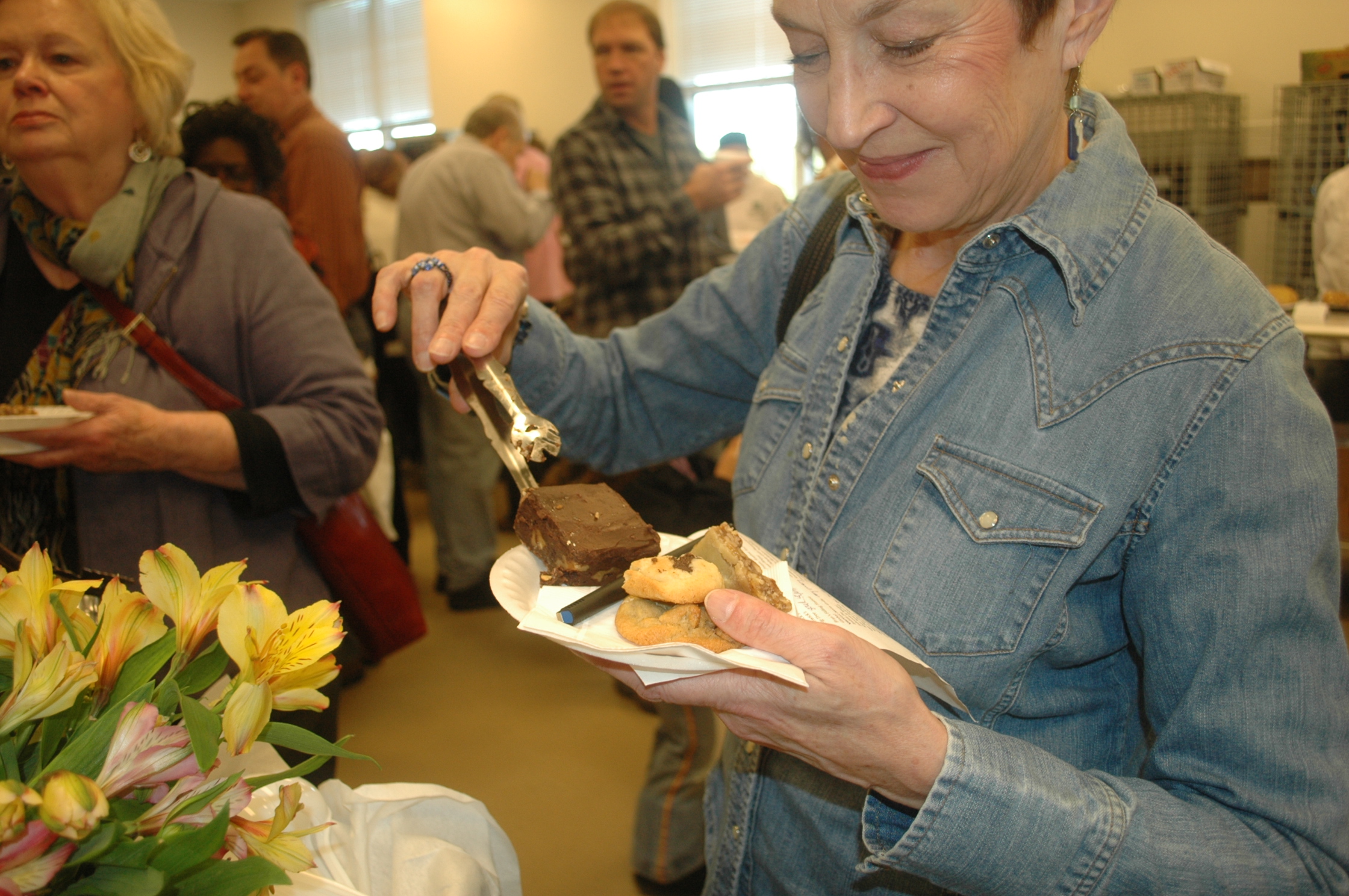
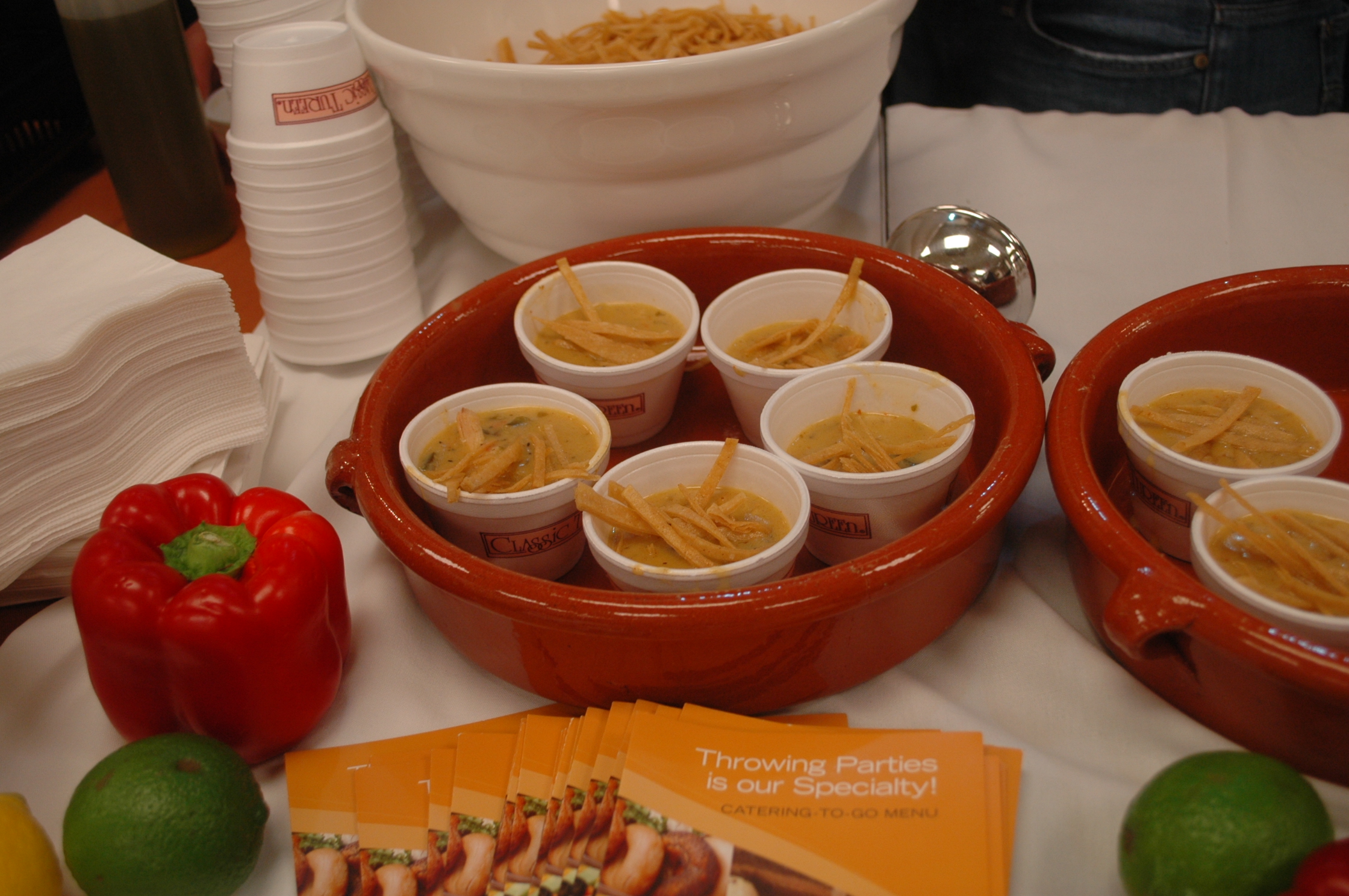
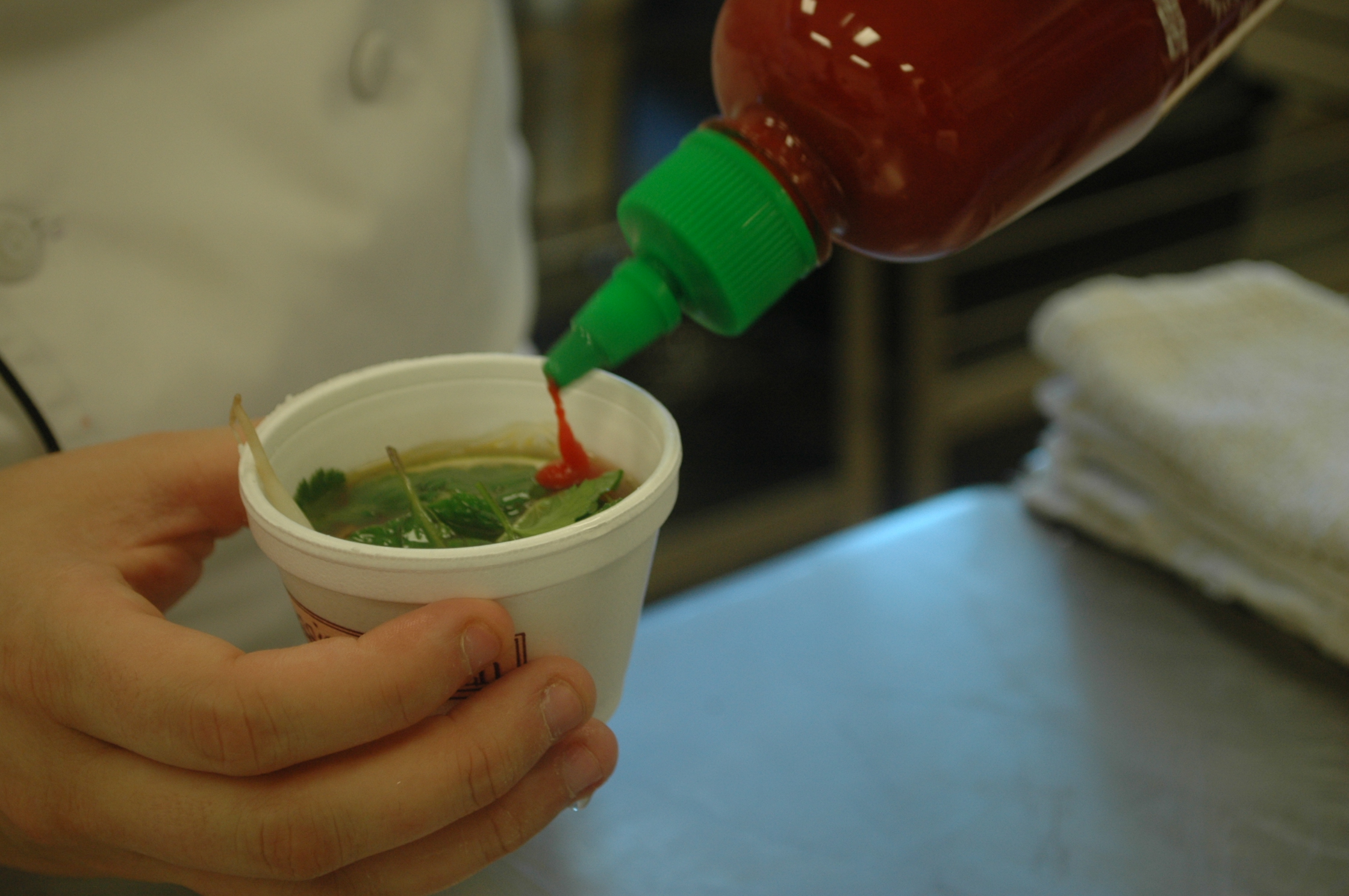
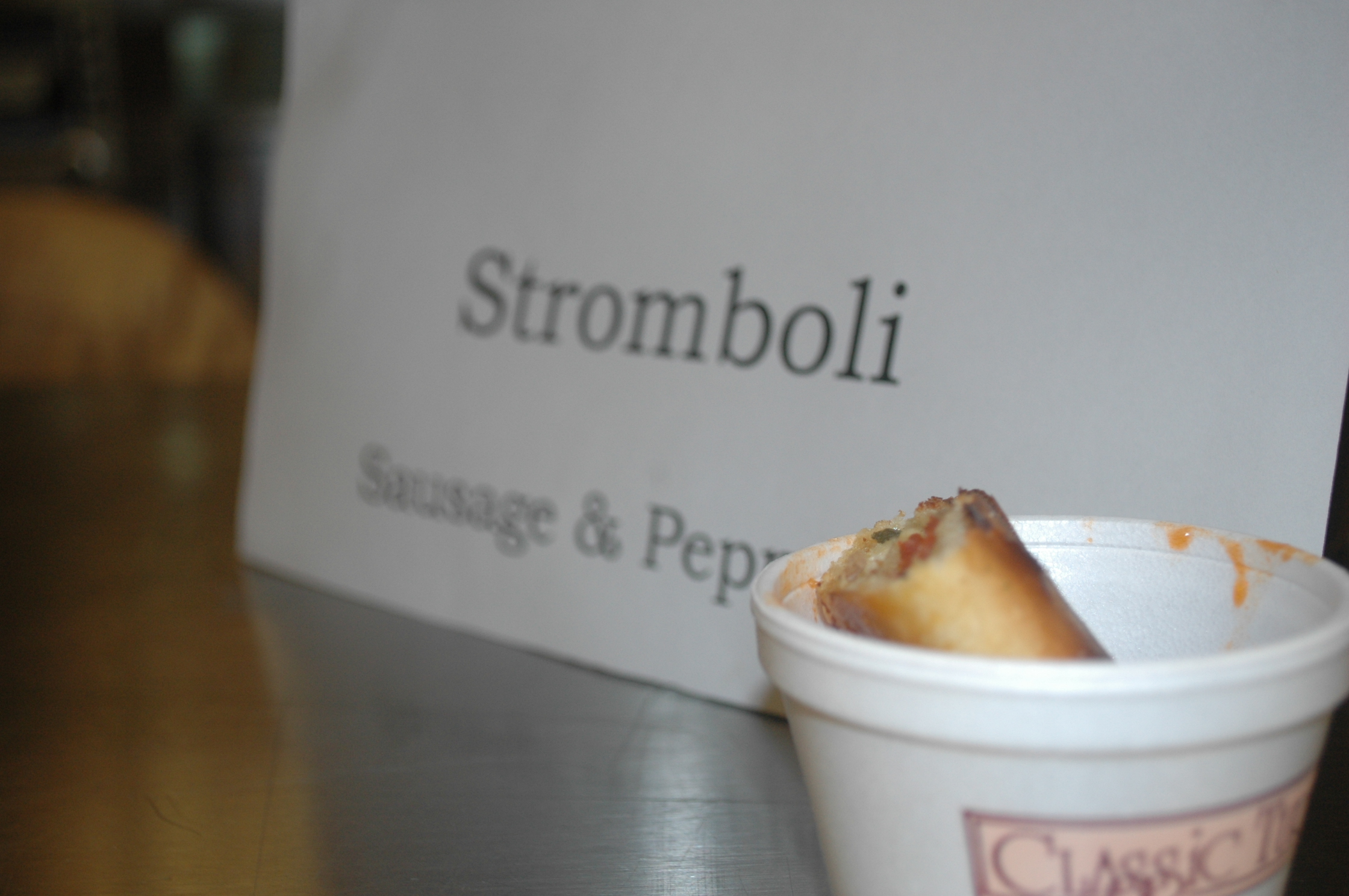
35 restaurants make at least 5 gallons of soup, stations are set up  in our teaching kitchens, dining room, classrooms and hallways to offer up various tastings of soup, breads, pizza, desserts, drinks and pottery.

“To taste only” is misleading – you get to eat 35  two-ounce samples of soup. That is over 1/2 gallon of soup! Not to mention the breads, pizza, desserts and chocolates. So you  actually get stuffed or stuck on your favorite things.

Local potters make bowls for the occasion. Buying a bowl is part of the tradition. If you like, you can use your bowl to sample the soup or have a big bowl of your favorite.

The event is fun, exciting and raises a decent amount of money for the cause. This year tickets sold for $40 which includes your choice of bowl or $30 to taste only.

We expect over 700 people this year, maybe more since the weather is amazing. 2 years ago we had to reschedule due to snow and then we competed with the Super Bowl when we finally got to host the event. This year will make up for that!

Local culinary schools like The Art Institutes and Johnson & Wales show off their wares in desserts and chocolates. It is fun to watch the students “strut their stuff” at events like these.

Additionally students get involved with volunteering. A concept some have never considered yet is so important for a vital community.

Hospice is a great cause for end of life care. I am glad we can do something for them who do so much for us when needed.

What do you volunteer for that helps build your community?

Our Director of Sanitation Maneuvers

Radishes

Watermelon Radishes

I am a big fan of radishes. I love all kinds of radishes from daikon to french breakfast radishes, I never tire of crunching on them.

Sometimes they get steamed and called  ‘Baby Pick Turnips‘ so as not to put anyone off by saying ‘cooked radish’.

When I go on a road trip, the typical snack food is some nice crisp radishes and salt right there for snacking as I roll on down the road.

(Far better than junky road food!)

Do YOU like radishes?

French Radishes

Small Snack

Food Safety

English: Template for Template:Food safety

Image via Wikipedia

Nearly every day we hear of  food safety related issues in the news: salmonella, Listeria, E coli, norovirus, hepatitis a,b,c, Shigella contamination and food recalls. While most people think these issues are concern only to the commercial food industry, the truth is these issues matter at home too.

Food safety is a passion of mine. We all expect restaurants to handle the food they prepare safely and not transmit any food borne illnesses. Protecting  public health through training and education is expected, encouraged and required by laws and regulations.

The general public has a notion of what they expect from a restaurant as far as sanitation standards are concerned but neglect to apply those same expectations to their home kitchens.

How well do we do at home?

Food borne illness outbreak investigations begin in the victims home. Often it is found we have made ourselves sick.

If we look at the top five areas the Center for Disease Control and Prevention (CDC) has identified as the most likely to produce a food borne illness, we can analyze how to do better at home.

1. Buying food from unsafe sources

2. Failing to cook food adequately

3. Holding food at incorrect temperatures

4. Unclean equipment and utensils

5. Poor personal hygiene

Let’s take a look at each area and see what we can do to improve the sanitation of our home kitchens. A little knowledge can save a lot of discomfort while preventing a food borne illness outbreak.

1. Buying food from unsafe sources

Know where your food comes from. If you buy from farmers, ask about their agricultural practices. Are they organic? Do they have documentation to prove it? Can you come visit the farm?

For grocers and other markets, look around and see how clean it is. Notice handling habits of employees and don’t be afraid to speak up when you see something you think should be corrected.

Transport your food from the store to home in cooler bags and properly put the food away as soon as you get home.

Use the rule of 2 hours or less out of refrigeration. This includes walking around the store, taking it home, unpacking and putting it away. Do it quickly. Don’t buy groceries and then just “run in for a minute” anywhere. Food has the priority over just about anything else short of a medical emergency.

Remember this rule: Any food that has been out of refrigeration for 4 hours or more has to be thrown away.

Color-enhanced scanning electron micrograph sh...

Image via Wikipedia Color-enhanced scanning electron micrograph showing Salmonella typhimurium (red) invading cultured human cells Credit: Rocky Mountain Laboratories, NIAID, NIH

2. Failing to cook food adequately

Cook poultry well done. That is at least 165°F (74°C) for 15 seconds. There should be no pink or red juices and no red or pink near the bones.

The inside of muscle meat is considered sterile until pierced. So don’t go poking your fork in the steaks for the grill if you want them on the rare side. Poke them only after the outside has been seared.

3. Holding food at incorrect temperatures

Hot food hot and cold food cold. The temperatures are 135°F (57°C) for hot food and 41°F (5°C) for cold foods. Anything in between is optimal for bacterial, viral and parasitic growth.

DO NOT thaw frozen proteins on the counter or in the sink. Thaw in the refrigerator, or under lightly running water that is 70°F (21°C) which means the water is cold, not warm or hot!

Always sanitize the counter, sinks, tools, towels, aprons etc. after handling proteins using a bleach solution of  1/8 tsp bleach to 1 quart of cold water.

4. Unclean equipment and utensils

After each use and before starting another one, all used equipment must be washed, rinsed and sanitized before starting another task. Run things through the dishwasher on the sanitizer cycle with heat dry.

When was the last time you cleaned out the refrigerator and washed all the drawers, walls and shelves? Do this task on a weekly basis and daily as spills occur.

None - This image is in the public domain and ...

Image via Wikipedia

5. Poor personal hygiene

Wash your hands, wash your hands, wash your hands. When handling food, you can’t wash your hands too much.

If you have a wound or injury that has broken flesh, cover the wound with a bandage and wear a glove.

Do not prepare food for other people when you are ill.

Sorting out your home refrigerator

If you know what order foods should be stored in, you can avoid the risk of causing a food borne illness in your home.

Here is a simple rule I call “Swim, Walk, Fly”

From the top down designate areas for:

    • Ready to Eat (vegetables, salads, cakes, fruit, drinks, cheese)
    • Things that swim (fish, shrimp, seafood – fresh and salt water)
    • Things that walk (Beef, pork, lamb roasts or steaks)
    • Walking things that are ground up (Ground beef, ground pork, ground lamb)
    • Things that fly (chicken, quail, turkey, duck, pheasant, squab, eggs)

All flying things are to be on the very bottom. Keeping items in this order will prevent any cross contamination. Teach your family how to properly store things in the refrigerator too.

Cover and label all food correctly.

Date when things go into the refrigerator and then throw them out after 7 days.

Cool food before placing them in the refrigerator. Remember to cool food quickly – four hours or less or else throw it out.

Use ice baths, cut into smaller portions, increase the surface area by spreading the food on a sheet pan are all methods to cool food quickly before storing.

Pack groceries carefully. Keep all proteins in separate plastic bags.

Do not mix muscle meats with ground meats; keep them separated.

Keep all poultry separate from everything.

If you use cloth bags for your groceries, be sure to wash them once a week or more often if they become soiled or stained.

Designate different bags for meat and bags for produce.

Food Safety is not just for professional food handlers. It is for everyone.

A little bit of knowledge can go a long way in preventing some pretty serious food borne illnesses.

Implement your own food safety program at home today.

If you need any help as to how to get started, let me know. I’ll be glad to help.

The Beauty Of Pollination

The Beauty Of Pollination

This is spectacular! If you don’t know about ” TED Talks” this is a beautiful introduction.

Please enjoy this video.

Merry Christmas!

Merry Christmas Everyone!

Wishing all of you the best the holiday season brings.

Thank you for taking the time to read my blog.

Chef Pamela

Hunger in America: How to Help – ABC News

Members of the United States Navy serve the ho...

Hunger in America: How to Help – ABC News.

Do you realize that 1 in 6 Americans is hungry?

If you have food on your table and in your refrigerator consider yourself lucky.

This holiday season I would like to ask that we all do something within our

communities to help those who are hungry, adults and children. Hunger knows no race or age. Hunger is something we CAN do something about.

What can you do?

  • Locate your local food bank- volunteer and contribute
  • Sponsor a food drive at your work. Collect non perishable foods for donation.
  • To be successful gathering food, it helps to offer suggestions as to what you want : canned vegetables, canned soup, dried soup mixes so you don’t end up with all one kind of item.
  • If you know of a family who could benefit from food donation, make a donation basket or box and leave it anonymously.
  • Make a whole bunch of cookies or bread and take it to a Ronald McDonald house or nursing home. Cookies and bread are feel good food and these people deserve to feel better.
  • Volunteer at a soup kitchen or place that is serving holiday meals to the hungry and homeless.
  • Deliver goodie boxes or baskets to women and children shelters.
  • Get involved with your church groups outreach programs.
  • Start your own community outreach-perhaps something that extends beyond the holidays. Hunger is year round.

The most important thing is to DO SOMETHING!

Please read the link from ABC News regarding Hunger in America. In the link there are ways to donate time, talent, money so we can all do something about hunger.

Please do something, anything at all.

Please take a look at this link from ABC News regarding Hunger in America here to help you identify ways you can make a difference.

Farmers Market

Local, sustainable, organic, the buzz words of foodies everywhere. Do we really know where our food comes from? How does it end up on our plates? Who are the people that actually grow our food?

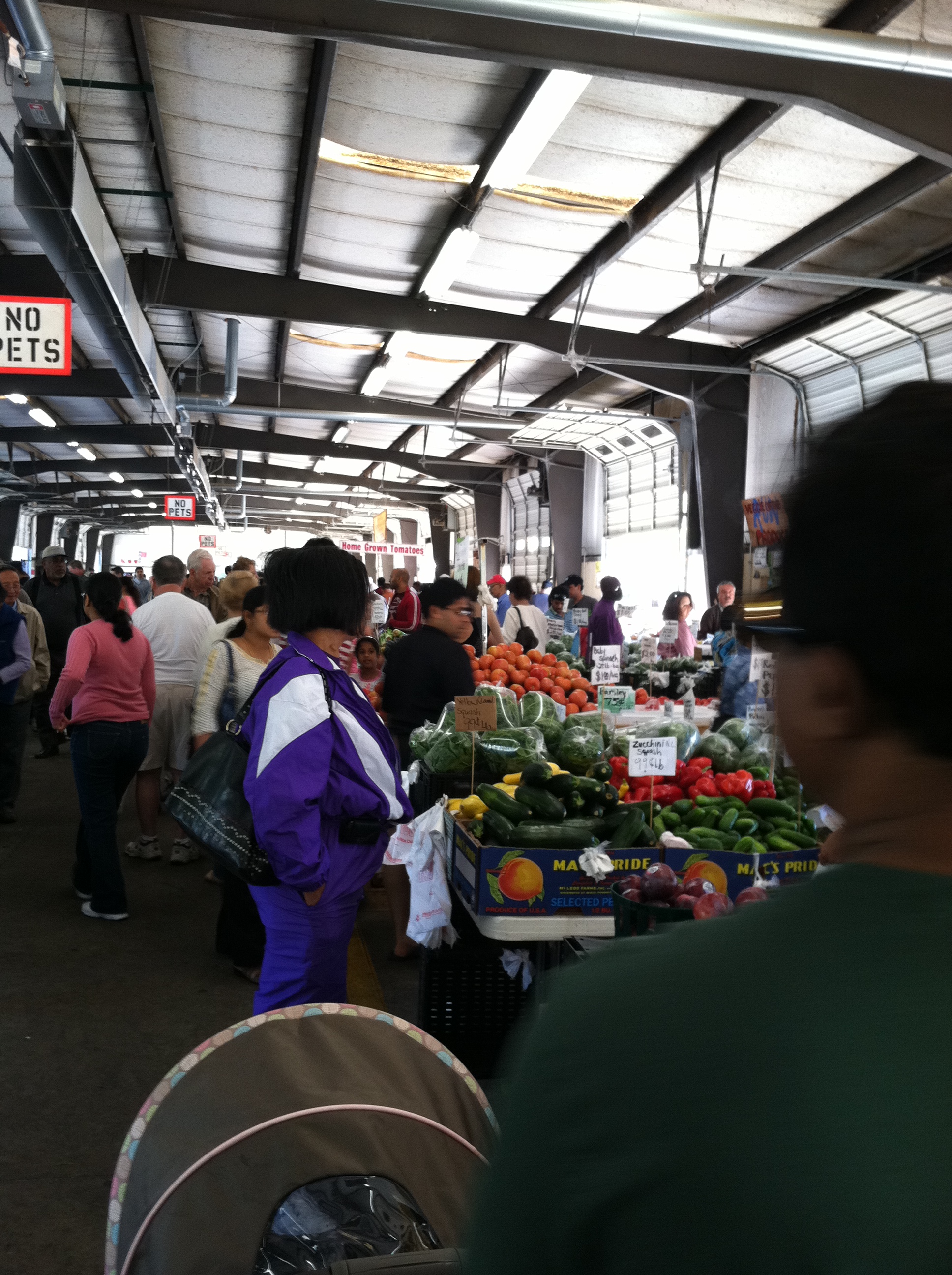
I decided to do to the big farmer’s market here in Charlotte to find out. Charlotte has many small markets that pop up all over town on different days of the week.

There is a popular one just a few blocks down the street from the house and then there is another HUGE one out by the airport. That’s where I went; The Charlotte Regional Farmers Market on Yorkmont Road.

The market opens at dawn on Saturdays. Every time I was there before, there were always treasures. Today was no different.

I bought a bounty of goodies. French red sparkler radishes, aromatic peaches, crisp rainbow Swiss chard, pink lady apples, yummy corn relish and more.

Scuppernong Grapes

The air was filled with the heady scent of scuppernong and muscadine grapes. I think they are like eating eyeballs, but of course much more flavorful. You bite the skin open and squeeze the grape’s insides into your mouth then discard the skin and the single seed inside. The flavor is sweet, rich, full and totally unique to these grapes. Everyone should try them sometime.

I met a delightful, energetic lady who keeps herself quite busy with all the tempting relishes, pickles and treats she makes and sells at the market. Miss Virginia has been selling her wares at this market for over 8 years. I will have to visit Virginia again for another of her creations as well as to get her information. Be sure to buy yourself something when you visit Virginia at the market.

Her corn relish was great with the grilled chicken we had for dinner. . .  wait until you hear about our dinner!

She told me about her grape leaf dill pickles, which she claims is her best seller. I asked about the grape leaf and Virginia says it makes the pickles really crispy. Virginia has written her most popular and favorite recipes in a cookbook which she sells at her booth in the market. I enjoyed talking to someone who obviously enjoys the condiment world as much as I do. In fact she inspired me to buy some pickling cucumbers to put up some more before the season is gone. I’ll be making the half sour pickles.

Virginia and Grape Leaf Dill Pickles

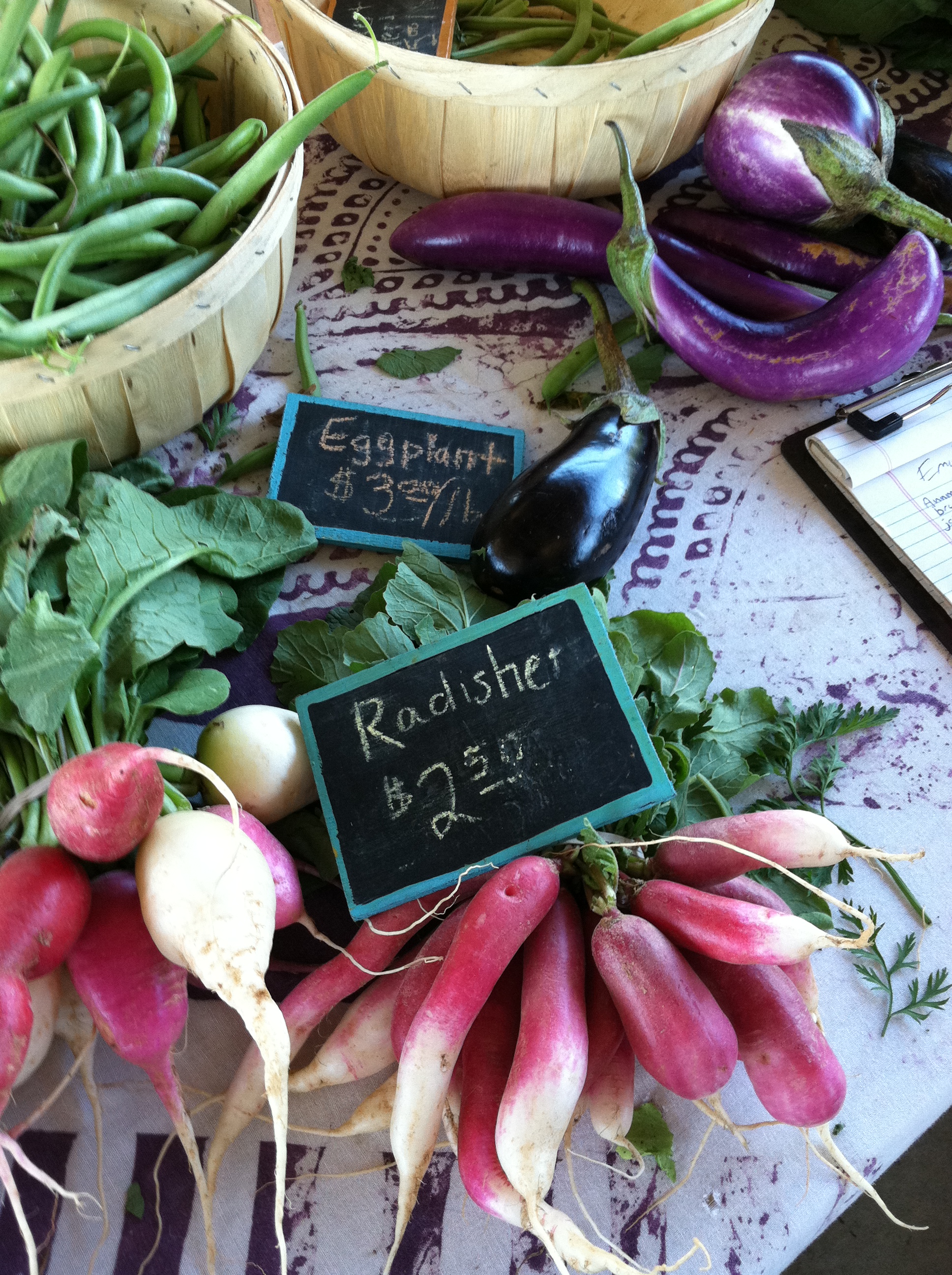
I talked to a gentleman who grew the most beautiful radishes. We spoke about the many ways to cook them and agreed the best was was to simply dip them salt and scarf them raw. His display reminded me of the markets in France in that he used these small chalk boards to write his items and prices and laid the boards amongst the leaves.

I bought these radishes, YUM!

There was one farmer who had a very nice hand made book he was collecting e mail addresses in. It was made from leaves and found objects and fabulous hand made paper and a small bit from a palm tree decorating the spine.

The farmers were excited about the fall growing season. After a hot summer, they are glad for more hospitable growing conditions. Hopefully, as long as the frosts don’t come, there will be lots of bounty to come.

There were organic chickens, eggs, beef, lamb, pork, goat (sold out), quail, Cornish hens, bacon, country hams, sausages and more. I looked for Arcana chicken eggs but didn’t see any. These eggs are naturally laid colors: pink, green, blue, yellow with bright orange yolks. Either the hens aren’t laying or they sold out early.

I brought home an arm load of goodies. We had to cook the chard because it was too big to fit into the refrigerator. For dinner we grilled an organic chicken, sweet onions, peaches with thyme and honey, sauteed Swiss rainbow chard, Virginia’s corn relish (so good!), Lundberg Farms Brown Rice Medley, grilled French bread with olive oil and rosemary.

I think I need to stretch my belly. Here are some pictures I took today.

Apples on display

Eggplant varieties

Multi colored Carrots (I bought these!)

I bought this rainbow chard too

Well stocked

I bought all this and more

If you haven’t been to a farmers market lately, go. These people are the heart of our country, they grow YOUR food!

Go meet them, talk to them, learn what is in season, ask how they cook it if you don’t know how.

Get on their e mail lists and they will tell you what they have an how much. Reserve what you want before it gets sold out. I do this with Cornish hens. Your food comes from somewhere other than the grocery store. Go discover where your food is grown, meet the farmers and feel good about using local and sustainable resources. Supporting local will improve local economies, but that is another post.
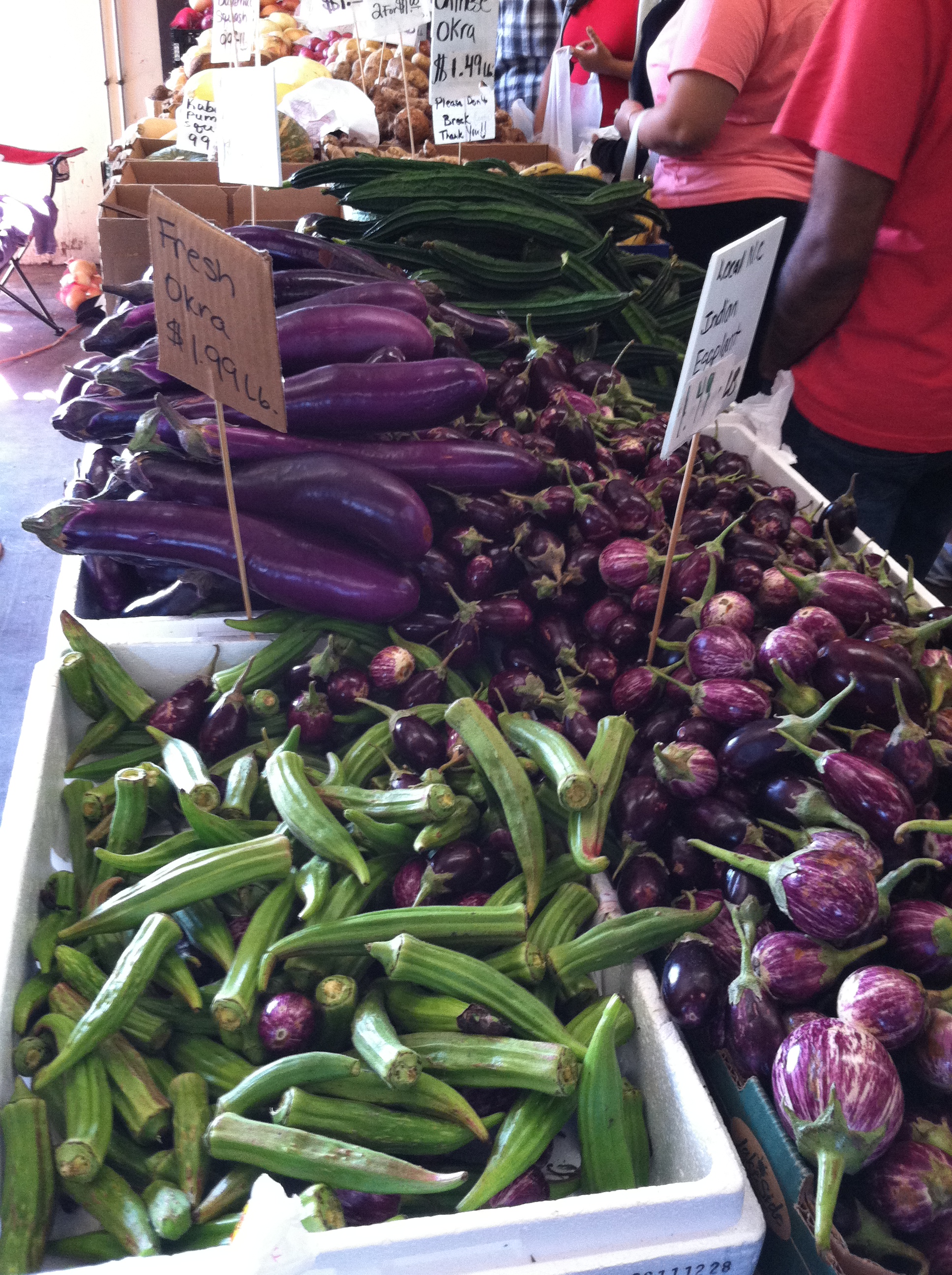
Let me know what you find at your farmer’s market! Click Farmers Market here for a listing of markets in the Charlotte area.