Hot and Spicy Chicken

So here is a recipe for a hot and spicy chicken from Paul Prudhomme. He calls it “Frontier Chicken”; I call it delicious!

The flavor resembles Chicken Creole and will leave you smacking your lips because it is so good.

Hot and Spicy Chicken!

Hot and Spicy Chicken!

I left out the jalapeno because I thought it had enough spicy heat, but if you can tolerate them, add them in. We served sliced jalapeno on the side.

There’s one element that will surprise you.

Banana! Don’t leave it out! It makes for such a delightful complex surprise when you’re eating and there’s that bite. . .

Paul Prudhomme's Frontier Chicken

  • Servings: 4-6
  • Difficulty: medium
  • Print

Seasoning Mix

  • 2 teaspoons salt
  • 1 teaspoon ground cardamom
  • 1 teaspoon cayenne
  • 1 teaspoon ground coriander
  • 1 teaspoon ground cumin
  • 1 teaspoon ground fenugreek (I left it out because I couldn’t find it)
  • 1 teaspoon garlic powder
  • 1 teaspoon ground ginger
  • 1 teaspoon dry mustard
  • 1 teaspoon onion powder
  • 1 teaspoon ground black pepper
  • 1 teaspoon ground white pepper
  • 1 teaspoon red chili powder
  • 1 teaspoon turmeric

Combine everything into a small bowl; set aside while your prepare the rest of the dish

For the chicken and the rest of the dish:

  • 6 (4-6 ounce) chicken breasts or 1 cut-up 8 piece chicken or 8-12 chicken thighs, bone in
  • 3 Tablespoons olive oil
  • 1 ½ cups of chopped onion
  • 1 cup chopped red peppers
  • 1 cup chopped green peppers
  • 1 cup chopped yellow peppers
  • 1 large ripe banana, peeled and sliced
  • 2 cups chicken stock
  • 1 tablespoon chopped garlic
  • 1 tablespoons minced fresh ginger
  • 3 Tablespoons all-purpose flour
  • ¼ cup chopped fresh cilantro
  • 2 fresh jalapeno, chopped (remove seeds and robs for milder heat; wear gloves to protect hands)
  • 1 14 ½ ounce can diced tomatoes

Sprinkle each side of the chicken breasts with ½ teaspoon of the spice mixture. Be sure to massage it in well.

Heat oil in a large skillet or 5-quart pot, add the chicken to brown each side, typically 2-3 minutes on each side; remove from pan.

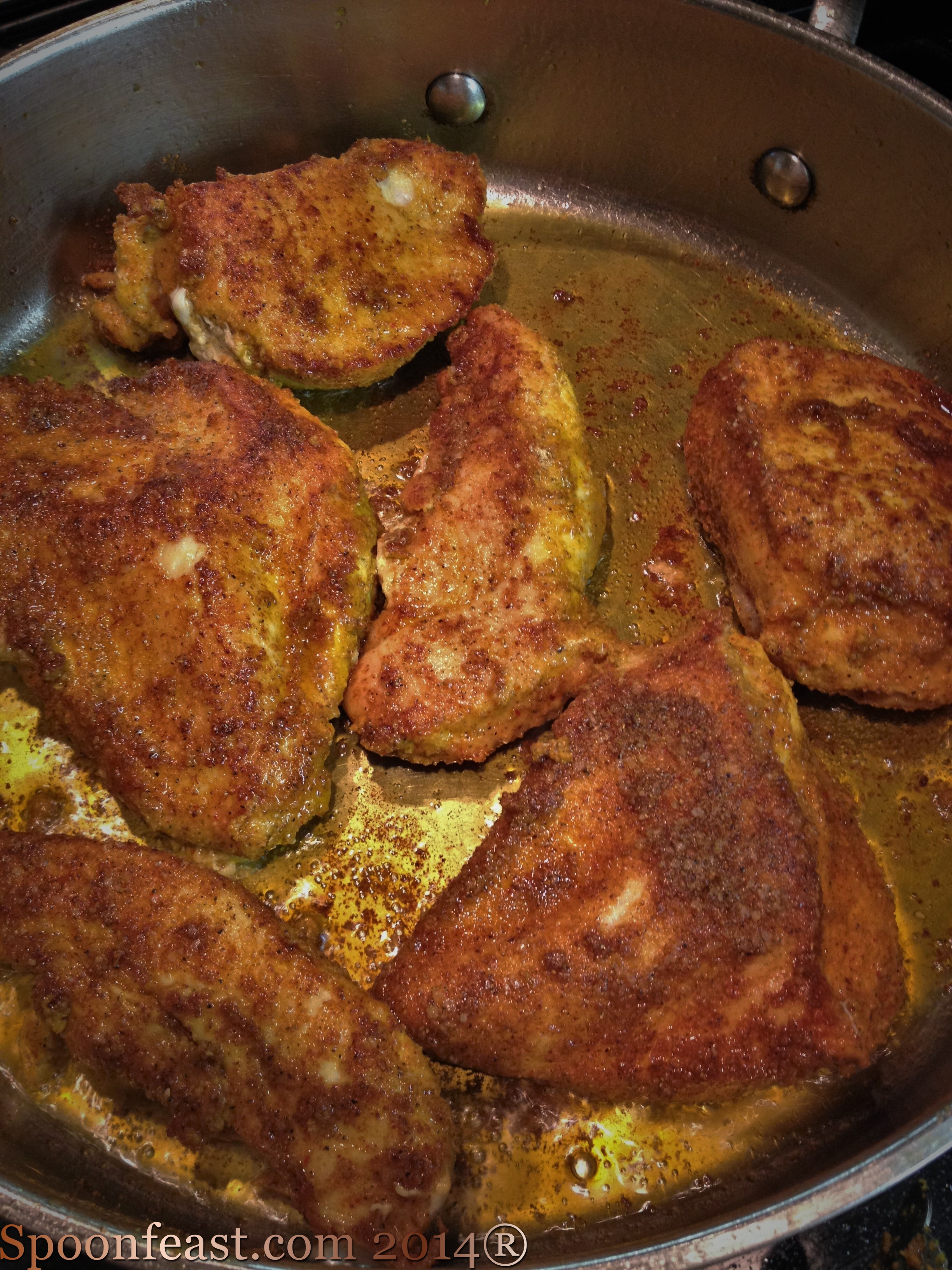
Brown the seasoned chicken on both sides

Brown the seasoned chicken on both sides

(Notice the color of the oil! A great golden brown from the turmeric, it’s quite dramatic!)

If you notice the chicken or the pan is starting to burn, turn the heat down.

Once the chicken is removed from the skillet, place it in the oven to keep warm. It will finish cooking later.

Add 1 cup of the onions, only half of each of the chopped peppers (not jalapeno) and the banana and the remaining seasoning mix to the pan. Cook; stirring occasionally and scraping the pan for about 10 minutes. IF anything starts to get too brown, add chicken stop to loosen everything from the bottom of the pan.

Add garlic, ginger and flour, stir until the flour is absorbed; add the remaining peppers, onions, cilantro and jalapeño.

Cook for 5 minutes, add the tomatoes and remaining stock. Bring to a boil.

Add the chicken and any juices that may have accumulated to the pan, reduce to low and simmer about 10 minutes more until the chicken is cooked through.

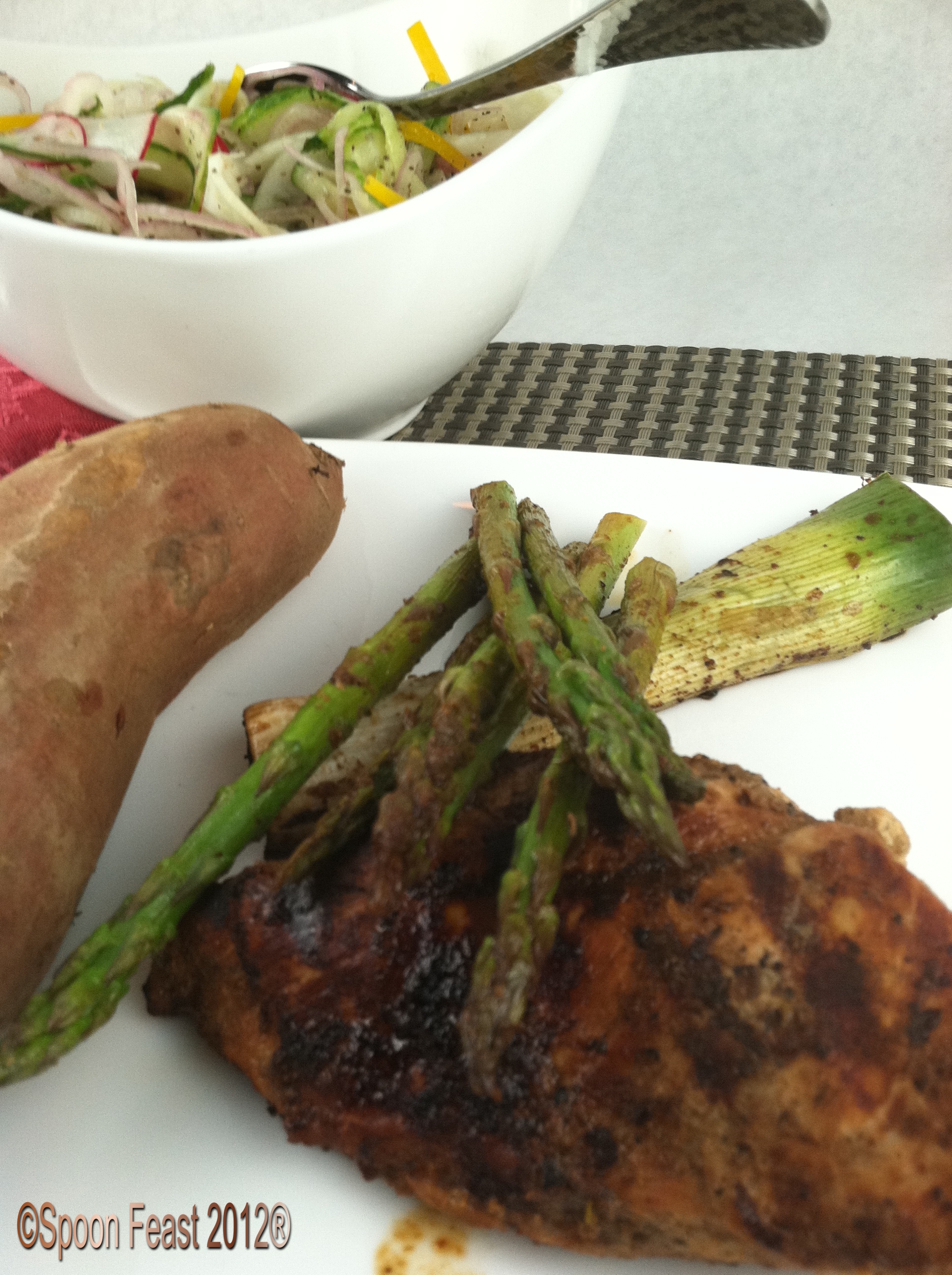
Serve hot over steamed brown rice; add a crisp, crunchy salad that includes cucumber to cool the mouth down!

The heat is coming from several sources: cayenne, cumin, and ginger, dry mustard, chili powder, and jalapeno.

Adjust any one of these to cool it down if it gets too hot for your taste. I just left out the jalapeno for us and served them on the side.

Hot and Spicy Chicken!

Hot and Spicy Chicken!


Quick and Tasty Summer Lunch

This quick and tasty summer lunch is fresh out of the garden.

Who can resist this?

Quick and Tasty Summer Lunch

Quick and Tasty Summer Lunch

The tomato is of an heirloom variety that has a purple top and green bottom that slowly turns red as it ripens. It is the sweetest tomato I have ever tasted! I have no idea what the name of it is so if you know, Please let me know in the comments!

The cucumber was cut from the vine just minutes before it was sliced for the plate.

On the way in the door, I stopped and pulled a scallion and a few basil leaves.

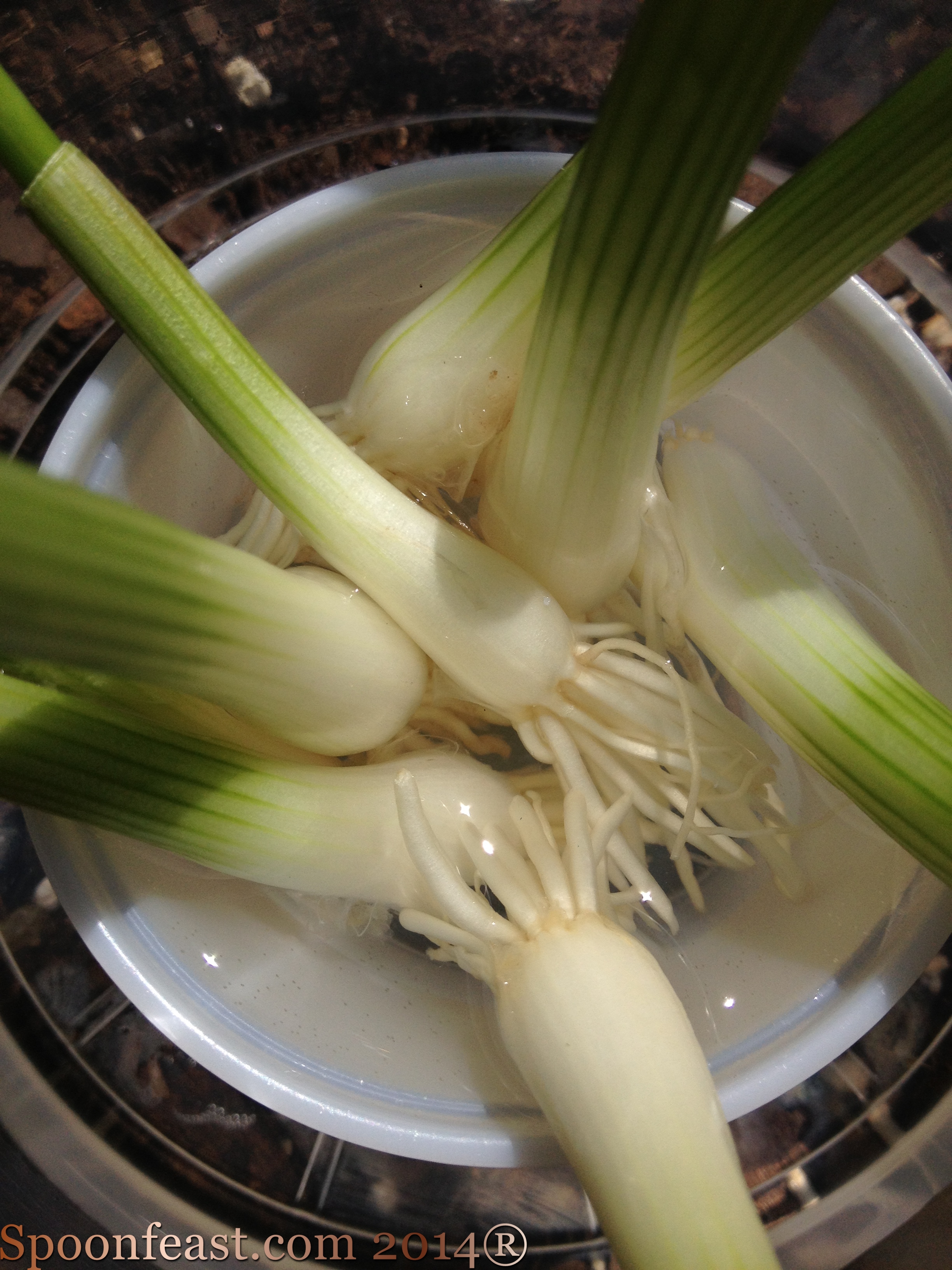
Freshly pulled scallions

Freshly pulled scallions

I added some pickled cauliflower for a fermented food aspect and whole grain flat bread crackers.

Fresh and Pickled cauliflower

Fresh and Pickled cauliflower


Add some cheese and nuts if you want some protein.

One Delicious Bite!

One Delicious Bite!

Related Articles:

Pickled Cauliflower

Appetizing Cheese Board

Make your own goat cheese at home

Farmers Market Visit

French Toast Stuffed with Goat Cheese and Slathered in Blueberry Sauce

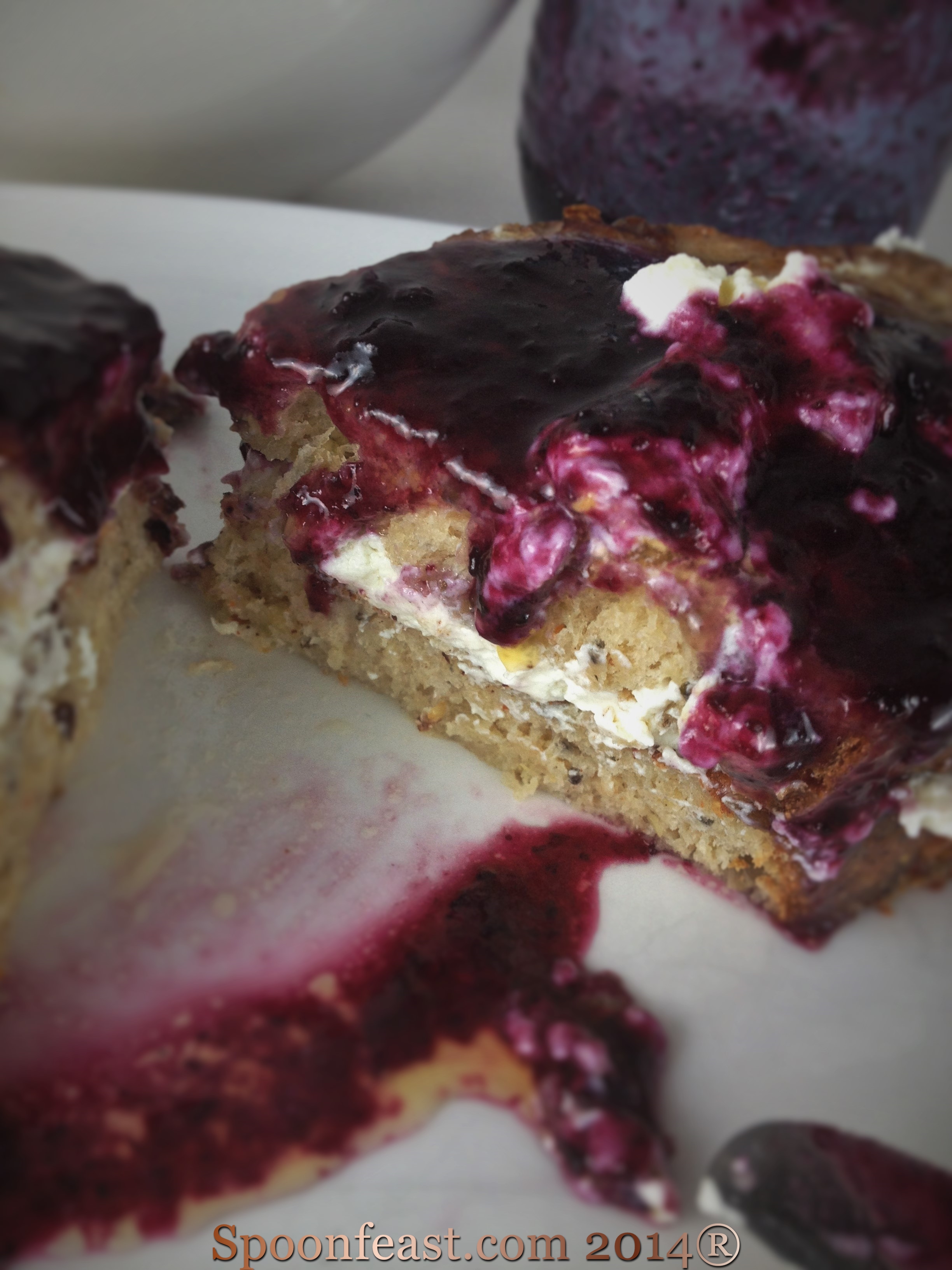
French Toast Stuffed with Goat Cheese and Slathered in Blueberry Sauce is delicious and nutritious although not diet food. This dish came to me while trying to use up some things to make room in the refrigerator.

French Toast Stuffed with Goat Cheese and Blueberry Syrup

French Toast Stuffed with Goat Cheese and Blueberry Syrup

I make 95% of the bread we eat and typically use lots of grains in the loaves. We buy organic eggs from the farmers market and the blueberry sauce is made from a batch of berries I bought to make a pie but never did. So instead of the berries going bad (I couldn’t believe no one ate them!) I made a sauce. The recipe is below and is very simple.

Goat Cheese Stuffed French Toast with Blueberry Sauce

  • Servings: 2-4
  • Difficulty: Easy
  • Print

  • 4-6 slices of good quality, nearly stale bread
  • 1 large egg
  • 1/4 cup unsweetened almond milk
  • 1 tablespoon vanilla
  • 1/2 teaspoon ground cinnamon
  • 1/4 teaspoon ground ginger
  • 1/4 teaspoon salt
  • Pinch of ground nutmeg (fresh ground is best!)
  • 1 tablespoon oil or just enough to coat the bottom of the pan
  • 1 ounce of fresh plain goat cheese for each serving

Mix all the ingredients, except the bread, in a flat pan. Place the sliced bread in the egg mixture, turning to coat. Let the bread sit in the mixture so it can soak it all up.

Heat a pan large enough to hold all the slices, place the soaked bread in the hot pan and cook until each side is golden brown.

Place the French Toast on a warm plate, immediately spread the goat cheese on one side of the bottom slice, top with another slice of hot French Toast.

Pour Blueberry Sauce all over and serve.

Now if you wanted, you could whip some honey and cinnamon into the goat cheese before spreading it onto the French Toast. It would put this dish completely over the top!French Toast stuffed with Goat Cheese

This is soooo good! And made with whole grains so you will feel full and had great energy all morning.

Like I said, not diet food, but whole, real food.

I hope you try this recipe and enjoy every bite.

French Toast stffed with Goat Cheese

Blueberry Sauce

  • Servings: Varies
  • Difficulty: Easy
  • Print

  • 1 pint of fresh or frozen blueberries
  • 1/2 cup organic sugar
  • 1/4 cup waterIMG_9355
  • Pinch of salt
  • Dash of cinnamon or zest from 1/2 lemon (Optional)

Wash and pick through the blueberries. Discard and soft, moldy or squished berries, leaves, stems and twigs. Combine everything into one pan and bring it to a boil. Simmer for about 10-15 minutes, until its thick. If you want the sauce smooth, put it in a blender or use an immersion blender to puree the sauce to the desired consistency. I like mine to have a few whole berries left in it. You can always choose to put some fresh berries with it when you serve it too.

This sauce is great on this decadent French Toast and over pancakes, ice cream and even over grilled salmon. Treat yourself and try that one!

Healthier Buffalo Chicken Wings

A healthier Buffalo Chicken Wing is totally possible. Avoid deep-frying and a butter loaded sauce and you can still have a Buffalo Wing that satisfies that craving.

Plate of wings The secret is to get rid of the fat by boiling the wings first, then broiling or grilling them to crispy perfection.

Don’t forget the celery and bleu cheese dressing either! You can make a lower fat version by using plain, non-fat Greek yogurt, a good quality crumbled bleu cheese, a dash of garlic powder and a splash of Worcestershire Sauce.blue cheese dressing

The “Buffalo Sauce” which is typically full of butter, can be made using a non-fat chicken stock, lemon juice and, of course, your favorite hot sauce. Being a North Carolinian, I use Texas Pete, a good North Carolina brand.Wing Sauce

Ready for the recipe?

Healthier Buffalo Chicken Wings

  • Servings: about 2
  • Difficulty: easy
  • Print

Wings!

1# Chicken Wings (I prefer Organic), flat pieces or drumettes

Place the wings in a large pot, cover with cold water. Place over high heat, bring to a boil. Add salt, garlic, herbs de Provence or whatever seasonings you like.

Once boiling, boil the wings for 10 minutes. Drain.

Pre-heat the broiler on high for 5 minutes.

Line a broiling pan with foil. Place the drained wings on the pan. Place under the broiler for 6 minutes. Watch carefully. Once browned, turn the wings over and broil again for another 6 minutes or until brown and crispy on both sides.

Toss the cooked wings in Buffalo Sauce.

Serve with Bleu Cheese Dressing and Celery Sticks.

For the Buffalo Sauce:

  • 1/2 cup Texas Pete Hot Sauce
  • 2 Tablespoons non-fat chicken stock
  • Juice from 1/2 lemon

Place the ingredients in a small sauce pot and warm. Toss the wings in some of the sauce; serve the remaining sauce on the side for dipping.Dip the wing!

IF you must have the Buffalo Sauce with the butter, consider using Kerry Gold Butter or another butter made from cows who actually graze on real grass, not some sort of “cow chow” product.

For the Bleu Cheese Dressing:

Crumble 1/4 cup good quality bleu cheese into 1 cup of plain non-fat Greek style yogurt. Adjust flavors with a splash of Worcestershire Sauce, garlic powder and a sprinkle of chopped parsley, if desired.

wings on a plate

Cashew Cream

Cashew Cream

Cashew Cream

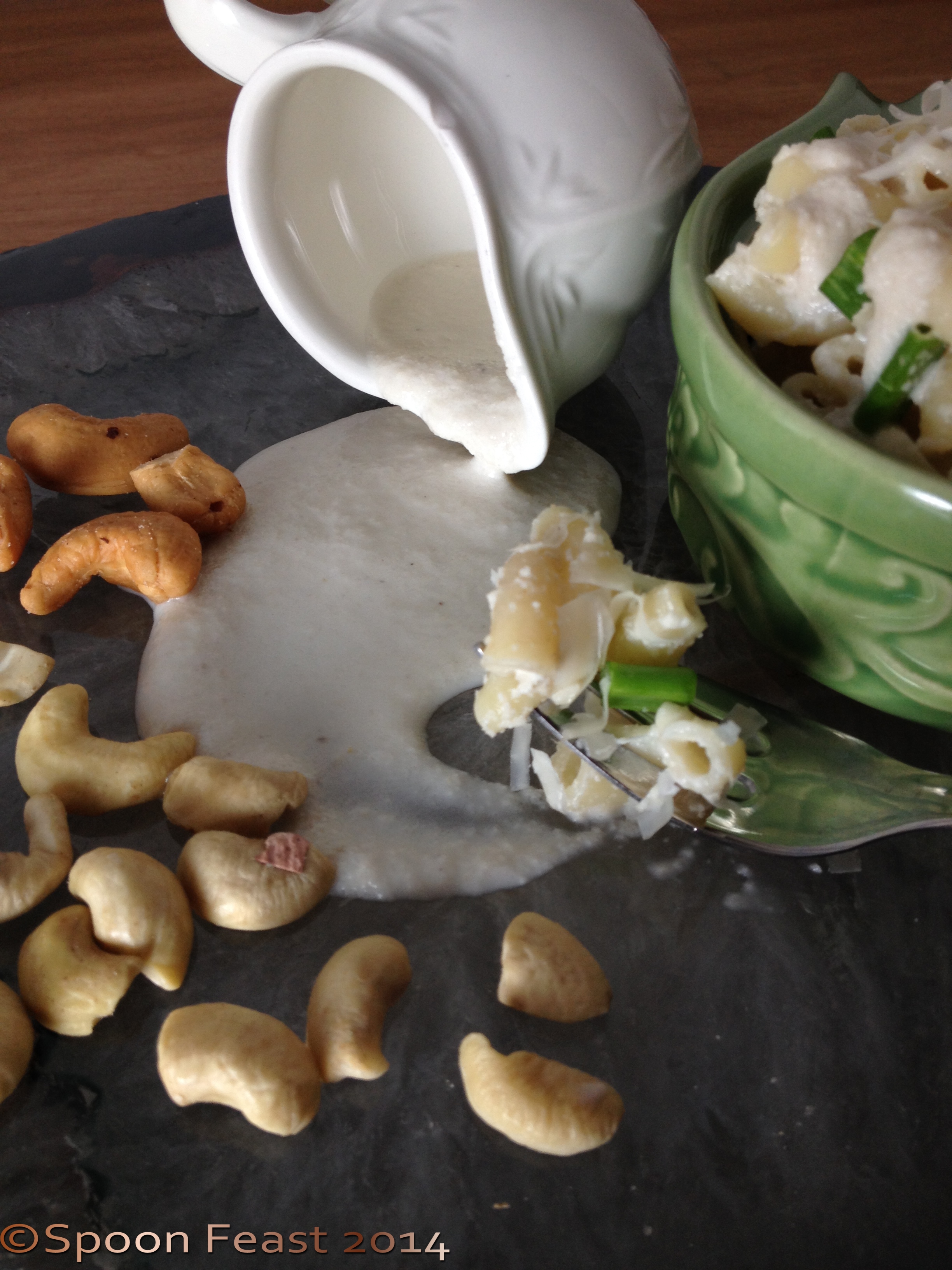
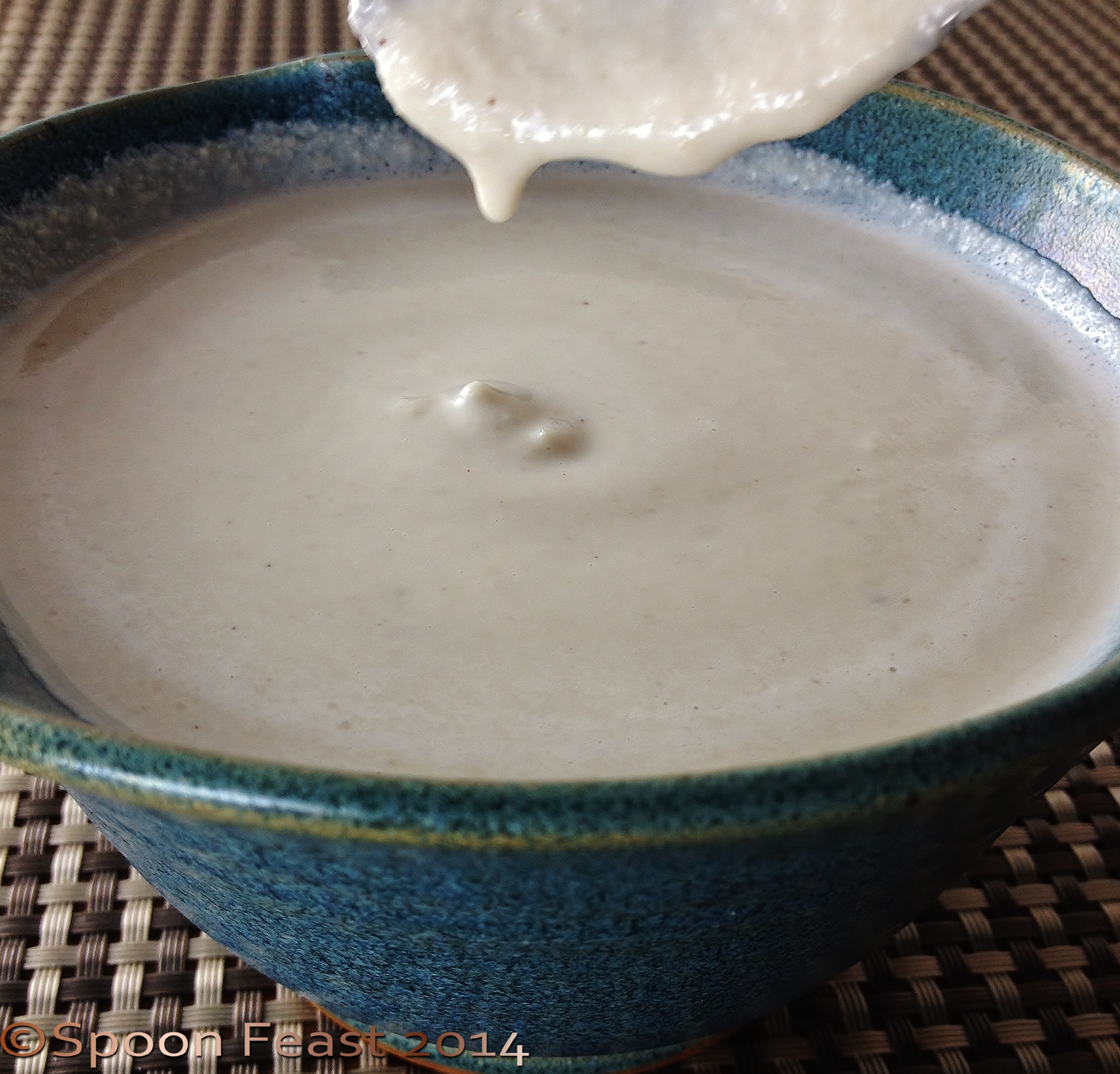
Cashew cream is easy to make, tasty and versatile. Use it to replace cream and sometimes ricotta cheese in many recipes.

The consistency can be controlled by the mount of water added when pureeing the soaked cashews.

Here’s how to do it:

Make Cashew Cream

Using raw cashews, not toasted or salted, soak the nuts over night in 2 times the water. (1 cup raw cashews to 2 cups water)

It is best to soak over night or for 3-8 hours.

Soak the cashews

Soak the cashews

Next drain the nuts, add them to a high-speed blender and process for 3-5 minutes or until the consistency is where you want it. Add clean fresh water to thin it out. If you want a ricotta consistency, use just a little water, for cream like, add a bit more.

A good high-powered blender is strongly suggested for this in order to really get the cream smooth. I used both a Vita Mix and a Ninja blender, both worked just fine. I have not tried making it in a food processor just yet.

Add water to get the desired consistency

Add water to get the desired consistency

Finish with a pinch of salt and a few drops or so of fresh lemon juice.

With the cashew cream, I made a cashew Mac and Cheese.

Take cooked pasta, toss it with cashew cream, a bit of shaved Parmesan and a few scallions and parsley. I filled a few small side dishes and warmed them in the oven and topped with fresh cheese shaving to serve.

If you wanted to keep this dish vegan, you can use vegan cheese, but to me vegan cheese isn’t “real” cheese, so I use just a touch of the real stuff.

Simple enough, huh?

Other suggestions to use Cashew Cream:

If using as a substitute for dairy cream on the stove, stay with it as it will thicken much faster than regular cream.

Make creamed corn or spinach, a creamy broccoli soup or use it thicker and add chipotle peppers to top tacos or other Mexican dishes, use it to top baked potatoes. It can even be whipped to make a cashew whipped cream.

And, if you have any left over, freeze it; or make ice cream!

It is so versatile and handy to have an alternative to real dairy cream.

Yummy! Cashew Cream!

Yummy! Cashew Cream!

My Cooking Culture

george-chochran-shoot-086.jpgMy Cooking Culture

We lived all over the world, moving about every 3 years to another place on the planet. From Morocco to Spain, Canada to Japan with a few of the United States in between.

My father is an avid gardener; we used to joke about having a corn field in our back yard no matter where we lived. Fresh snow peas were the gardeners treat. They got eaten in the garden and never quite made it to the table. I used to eat snow peas instead of potato chips. After school, I would head to the garden and sneak a few off the vines then help my dad after work with weeding and tying vines to eat more.october-15-2011-farmers-market-015.jpg

To this day, I love garden grown green beans and home-grown tomatoes seem to be better than anything you can buy at a store.

My mom is Canadian; grew up in Nova Scotia where they grew a lot of their food. She fed us with garden grown fresh foods, or frozen. She tried cans on us once and we rejected them as repulsive so she didn’t try that again.

In the foreign countries, mom always managed to hire a native cook to prepare meals for us a few days a week. My parents made sure no matter what country we lived in, we learned about the culture, food and language. When we lived in Japan, the family that lived behind us was the same size. The mom there and my mom made great friends with each other. On Wednesday night, they would each prepare a full meal for the family, put it on trays; walk out the back door and swap meals. They got a traditional American/Canadian meal and we got a traditional Japanese meal. I loved it! My dad, not so much.

Imagine, from my Dad’s point of view, the aroma of pan-fried pork chops, green beans and mashed potatoes with gravy wafting through the air. Ah, the smell of the roasting garlic whetting the appetite. The coming to the table and finding plates of various sushi, rice, miso soup and tofu with cucumber seaweed salads. Surprise!

We have always eaten a ton of fresh vegetables, local meats and foods. What is horribly frustrating is seeing the decline in the quality of our food supply. In addition to the decline in quality, there is also the fact that so many people really don’t know what they’re eating, or how to eat well or make good food choices.

This is where I want to make a difference!

My dad, who is 87, still grows a garden and has the best tomatoes in the world. He also makes a terrific gyoza, thanks to “Mamasan’s” recipe.
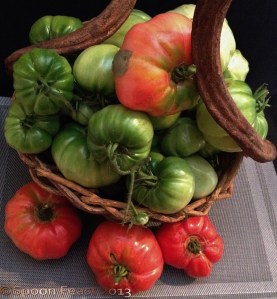
Final Harvest!

Final Harvest!

I am one of the lucky ones. My parents didn’t take us to McDonald’s. Even though as kids we begged for it. I remember looking at the McDonald’s signs and noticing how the numbers of how many hamburgers they sold kept increasing. (Yes, they kept count in the early days!) I wondered if I would ever be lucky enough to be part of that statistic. Then came the day when the signs changed to “millions served” now it might be “billions served”. Yes, I finally got one. They must have, among other things in this category, the worst bread on the planet.

My son used to say my meals were always the same: 1 starch, 1 or two vegetables (1 always green), and a protein with a sauce of some kind. I have to admit it is a type of formula.

Today my Typical Dinner Consists of:

1 Green vegetable (1 cup)

Leafy greens, broccoli, cabbages, peas, any variety of beans, snow peas, there are so many! If you’re not familiar, pick something you don’t know, ask about it, look up recipes on the internet and play with cooking it.
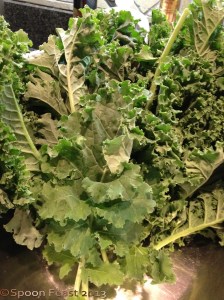
Fresh picked kale

Fresh picked kale

1 Vegetable of another color (1/2 cup)

Any veg that is not green, peppers, onions, cauliflower, squashes, this is to make the plate visually interesting and it also adds a punch of nutrition!

Corn Crusted Grouper

Corn Crusted Grouper

Grain or starch of some kind (1/2 to 1 cup)

Whole grains like brown rice, exotic rice, lentils, beans, potatoes, sweet potatoes, barley, millet, mung beans, quinoa, farro, cous cous. I love how much the level of choice in this category has grown. There is so much more than just rice and potatoes.

1 High quality protein – not always animal based (4-6 ounces)

Guidelines for animal proteins:
  • No beef
  • No pork (but I love bacon! ) 😉
  • No farm raised fish except catfish or trout
    • No Tuna, Sea Bass or Redfish

Note: we no longer eat any fish from the Pacific ocean.

  • Organic poultry
  • Organic eggs
  • Organic Dairy

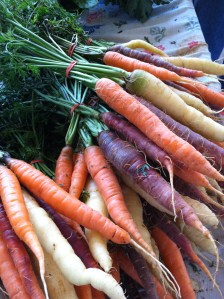
    Multi colored Carrots (I bought these!)

    Multi colored Carrots (I bought these!)

1 Sauce (1-2 ounces)

Can be made from de-glazing the pan or reserved cooking liquids or stock or vinaigrette. This provides a bit of moisture and can add another dimension of flavor. I avoid using fat and flour thickeners and cornstarch. Instead I thicken by reduction (enhances flavor), adding mustard or miso which also contribute to flavor.

1 Side dish of raw vegetable salad (1/4 -1/2 cup)

This can be a green salad, carrot salad, cucumber, onion, Caesar, or lightly blanched vegetable and may contain a fermented/ pickled vegetable like pickled beets, cauliflower or onions. A homemade vinaigrette dressing, sometimes lemon juice and olive oil and cracked black pepper.
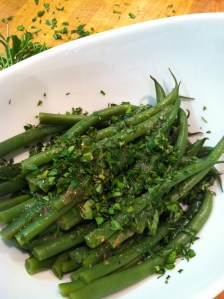
Anaida's Beans

Anaida’s Beans

This side does not need to be a big portion. 1/4 to 1/2 cup is a typical serving.  It can be used as a palate cleanser between tastes on the main plate.

Lunches:

Sandwiches with a chip and pickle of some kind. I’m working on improving the chip option but I really am fond of a handful of chips with a sandwich. I’m trying nori chips and kale chips. . . I may still go back to potato once in a while.

Light bits of left over dinner

Soup with good bread (I’ve made the bread we eat in the house for the past 10+ years)

Noodle stir fry
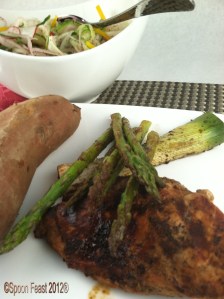
Grill pan dinner“Ploughman’s lunches” using what we have on hand

Vegetable Sushi

Breakfast:

On our own for breakfast. Most of the time I’ll grab something with protein.

This meal is usually quick , easy and light. Unless it’s oatmeal.

What we always have on hand:

Buy Organic whenever possible

Chicken stock, 1/2 & 1/2 for morning beverages and sometimes chai, fat-free milk, fresh greens, eggs, fruit, tetra-pac tomatoes, variety of beans, canned and dried, various rice and grains, legumes and potatoes. We will keep a stock of chicken and sometimes fish in the freezer for meals during the week.

I shop whenever we need fresh vegetables; I try to use fresh vegetables over frozen.

I leave processed foods on the shelf and process my own condiments, pickles and breads.

That’s it! My cooking culture, in a nutshell. A bit of many cultures rolled into a multitude of meals.

I believe everyone should be able to make healthy food choices and healthy food should be affordable and available to all.

Strawberry Rhubarb Oatmeal Hemp Seed Crisp

Strawberry Rhubarb Oatmeal Hemp Seed Crisp

Organic VS. Conventionally Grown Vegetables

Vegetables ready to pickle!It can be confusing to shop for vegetables these days trying to figure out whether to buy organic vs. conventionally grown produce.

Some say if it has a thick peel organic doesn’t matter, but sometimes it does.

Here’s a couple of lists: One of foods you should always buy organic and the other a list of produce that is alright to buy conventionally grown items.

Always Buy Organic:

Why? These foods have been found to have high levels of pesticide contamination.

Always wash all fruits and vegetables just before cooking and preparing.

Fruit:

  • Apples
  • Grapes
  • Imported Nectarines
  • Peaches
  • Strawberries

Vegetables:

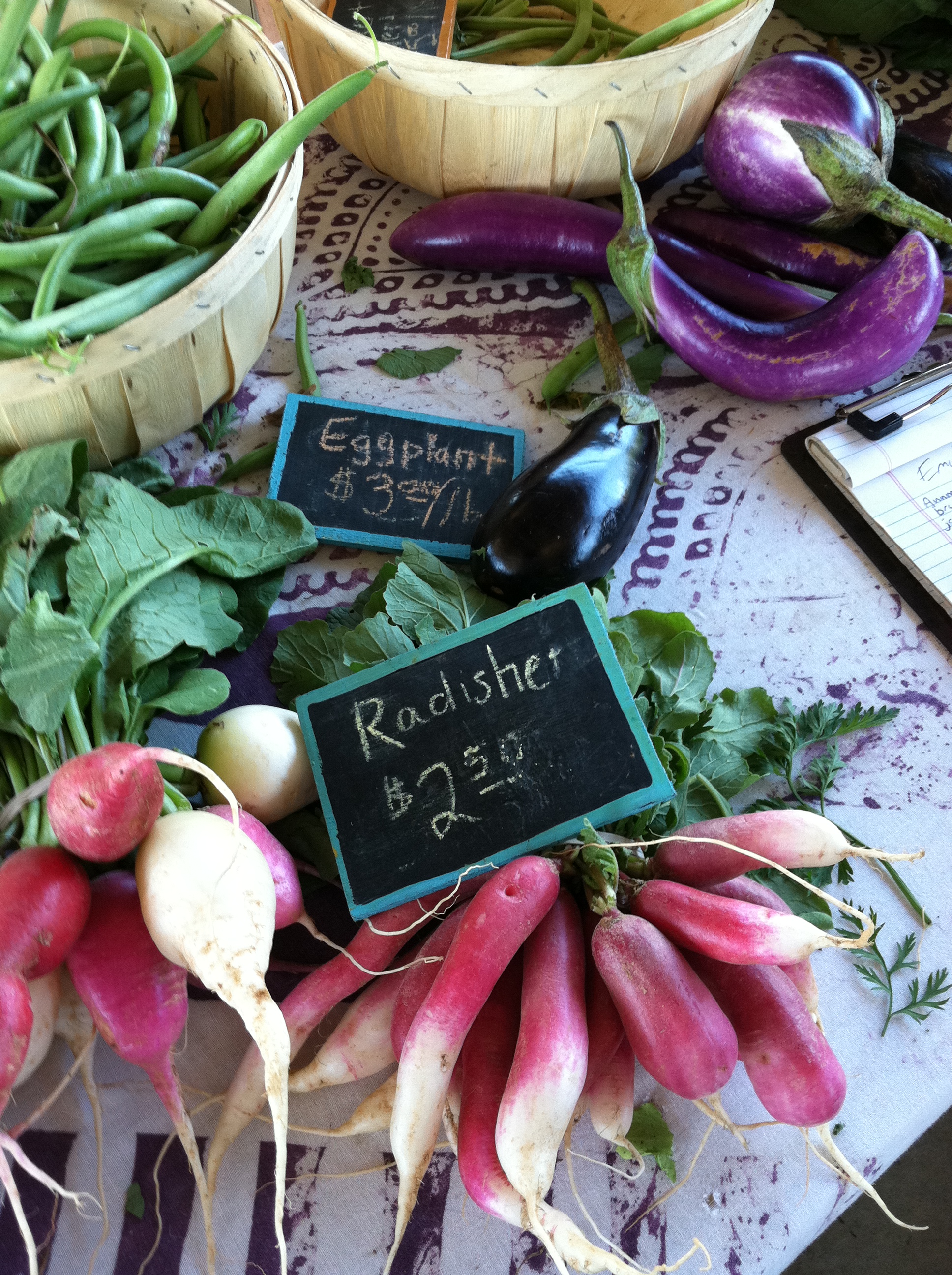
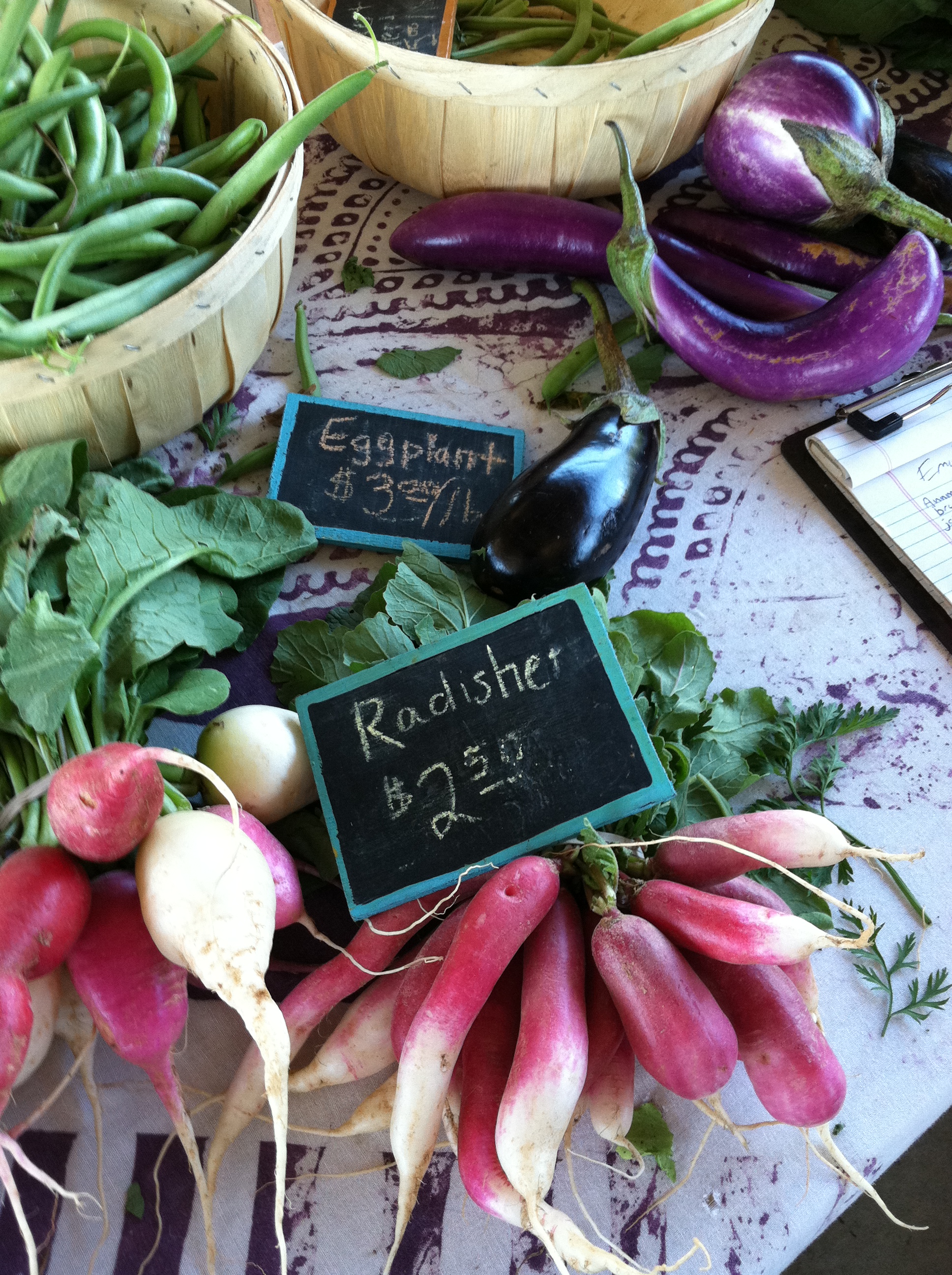
 farmers market radishes

  • Broccoli
  • Cauliflower
  • Celery
  • Cherry and Grape Tomatoes
  • Corn – to avoid GMO
  • Cucumbers
  • Collard greens
  • Hot peppers
  • Kale
  • Potatoes
  • Spinach
  • Summer Squash
  • Sweet Bell Peppers

OK To Buy Conventionally Grown:

Why? These crops are safely grown with the low usage of pesticide resulting in lower pesticide residue on your fruits and vegetables.

Always wash well before preparing.

Fruits:

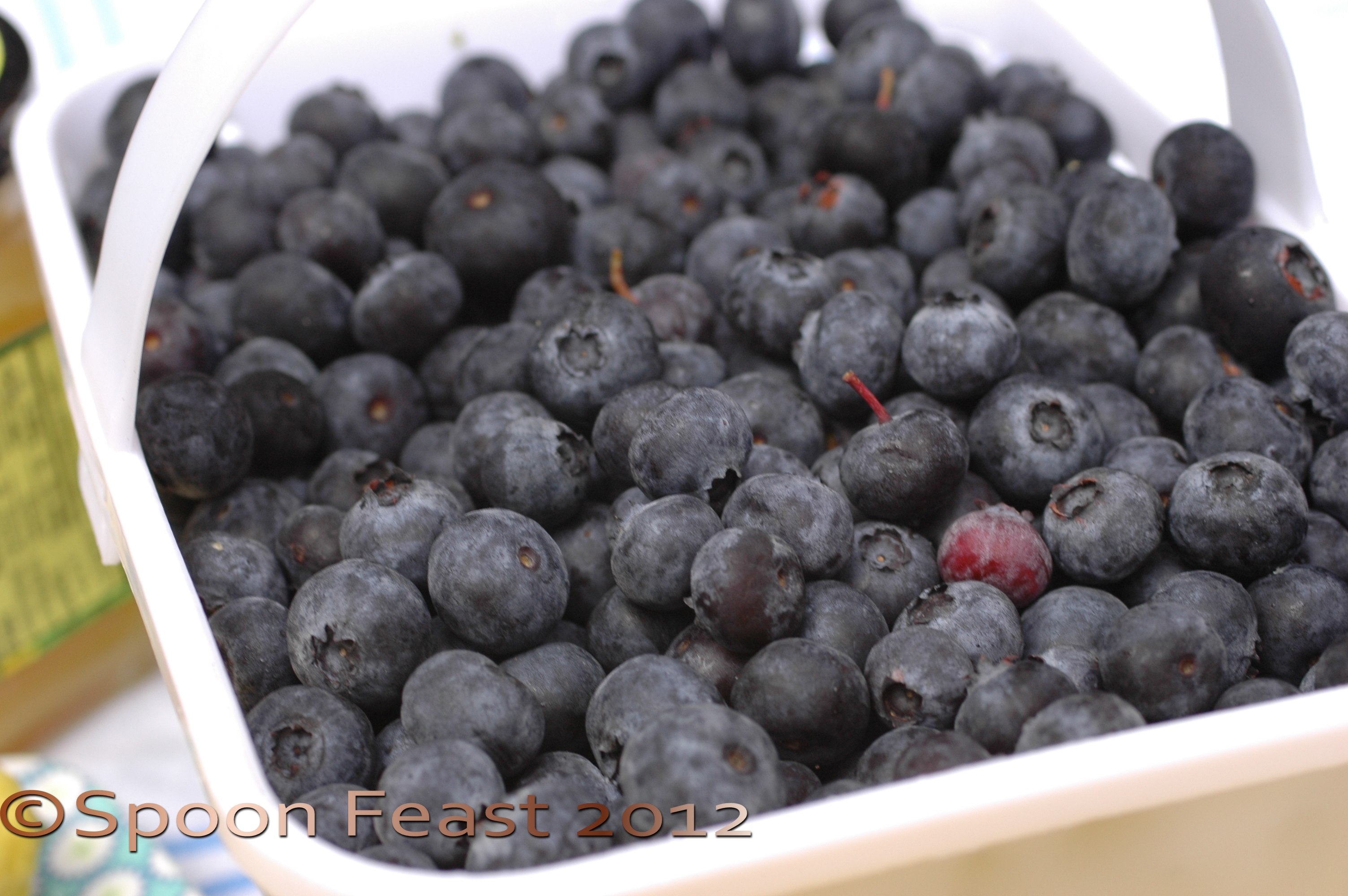
Fresh Blueberries

  • Cantaloupe
  • Grapefruit
  • Kiwi
  • Mangoes
  • Papayas – Check it for GMO
  • Pineapples

Vegetables:

  • Asparagus
  • Avocados
  • Cabbage, all varieties
  • Eggplant
  • Mushrooms
  • Onions
  • Sweet Potatoes

This list features the most pesticide contaminated foods which are advised to purchase organically whenever possible. The conventionally grown foods on the list are the ones grown with the least amount of pesticide contamination.

if it’s not on the list, you’ll have to do some research and decide for yourself whether to buy organic or conventionally grown.

Most produce in the USA will come with a PLU number on it. It is not required by the government but the PLU system was designed to streamline things for processors and pricing, not consumers.

Here are a few basic guidelines for selecting fruit and vegetables using PLU codes.

Conventionally grown produce will bear a 4-digit number in the 3,000-4,000 range

Organic produce will bear a 5-digit number starting with 9

Supposedly GMO produce bears a 5-digit number starting with 8, but you don’t see it  because they really don’t use those PLU codes to identify GMO grown foods. Why don’t they use the 8-digit code? Growers are afraid consumers won’t buy if it bears a code starting with an 8, so they choose to leave the code off the product. Use of the PLU code is optional, not required.

So the best thing to do is not totally depend upon PLU codes but know who grows your food and know where it comes from.


I hope this helps all of us eat better this next year!

In My Kitchen October 2013

Last week we were swimming at the lake, today we are wearing light sweaters and sipping hot tea.

Ahh! Welcome Autumn!

After canning my rear end off last month, its nice to look at something other than mason jars and canning pots. I’m quite sure we will enjoy these things come cooler months.

I got to pull some of my china and other “stuff” out of storage and put into use this lovely oil dispenser. Pottery Oil Can

I really like this one. It was hand-made by an artist in Boca Raton, FL. I adore using well made pottery.

Pumpkins and squash fill my counters. Ready to eat this season.

These various squash found their way into my basket while shopping this weekend.

These various squash found their way into my basket while shopping this weekend.

I love roasting squash and serving it with butter, salt and fresh pepper. Yum.

Yesterday I made Butternut Squash Soup for lunch with Grilled Cheese and Tomato Sandwiches pressed on the Panini press.

We have a lovely pumpkin and fall squash display on the front step.

Stacked Pumpkins on the step

Stacked Pumpkins on the step

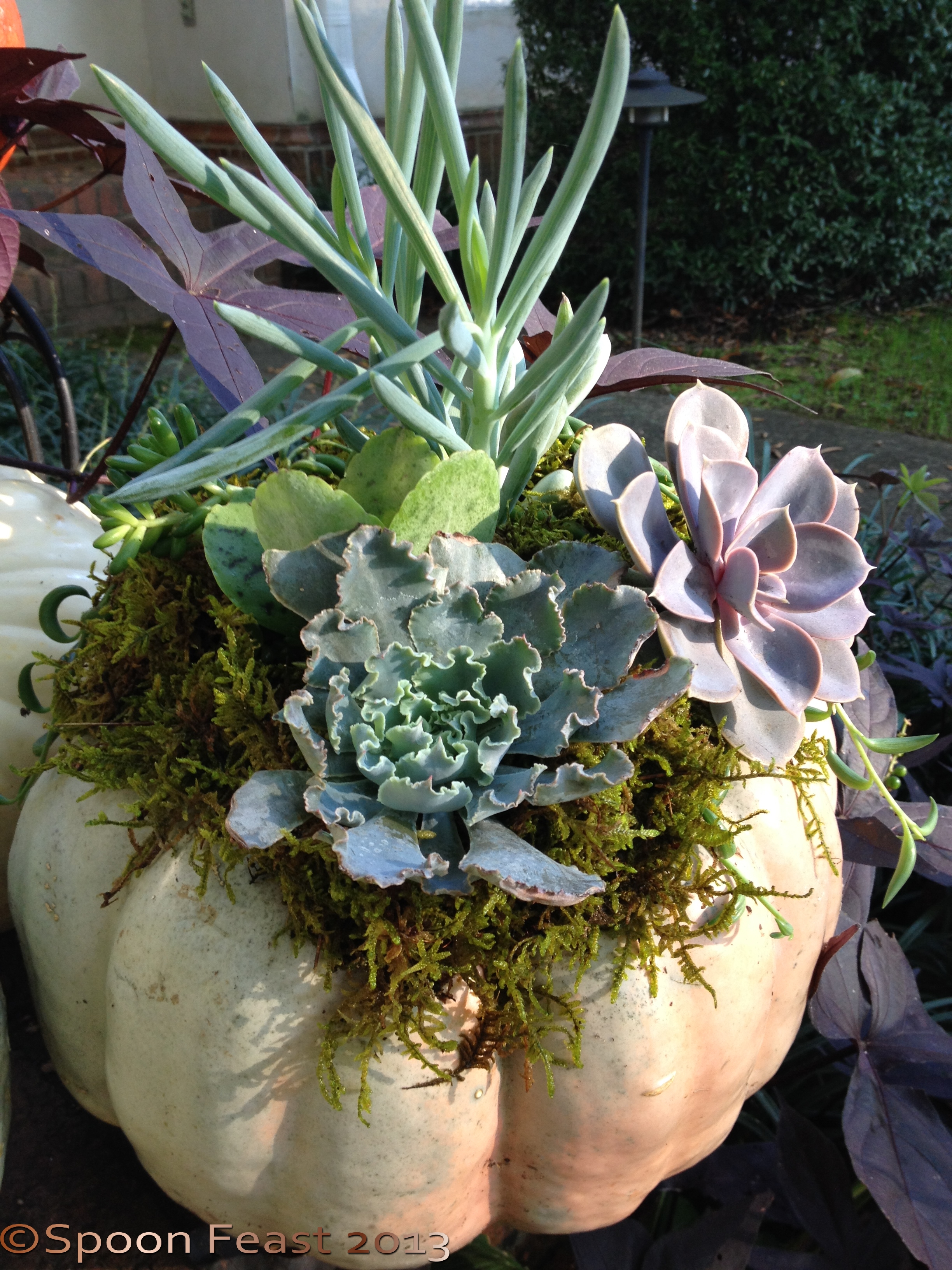
I topped one with moss and succulents for accent;

Pumpkin with Moss and Succulents

Pumpkin with Moss and Succulents

we are progressively eating our way through the rest!

While this October edition of In My Kitchen was due a good while back, I’ve been quite busy working on a few things.

For one, I studied my butt off to take the certifying exam for “Certified Dietary Manager” or CDM. I’ve been cramming medical nutritional therapies and medical codes into my head and now that I’ve passed the exam I have more free time to blog.

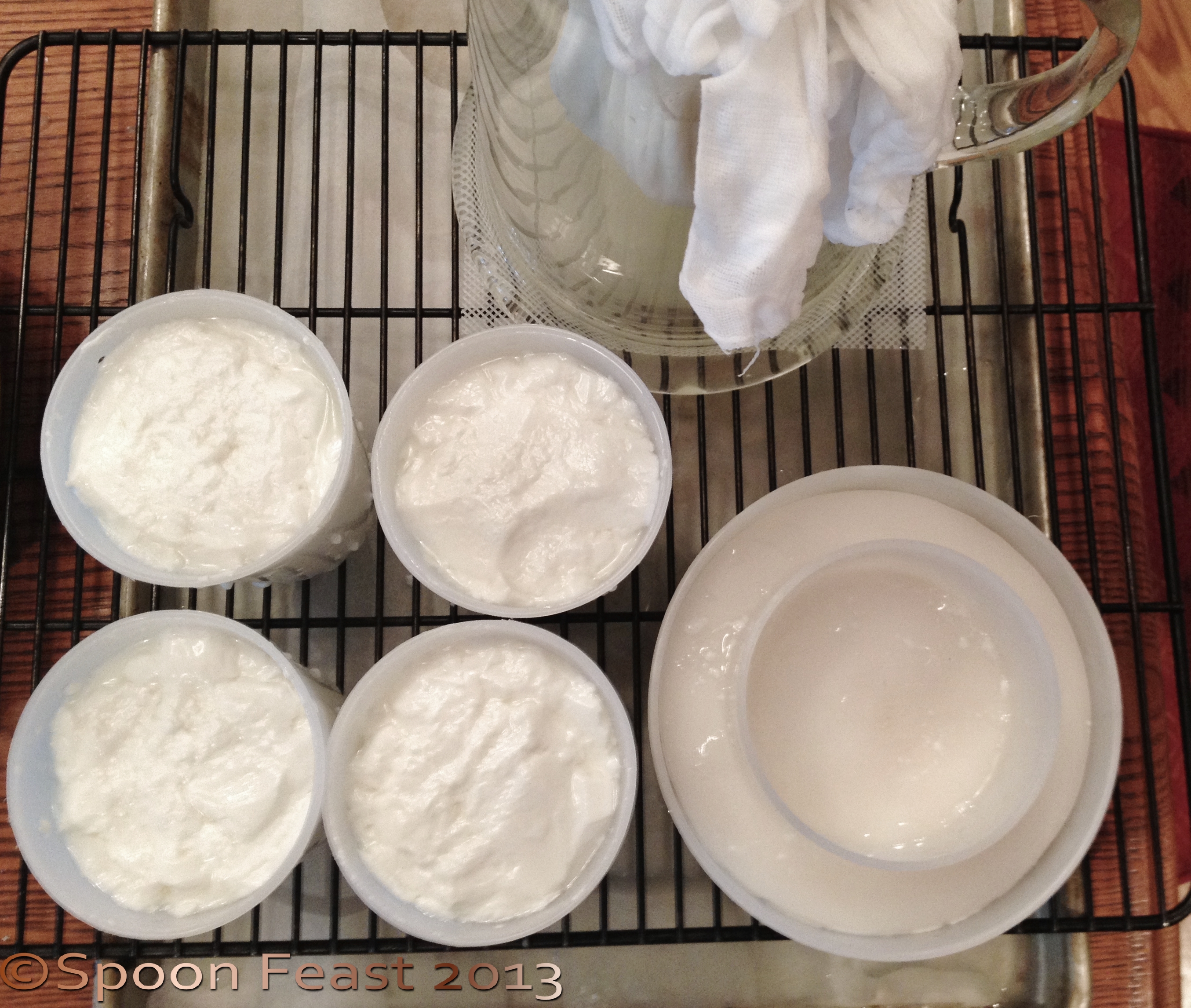
In My Kitchen now are 6 molds of goat cheese draining,

Goat Cheese Draining

Goat Cheese Draining

2 bread loaves rising, lobster tails, stone crab claws and Mimosa’s for lunch because today is my birthday!

And it’s time to start working on November’s In My Kitchen! Celia of Fig Jam and Lime Cordial, Hosts this wonderful gathering each month. Visit and join in!

Stuffed Mini Pumpkins

Pile of Pumpkins!Autumn is one of the great seasons; watching the color of the leaves turn, the brisk crisp coolness in the air and the emergence of pumpkins and squash in the market.

These various squash found their way into my basket while shopping this weekend.

These various squash found their way into my basket while shopping this weekend.

Today I saw these mini pumpkins and some white pie pumpkins, so I filled my basket.

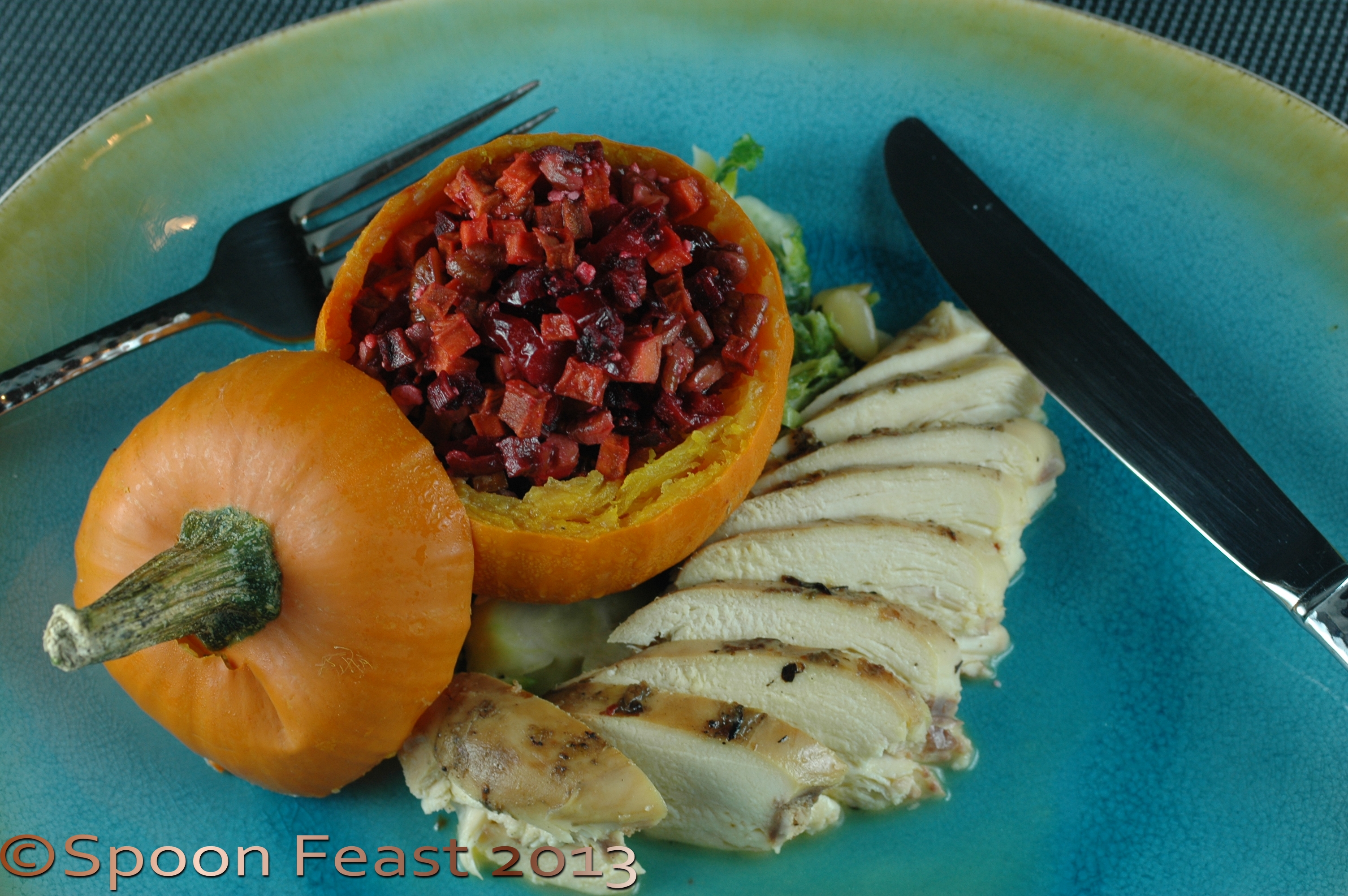
This stuffed mini pumpkin makes a great little side dish. The best part is you can fill it with a variety of things, from soup to salad or use it to hold grains or a mix of things like I did here.

When using a variety of things inside the pumpkin, remember to cut them small so you can get a bit of everything in one bite.

I think these would make a really pretty side dish on  Thanksgiving table or buffet.

To present them on a platter, think ‘patch patch’ and decorate around the pumpkins with salad greens or Brussels sprouts.

Serve stuffed mini pumpkins on a platter, think "Pumpkin Patch"

Serve stuffed mini pumpkins on a platter, think “Pumpkin Patch”

To prepare the pumpkins, cut the tops off using a sharp knife. Then gently scoop out the insides and discard.

Season the pumpkins inside with salt and pepper and a small bit of fresh butter.

Steam the pumpkins until the inside flesh is tender. Test by using a fork or tip of a paring knife.

Do not poke through the shell to test doneness, that would cause the pumpkin to leak any liquids you put inside.

Once the flesh is done, place the pumpkins upside down on a clean towel and allow them to drain for a few minutes.

Carefully fill each pumpkin with the filling. If serving warm, cover each pumpkin with tin foil and put it in an oven set at 400°F for 30 minutes or until the contents are warm.
If serving the pumpkins cool or at room temperature, chill before filling.

The filling used for these pumpkins is a filling that reflects the changes of the season. Stuffed Pumpkin

Pumpkins Stuffed Roasted Beet, Sweet Potato, Dried Cranberries with Toasted Pecans and Feta Cheese

  • 1 medium-sized beet, roasted, cut into very small cubes
  • 1 medium sweet potato, roasted, cut into very small cubes
  • 1/4 cup toasted pecan pieces
  • 1/4 cup finely chopped dried cranberries
  • 2 tablespoons crumbled feta cheese

Keeping the vegetables separate as you cut them, roast them for about 10 minutes in a 350°F oven or until each cube is done through.

Chop the toasted nuts and dried cranberries then combine them in a bowl, add the beets and potatoes as they finish roasting. Mix together and sprinkle in the feta cheese. Adjust seasonings with salt and pepper. A touch in cinnamon or ginger is a very nice addition and fragrant too.

Either cool the mixture to serve cold or warm the mixture then stuff the pumpkins. Cover with the pumpkin “lid”, wrap in foil and warm in the oven.

Use spatulas to lift the cooked pumpkins because the skin gets delicate and tears easily.

Honey Peppercorn Vinaigrette

Honey Peppercorn Vinaigrette

  • 1/2 cup white balsamic vinegar or white wine vinegar
  • 1 tablespoon honey
  • 1 tablespoon ground mixed peppercorns, use pink, white, dried green, black and Szechuan peppercorns for maximum interest
  • 1 clove garlic, minced
  • 1/2 Tablespoon shallot, minced
  • 1 teaspoon kosher salt
  • 1 cup good quality vegetable oil

Combine all ingredients except the oil in a large bowl, whisk together. Add the oil and whisk to combine. Adjust seasonings, stir or shake just before serving.

Top the stuffed pumpkins with a bit of Honey Peppercorn Vinaigrette just before serving and add a bit to the stuffing for added moisture.

I hope you try making these stuffed mini pumpkins this season. Personally I love squashes of all kinds and look forward to  this time of year.

Happy Fall!

Plated stuffed mini pumpkin

10 Tips Addressing “Meanwhile” in Cooking

“Then, too, I had trouble with cookbooks. As I studied the recipes, I discovered the fateful word meanwhile.

I was supposed to separate eggs, then beat them, meanwhile stirring constantly. I was to melt butter, blend in the flour and gradually add milk. Meanwhile dicing or peeling something, and not forgetting to test the cake in the oven with a clean broom-straw. Meanwhile I was theoretically tossing the salad.

The most important lesson I learned was not to get in a panic when I saw meanwhile staring at me.”

What Cooks at Stillmeadow, by Gladys Tuber

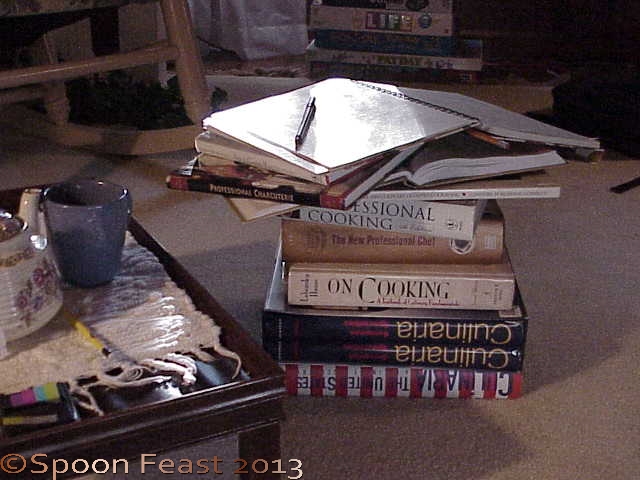
Stack of cookbooks

Stack of cookbooks

How true it is!

Planning and organizing a cooking session is crucial to everything coming out on time and getting everything made.

Whether it is everyday dinner or a special event, forming a few good habits will make cooking so much easier, faster and more organized.

Here are a few tips:

1. Print your recipe or write in your book; keep a notebook handy.

Make notes of what you liked, didn’t like, what you changed or substituted. I write all over my books, all the time.  If you don’t write in your books, have a notebook handy to make notes about timing, recipes, ingredients etc.writing in cookbooks 003

You’ll need that notebook anyway to make notes about shopping lists, what you have on hand, and creating your game plan or plan of action.

Cheese Soup Recipe

Cheese Soup Recipe (Photo credit: Wikipedia)

2. Read your recipe/recipes. Understand what they are asking you to do.

Read the recipe before hand. When something is boiling away on the stove is not the time to realize you were only supposed to add half of something first and the other half later. There are many recipes that list the total measurement but use it in different amounts throughout the recipe.

For example, 3/4 cup sugar is listed in the cookie recipe but the method says to cream only 1/2 cup sugar, reserving the remaining 1/4 cup for rolling the dough balls in before baking. BIG difference if you add all the sugar with the creaming. Your resulting cookies would spread and not be very nice looking.

3. Gather all the ingredients before you start cooking.

Separate according to recipes if making several things at once, as you typically do for dinner.

Backzutaten zu Pfannkuchen (Crepe), Kochbuch

Backzutaten zu Pfannkuchen (Crepe), Kochbuch (Photo credit: Wikipedia)

Keep all proteins separate and cold for food safety. Be aware of cross contamination. Follow good food storage habits, this post gives you some guidelines for food safety in the home.

The 9 Golden Rules of Food Safety

The 9 Golden Rules of Food Safety (Photo credit: Czarina Alegre)

4. Make note of all the tools and utensils and ingredients you will need.

Make a note of any tools you don’t have. Put those on your wish list somewhere. Cooking is such fun when you can play with all the nifty toys. I love Micro-planes and colorful silicone spatulas and, to Robert’s dismay, I pick up dish towels nearly everywhere I go.

Of course there are the “good” dish towels and there are those you can use to wipe the floor or stove down with. Heavens, you wouldn’t use a “good” towel for that would you?! Gasp!

Note any ingredients you need, are running low on or how much you have. This way, on your next grocery run, you can replace anything that gets used up.

5. Read all you recipes side by side to determine how long each recipe takes to make.

Recipes

Recipes (Photo credit: pirate johnny)

Make notes of cooking times, what takes the longest? Remember to include warm up times. Like pre-heat the oven, boil the water for pasta which can take 15 minutes or so depending upon where you live and how cold your water is to start.

Start with the item that takes the longest to prepare and the longest to cook. Prepare your prep list starting with the longest timed item, to the least amount of time.

Keep in mind some processes may take some time such as peeling and seeding 10 pounds of tomatoes. See if you can evaluate your skills for an accurate timing estimate for your game plan.

6. If you’re not sure of How to do something, look it up on You Tube.

Want to make hollandaise? French Macarons? Fresh butter? Not quite sure how to cut Julienne carrots? How do I feed sourdough?

There are videos that show you how. Look them up and watch! Then practice. Some of these videos are like having a private tutor. Some are downright awful. But this is a good way to see how something is done rather than waiting to take a class.

7. Write down your game plan and follow it.

“Plan you work; work your plan” is what I tell students in class when they have multiple tasks to accomplish within a tight time frame.

writing in cookbooks 008

writing in cookbooks 013

8. Keep a list of the fresh food in your kitchen so it gets used on a timely basis.

I hate throwing food out that has gone bad from not being used. Now I keep lists of what is in the fridge, freezer, and pantry shelves.

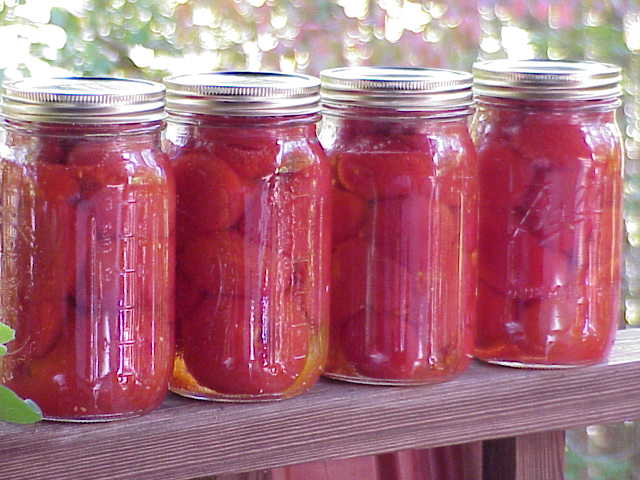
Canned tomatoesI put up a lot of things like tomatoes, ketchup, mustard, pickles, jams, salsa and chutney for fall, winter and spring use. Keeps me busy in the summer, but at least the freshness of the season is captured and I know what is in the processed foods we eat. I try my hardest not to buy processed foods anymore.

I use an excel spread sheet to manage the flow of the canned goods. This way, when they are gone and next year rolls around, I can see what we used up first and how much we used. It helps to plan the next years production. I’m quite geeky like that.

9. Use Timers!

Like measuring cups, you can’t have too many. Time things to help keep you on track and to remind you so nothing gets burned. There are so many fun kitchen timers out there, but your smart phone has a timer too.

English: An electronic egg timer to time eggs ...

English: An electronic egg timer to time eggs for soft, medium and hard cooking. The timer plays a short tune at each stage of the cooking. (Photo credit: Wikipedia)

I’ve got this retro one from France that has two timers on it so I can keep track of the bread in the oven and the rice simmering on the stove.

There are even ones that play tunes like the egg timer in the photo.

Timers are a great way to add some whimsy to your kitchen. I love whimsy!

10. Enlist help and have fun!

Get people involved, if they are eating at the table, they should be willing to give a helping hand somewhere. Setting the table, lighting candles, cutting flowers, choosing music, tossing a salad, bringing dishes to the table, pouring refreshing beverages, there are many tasks people can help with. All you need to do is ask.

I’ve asked Robert to help making salads while I handle the rest of the meal. Turns out he makes GREAT salads! I enjoy having him in the kitchen. Not quite sure how much he enjoys it, but judging from his salads, he does.

Kids will eat more if they have a had in helping prepare the food. Cleaning up without fuss? Not so much.

SO there you have a few of my tips for becoming more organized in the kitchen and how to address the meanwhile without panic.

Cooking is fun!

What tips do you have for organizing your cooking and kitchen?

What issues do you have while cooking; what is your greatest challenge?