Writing in Cookbooks

Not too long ago, another bloggerThe Ranting Chef, wrote about writing in his cookbooks. He said he didn’t write in books until recently. He came up with a great way of categorizing their favorite recipes and those recipes with the highest ratings were listed in the front of the book by a ranking system he devised.

Writing in cookbooks is a wonderful thing to do. I make notes of variations, adjustments, likes and dislikes. What works and what does not work is also clearly noted.

The only cookbooks I don’t write in are those that I consider “art” cookbooks. Even then, if I make an adjustment of note, I’ll print it along side of the appropriate text.

There is a spiral bound notebook I keep nearby in the kitchen to collect thoughts, ideas and original recipes. I keep post-it tabs on pages I want to find again and again.

My cookbooks are my tools as are my knives and micro-planes. They do you no good if you don’t use them.

Cookbooks are meant to tease you into making something you haven’t tried before. To learn a different technique, style or how to handle a new ingredient. Valuable lessons.

Not all recipes work. When first looking at a recipe, I’ll scan it for technique, style and ingredients and ingredient ratio. After all a recipe is only a mathematical ratio of ingredients with the factor of heat applied.

Many recipe writers don’t understand the complex relationship of ingredients. Considering an ingredients function: liquid, acid, fat, sweeteners etc. and how they interact, and how the ingredients relate to each is crucial for a recipe to work out. I have a text-book that has so many typos in it (shame, shame!) I am not going to use it anymore.

When we discover a recipe in class that isn’t working, we make notes about it directly in the book. Some students look at me as if I just sprouted another head when I tell them to note it “in the book”. The book is a tool and unless you use it, it won’t do you much good.

Leaning on a book  too much instead of learning the essence of the dish, a book becomes a crutch without deeper learning. Learn to scan and analyze what your recipe is trying to tell you. Notice ratio relationships, techniques and methods. Notice ingredient combinations.

Soon you will develop your own recipes and menus from looking at what you have on hand rather than depending on a book to help you decide what to cook.

Learn cooking correctly, you will use a recipe as an idea rather than follow it word for word. If you learn the five basic “Mother Sauces” you will be able to recognize the methods and techniques and be able to say to yourself ” Oh, I know how to do that, it’s a bechamel” and be able to use that as a jumping off point rather than following the recipe exactly.

Most of all, remember not all recipes work.

So, Ranting Chef, I applaud your recipe rating system.

Keep writing and making notes in those books. You won’t need to remember the recipe needs 32 ounces, not 3.

Cookbook Shelf

Cookbook Shelf (Photo credit: LollyKnit)

Thai Style “Green Sauce”

We went to “Thai Taste” for lunch the other day. On the table were several bottles of different sauces. One soy, a hot fiery red sauce and this green sauce. It was simply delicious.

We bought a pint of it to bring home, not only to enjoy over several meals, but to figure out just what is in this Thai Style Green Sauce so I could make it.

Spooning the sauce over rice gave a clear distinctive flavor of all the ingredients. The woman at the restaurant looked quite nervous when I asked her what was in the sauce. “Just jalapeno and vinegar” she said.

Right, I thought, she doesn’t want to revel her recipe.

Something that really bothers me about some cooks is how they “hoard’ their recipes, keeping them secret as if they were some precious commodity. Taking a well-loved recipe to the grave is shameful and is not viewed in a good light, in my eyes anyway.

What is the purpose of keeping recipes for well-loved dishes secret? Is it a control issue? A fear issue? I knew someone once who said they are glad to share recipes but they always leave a key ingredient out.

Why? So that someone else wouldn’t make the dish as good as they can.

That is ridiculous.

So what if someone makes the green sauce at home? I will still come eat at your restaurant. I’m not coming for your green sauce, I am coming for the other things you offer on the menu.

So here is my recipe for Thai Style Green Sauce.

Make it and share. Tell the entire world how to make it, everyone should know.

Thai Style Green Sauce

There are no quantities here, just ingredients. Make a small amount, use it and make more.

Ingredients:

  • 1/2 bunch Cilantro, washed
  • 1 green jalapeno pepper, remove ribs and seeds for milder heat, use 2 or more for hotter sauce
  • 2 scallions
  • small handful of both garlic and onion chives
  • 1 clove fresh garlic
  • 1″ piece of fresh ginger, sliced thin so it blends well
  • seasoned rice wine vinegar
  • fish sauce like Nam Pla

Place all the herbs, garlic and ginger into a blender. Add enough rice wine vinegar to cover. Add a generous splash of fish sauce and blend for 2-3 minutes to get it all blended together.

Taste and adjust flavors by adding more fish sauce or more vinegar.

I served this on cedar planked salmon for dinner.

Use the sauce on noodles, over rice, on grilled meats and seafood. It is very versatile and has many uses.

How do you use Thai Style Green sauce?

Potato Chip Cookies

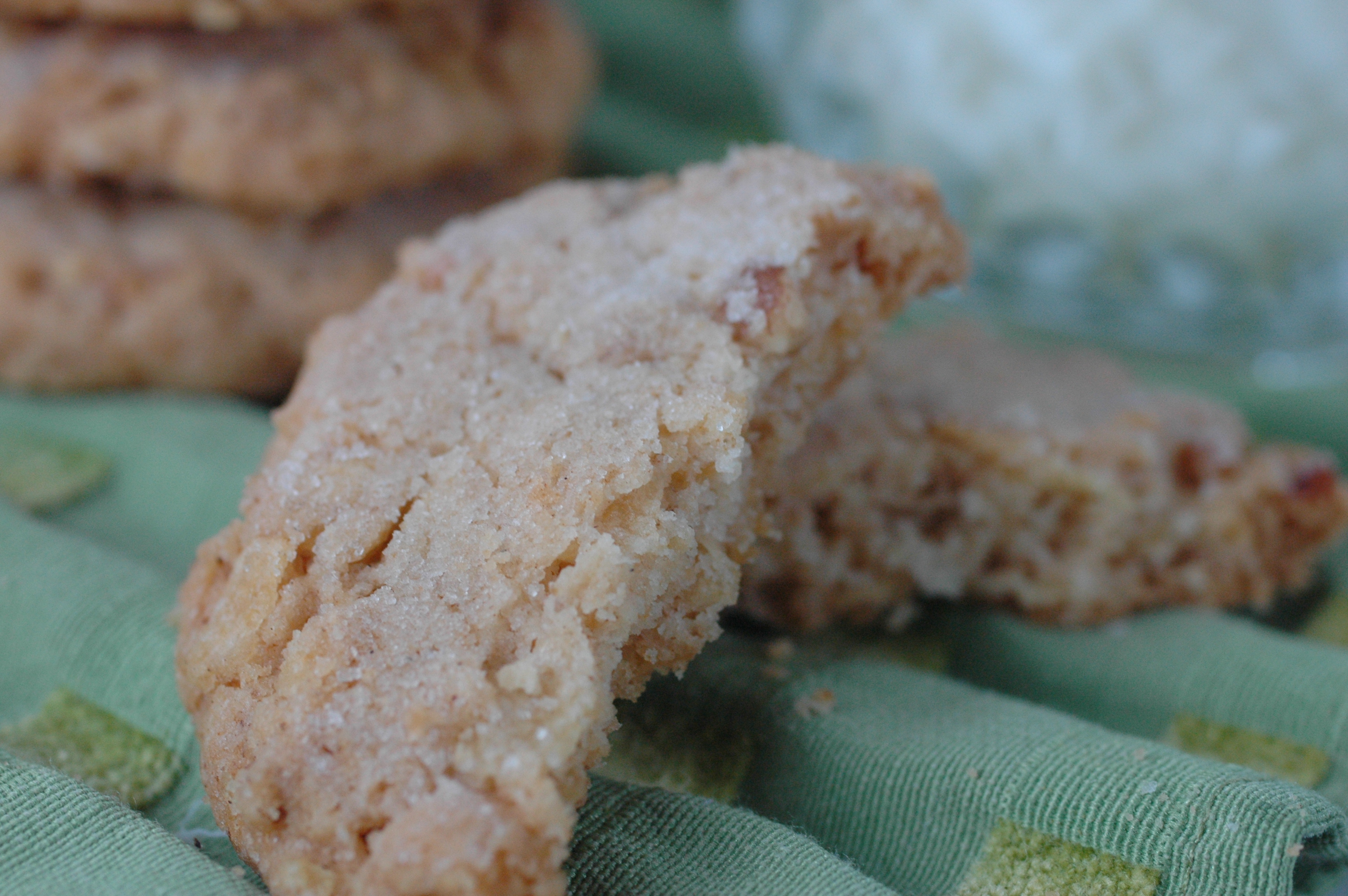
I wrote this post on Potato Chip Cookies before I realized how many others have recently posted recipes for potato chip cookies. In studying some books on food photography, cookies were an “assignment”. These have been on my mind lately and decided to make them for pictures.

Oh well, here is another version that isn’t adapted from Emeril or Smitten Kitchen. Guess a good thing is hard to keep quiet!

We have enjoyed these for years. So addicting and rich a small batch is all you need.

These potato chip cookies are a style of shortbread. There is no salt in the recipe due to the addition of the crushed potato chips. It is a simple and deliciously sweet and salty cookie. They remind me of Pecan Sandies.

The use of baking powder is optional. Using it creates a meringue like texture to the cookie. Quite yummy.

This recipe was discovered in Mom’s Big Book of Cookies which has many delightful cookie recipes, many of which are “kid helper” friendly. I tweaked it a little bit.

If you wanted, you can add some dark chocolate chips to the mix or melt chocolate and dip half the cookie in the melted chocolate.

Or perhaps use pretzels instead of potato chips.

After this potato chip shortbread cookie, maybe a bacon shortbread cookie would be in order. . . just sub out minced crispy bacon for the potato chips and see what you end up with.

Potato Chip Cookies

1/2 cup soft butter

6 Tablespoons granulated sugar

1 teaspoon vanilla extract

3/4 cup all-purpose flour

1/2 cup finely chopped pecans

1/2 cup crushed regular potato chips (non flavored-low fat ones work too)

1 teaspoon baking powder – optional

  • Pre-heat the oven to 350°F
  • Line a baking sheet with parchment paper or use a silpat silicone  mat
  • Cream the butter and sugar together
  • Add vanilla
  • Scrape down the sides of the bowl
  • Measure the flour, baking powder, if using, chopped nuts and crushed chips into a bowl and stir together well.
  • Incorporate the dry mixture into the creamed butter, sugar and vanilla.
  • Make 1 inch sized balls and place 2 inches apart on the baking sheet.
  • Using a flat-bottomed glass of cup, flatten each ball, dipping the bottom of the glass into sugar between each cookie.
    • Or you could roll the balls in sugar and then flatten them
  • Bake 10-12 minutes or until the edges of the cookies begin to turn golden brown.
  • Cool on the baking sheet for 5 minutes before moving the cookies to a cooling rack.

Serve with a tall cold glass of milk.

Rungis Market

Rungis Market is located just outside of Paris, France. It is the largest wholesale food market in Europe. The Tokyo Fish market and Rungis rival by claiming each is the largest in the world.

The Rungis Market has huge areas dedicated to fish, meat, cheese, produce and flowers. The place is a city all its own and that city is mostly alive at the very wee hours of the morning. In fact the fish house closes between 5 and 6 AM. Other houses soon follow.

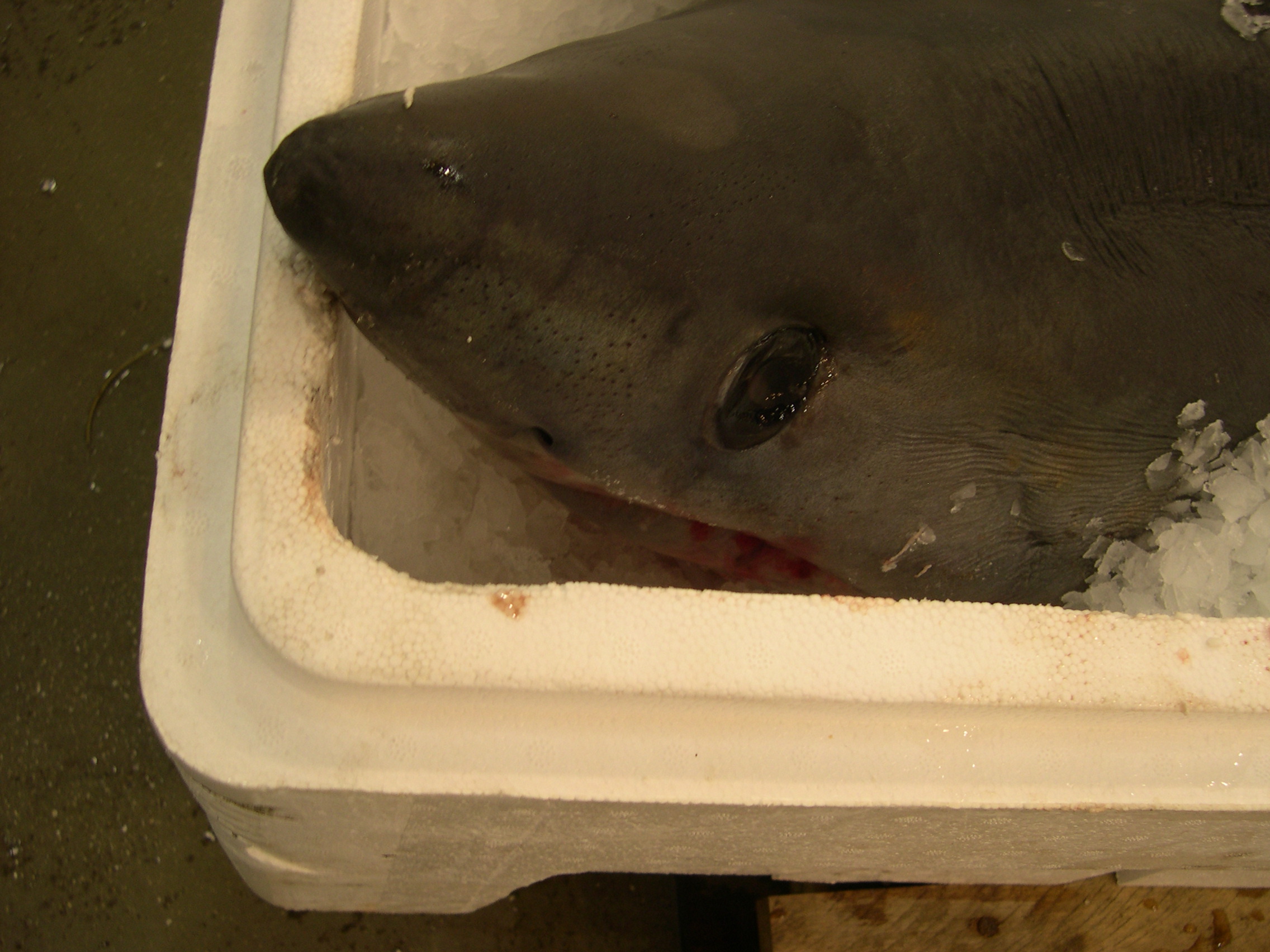
We joined up with a culinary school from Scotland to make the minimum 20 for our all around tour. Phillipe was our guide for 2 years in a row and quite a good guide too. He told us stories of how the fish they are seeing now aren’t as large as fish they got in the past due to over fishing of certain species such as Tuna and Salmon.He told us of growing fields in northern Africa where acres of produce is grown and shipped in to the market.

This market was once located in the Les Halles area of Paris. The army came in and moved the entire market overnight to the new Rungis location. The entire re-location was hush-hush and only revealed after the move was complete.

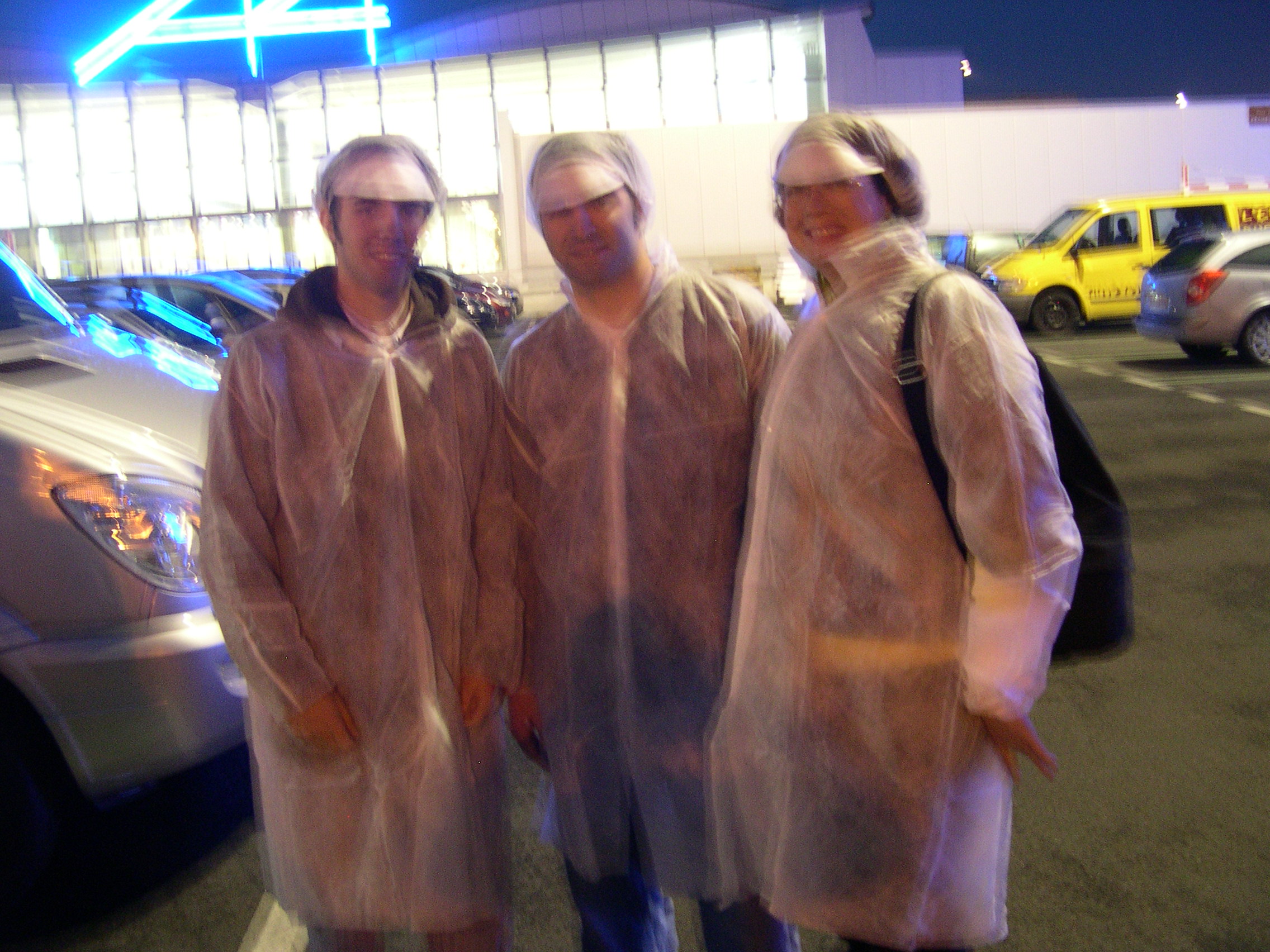
We were outfitted in silly thin paper coats for sanitation, ice and water all over the floors (slippery) and fish everywhere being hustled about on flat beds, forklifts and all in a rush to finish their business by 6AM. You had to watch and listen for the ‘beep-beeps’ as the fish were hustled where ever they were rushing them to.

The meat house was akin to being in a nightmare. Meat carcasses hung everywhere – pigs, cows, goats, lamb, and even horse. Although the horse was not in when we were there they do, on occasion, carry it.

One pork house had pig heads in a pile. One guys job was to yank the tongues out and toss the tongueless head into a big wheeled basket full of other tongueless heads. One fell out as it was tossed, the next worker came by and  it out of the way of the wheels and moved the entire grotesque basket to another room behind big blood smeared doors.

I know these are cow heads, not pigs. The pigs were in a pile getting their tongues ripped out, these got the distinction of being hung on steel pegs for some reason.

Later that evening on a menu, when seeing “Tête de cochon”, I thought to myself, yeah, saw that kicked too. Next?

They sell birds with the feet and heads on so the type of bird can be identified.

The produce markets are displayed like incredible masterpieces of produce arrangement. Such beautiful fruits and vegetables!

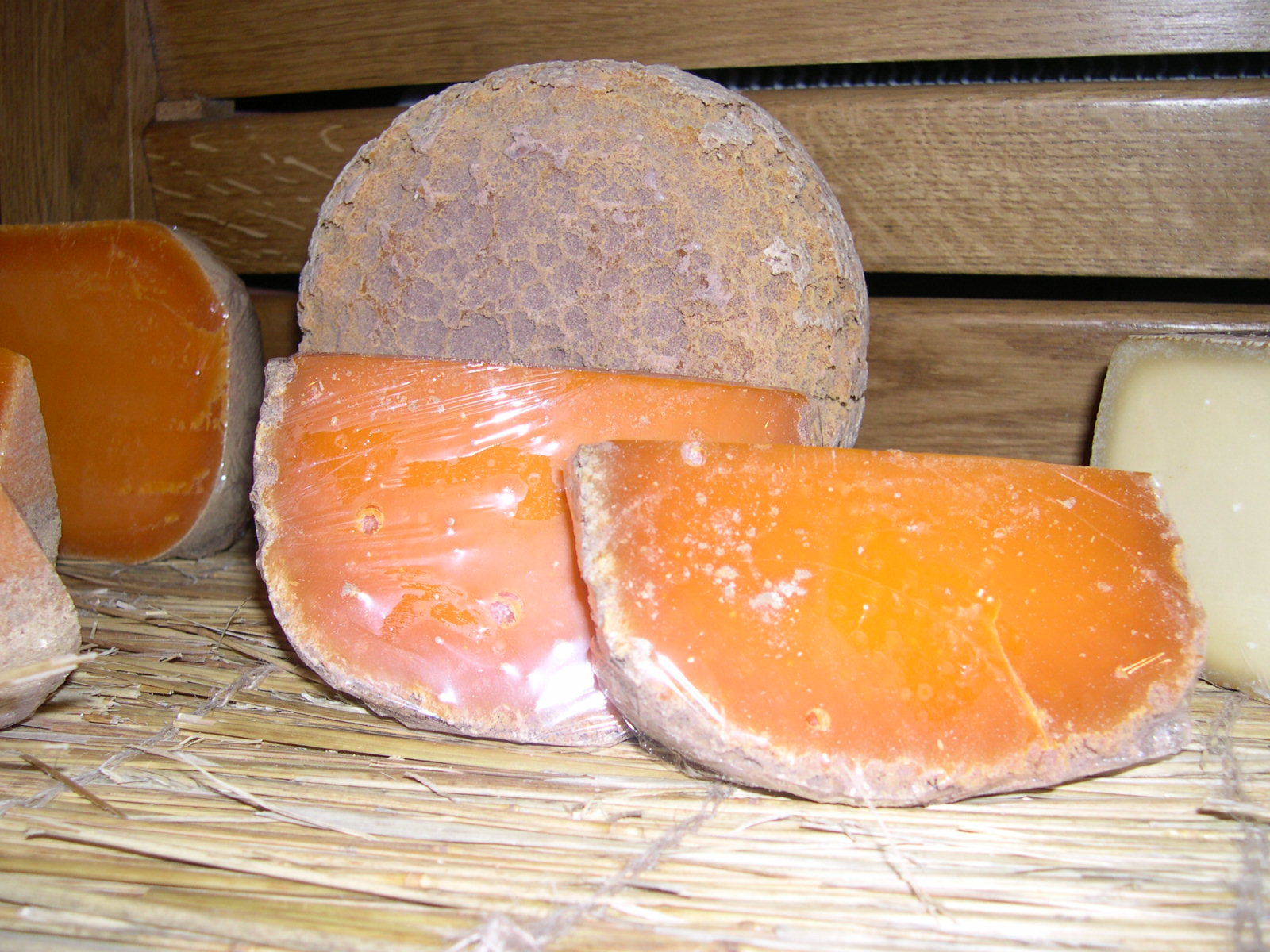
The cheese house features cheeses aging in all stages. There are several cheese Americans would consider spoiled by the amount of mold forming on the outside rind. There is even one cheese you need to knock the bugs out of before you cut it. It looks like a cantaloupe inside and out. The cheese is very tasty. I wish I could remember the name of it.

My favorite cheese is a goat cheese called “Pouligny St. Pierre”, so yummy.

The flower market is spectacular. I wished I could buy a bunch for my hotel room but, they only sell them by the truck load it seems.

This market is a must visit for food tourists. The only thing is you need to have a group of 20 to qualify for a tour. If you go, ask for Phillipe if he is still there. He is a great guide and speaks wonderful English, and French and probably several other languages as well.

We had the best croissants, hot chocolate and cafe au lait at this market. Phillipe arranged for us to stop in one of the restaurants that serve the vendors after our tour. He had to make a special request because the restaurant was typically closing for the day when we finished with our tour. The restaurant is located next to the fish house.

There were coffee stands and a bar inside the meat house. It was odd to see all the meat workers in their chain mail guards over clothes with scimitars strapped in steel sheaths.

I have to apologize for the quality of the photos here, I was trying to be discrete about taking photos. I must say that considering the job these men do, their all white clothing was actually not too bad.

To to end this lovely visit, the produce and flower pavilions.

This slideshow requires JavaScript.

Lobster-cide

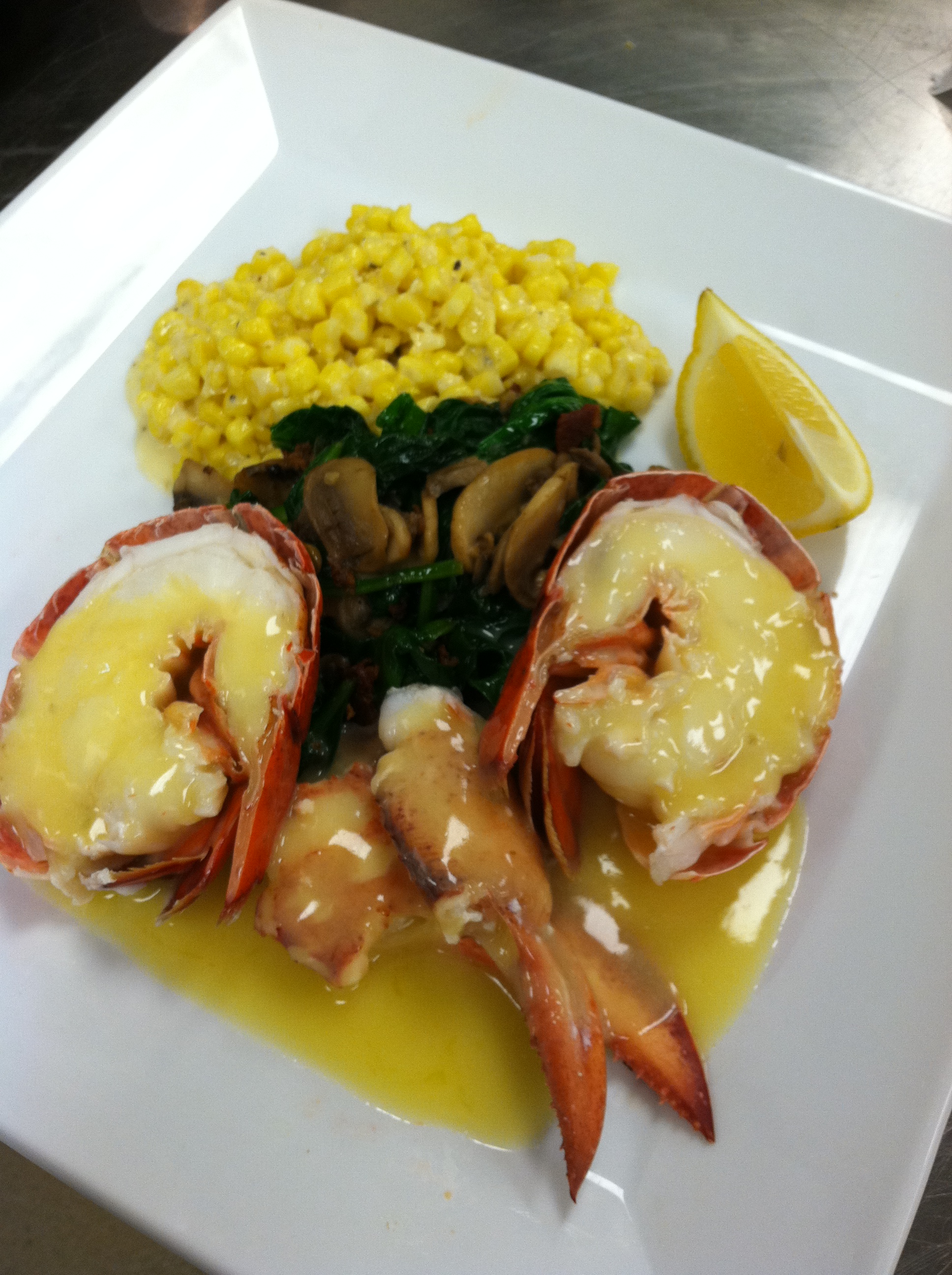
No more “lobster-cide”; I can’t kill lobsters anymore. Being a chef, and an instructor who used to be able to teach such things to poor unsuspecting students, this isn’t something you’d admit out loud.

I was reading Domestic Diva MD‘s post on having to cut up a chicken and kind of understood what she was crying about. I can butcher chicken and birds quite well, it doesn’t bother me at all.

Suppose that is because they are dead when they arrive on my cutting board.

This is a wooden chopping board with a chef's ...

Image via Wikipedia

Lobsters, on the other hand, come in live and kicking and probably pretty frustrated by having their claws banded shut. (thank goodness!) or OUCH! pegged shut. ( The would probably be more angry than frustrated.)

Lobsters shipped for consumption in the United...

Image via Wikipedia

They flicker their feelers at you, roll their odd eyes and foam at the mouth for desire to be back in the water.

They try to walk around so you have to watch them or put them where they can’t get away.They often pack fresh seaweed with them so they have something familiar on their death ride besides a waxed box with ice. That is most likely not the reason, but it is my guess for now.

In order to kill them correctly, you need to rub them between the eyes to calm them down and ‘put them to sleep’ before plunging a 12″ razor-sharp knife into their brains.

“Kills them instantly.” says Eric Ripert

Has he ever been a lobster? How does he know?

I can’t do that anymore. I am bothered by being able to do it in the first place. Once they are dead, no problem, just can’t kill them.

The last time I had to kill lobsters was for a dinner party I was doing for a friend in Atlanta. 14 lobsters for the appetizer.

14 live and kicking lobsters. I could hear them scratching around inside the box, slightly muffled by the seaweed packed in the box with them.

I placed them in the kitchen sink. I got creeped out by so many large weird leggy things scrambling around in the sink, I had to put some of them back in the box.

Then the killing started.

Rubbing the space between the eyes, they calm down. Ready, Aim, Plunge and split the thing in two.

OH! How it writhes and wiggles after!

After forcing myself to do all 14, I was a total basket case. Crying, kneeling down begging forgiveness for taking their lives, who was I after all to decide it was their time to die?

It was quite a horrible struggle emotionally and morally. I won’t kill lobsters anymore.

Not that way. If necessary, I’ll put them into a perforated hotel pan and pop them into a fully active steamer and slam the door shut for 8 minutes.

When I return, voila! Lobster meat. The shells have turned red and there lies the perfect ready to eat lobster, after you rip off its tail and claws.

(I worry about the students who ‘get a kick’ out of learning this. Glad they only get 1 lobster)

Melt some butter and Bon Apetit!

Just don’t ask me to kill them anymore.

This past week

During this past week I have had some time off to get some projects off of my need to do list.

This is what I have been up to:

  • Taxes are done! Until next year. Every year I say I’m going to keep track of records so there isn’t so much to do at the end of the year. Right.
  • Nurturing sourdough cultures into some wonderful bread
    • The cultures had sat in the back of the fridge for over a week, neglected. I was afraid they were dying but after some TLC, Voila! Lively sourdough cultures.
    • I used Amaranth flour and discovered a wonderful green corn silk flavor which turns nutty when toasted
    • I made enough bread for the neighborhood. I love working with the dough. Something about it that I can’t explain
  • Located a commercial kitchen for the production of the condiment line we have been working on for a couple of years.
    • It is amazing how hard these facilities are to find.
    • Now for the details of product liability insurance, leases, USDA labeling compliance etc.
    • Finalizing all of the marketing materials from labels, cards, point of sale materials etc.
    • Lining up spaces in farmers markets to begin marketing
      • Design table display
      • Develop standard product demonstrations
    • Releasing product samples to a sales rep for larger sales and markets
  • Created some great meals that should have been on Spoon Feast
    • Crispy chicken thighs with green Thai sauce over coconut rice
      • Thai green sauce is a recipe in development and simply knock your socks off delicious!
    • Black Bean Soup
    • Grilled Steaks with classic salad and baked potatoes
    • Chicken breasts with lemon rosemary
    • Salmon salad on toasted homemade bread
    • Oven “fried” cod fillets with Thai green sauce (see above) and jasmine rice
    • Deviled Eggs, a true Southern dish

I suppose I should have been blogging about these dishes but didn’t.

I just wanted to cook without documentation.

  • Listened to French moviesall day just to hear the language.
    • I was inspired by Becoming Madame to find more ways to immerse myself into the process of learning French.
  • Registered for a digital photography class Saturday afternoon
    • I am very excited about this one!

I’ll be back on the regular blogging schedule by tomorrow.

In the meantime, the orchid has started blooming, soil is warming, the coffee is hot, and it is going to be a glorious day.

Life is good.

Garde Manger Finals

Garde Manger Finals means this is the last of the class posts for a few weeks.

Our final full week of Garde Manger had students exploring some aspects of molecular gastronomy and perfecting carving skills.

While the students did a great job with various carving skills, I got the impression this class would rather actually cook than play with making garnishes.

Gulf Oysters, Blood Orange Vinegar Pearl, Duck Fat Powder

Which is why they had a couple of days to play with a bit of molecular gastronomy. They used tapioca maltodextrin to create powders from olive oil, bacon fat and duck fat. It was sprinkled on french fries, chips, oysters and played within general.

They played with spheres, making pearls and eggs from various liquids like cucumber juice, blood orange vinegar and coffee. Not together of course. They created a jellied piña colada layered sphere – coconut, rum, pineapple – nice concept but awkward to serve and eat.

They cured watermelon in vacuum pack and served it with a seared duck breast and corn jus.

Using the Pâté de Fruit method, they were given an assignment of creating a jelly that would melt in the mouth or inside of something.

Examples being: a jellied stock with a morsel of meat, chicken or fish inside a dumpling. When cooked, the dumpling is full of the flavorful liquid inside. A surprising bite.

They made 4 different kinds of gravlax; a salmon cured with salt, sugar, herbs and spices.

I plan on working more of these things into the garde manger curriculum. These techniques are found out in high-end and cutting edge restaurants so why not explore it while in school.

The final assignment was to do an hors d’oeuvres party for 40 people. They had to plan, set up and do the entire event.

I think they did a terrific job.

Garde Manger II starts at the end of March. That session will feature curing meats, smoking, pate, terrines and all the other sides of garde manger.

Enjoy the slide show.

This slideshow requires JavaScript.

Another week in Garde Manger

Chilled Mussels with Miami Mustard Sauce

This week in Garde Manger we did a study of hors d’oeuvres and started to learn some basic vegetable carving.

We had one small event with 125 grazers, several evening events and now to work on a grand finale buffet the week after next.

Next week we focus on getting carving skills perfected and learning some molecular gastronomy elements for contemporary garnishing applications.

The most fun comes when the teams plan their final presentation that must incorporate everything we have covered so far in class.

This means I am expecting a spectacular centerpiece using carvings, sculpting vegetables, tallow or salt dough. One of the pieces I teach them is a carved daikon peacock. easy to do yet looks very complicated.

This slideshow requires JavaScript.

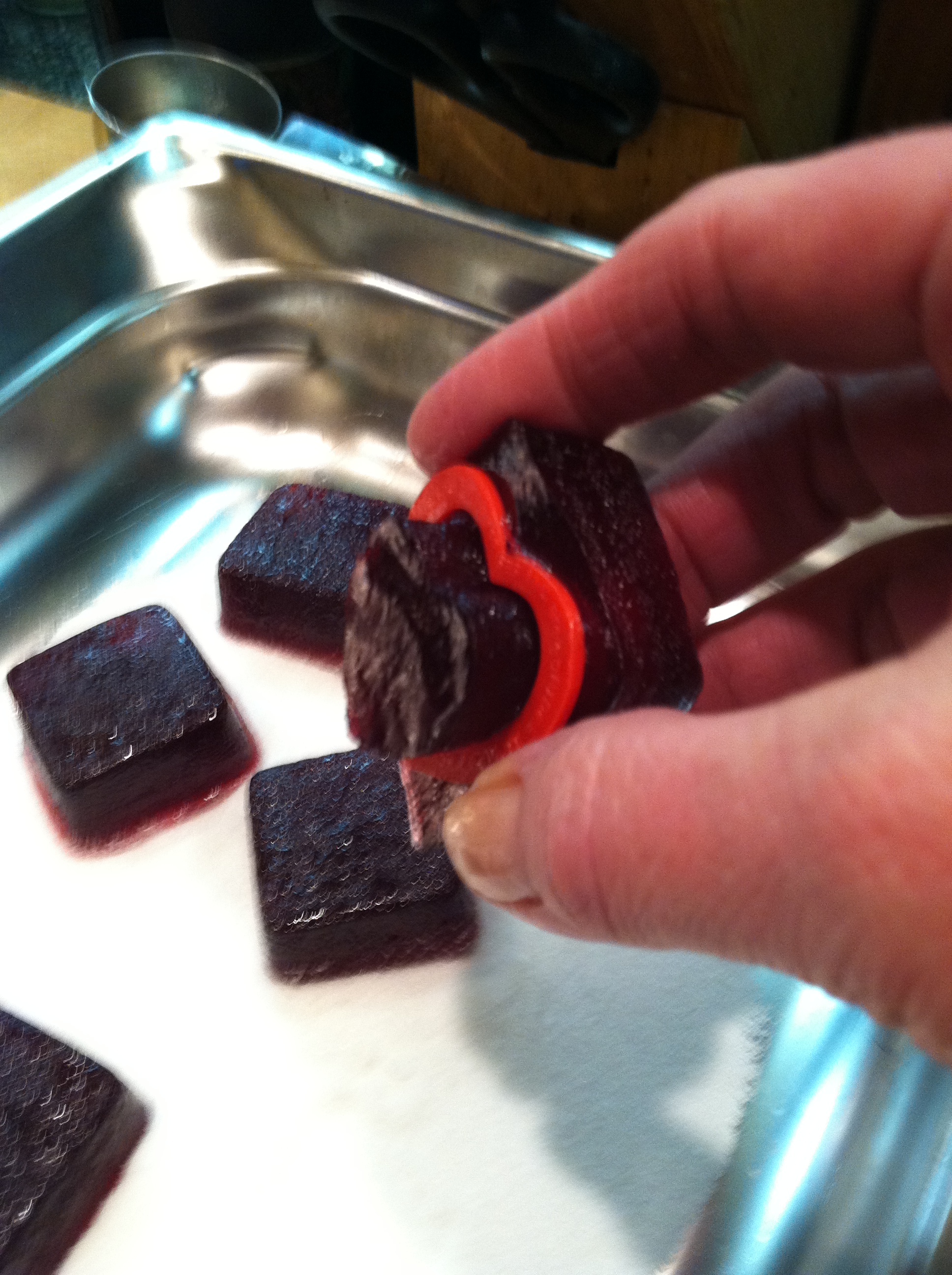
Pâté de Fruit et “Pâté du Vin”

These gleaming tender fruit gems known as “Pâté de Fruit” are delicious and irresistible. There are so many different recipes for these fruit geleés. If you want a real quality product, use a recipe that includes glucose syrup and pectin rather than gelatin.

These are considered quite a special gift and if purchased, this quality could be expensive.

Remember “Chuckles” candy from your childhood? Those are similar to fruit geleé but they had gelatin.

Gelatin, in my opinion, leaves the geleés much too “tough” and bouncy. The whole concept is for the geleé to have a slight tooth that melts into a pool of exploding fruit or wine flavor. There should be nothing to chew, just a lovely melting in your mouth and the slight crunch of the coating sugar.

The actual time required to make these isn’t much but it needs your full attention for about 20-30 minutes.

You have to whisk constantly while the mixture is on the heat. Then act fast after you remove it from the heat because the geleé mixture sets quickly.

Have everything you need ready to pour. After you pour the cooked mixture into the desired mold, let it sit for at least 8 hours, or longer, to set.

Do not refrigerate. Refrigeration will melt the sugar on the geleés.

So, Here’s how you do it

Please weigh all ingredients.

If you don’t have a small digital scale, go buy one. It is essential if you are serious about baking. They are not expensive but you can pay as much as you want to for one.

Wine or Fruit Geleé “Pâté de Vin/Fruit”

  • 3 ounces unsweetened applesauce
    • Spread it out on a parchment lined sheet pan. Place it in a preheated 200°F oven for 30 minutes. This is to evaporate some of the moisture out of the applesauce. Scrape it up with a bench scraper or spatula and put it into a heavy bottomed sauce pan with the following ingredients:
  • 8 ounces wine OR smooth and strained fruit puree (raspberry, strawberry, mango, passion fruit, pineapple, etc.)
  • 1 ounce light Karo syrup made without High Fructose Corn Syrup or use glucose syrup
  • One  3-ounce package liquid pectin or 3 ounces powdered pectin (not the one for low sugar)
  • 12 ounces granulated sugar
  • 1 teaspoon salt
  • 1 teaspoon lemon juice
  • 8 ounces granulated sugar for dusting the finished geleé

While applesauce is drying in the oven, prepare the mold you want to use. Spray it with non-stick pan spray or line it with parchment paper. Leave an overhang to make removing the geleé from the pan easy.

Blend the wine or fruit puree with the applesauce, syrup, liquid pectin in a heavy bottomed sauce pan.

If using powdered pectin, mix it with a small amount of the sugar to help prevent clumping.

Over high heat, while whisking constantly, bring the mixture to a boil.

Add half of the sugar, once it melts and nears boiling, add the remaining sugar.

Bring to a boil and boil for 3 minutes. Whisk constantly to avoid scorching and clumping.

Add the lemon juice.

Working quickly, pour into desired molds, smooth with a spatula, cover with an oiled parchment paper and let sit for 8-12 hours.

If you made one pan, remove the geleé to a cutting board and cut into desired shapes.

If you used candy or silicone molds remove them carefully from the molds.

Dip each geleé into sugar to coat. Serve or place in an airtight container and hold them at room temperature for several months.

If you like these and enjoy making fruit geleés, check out  Passion Fruit Geleés by Savory Simple.

Our recipes area similar and she has cups and tablespoon measurements on her recipe for Passion Fruit Geleé.

Enjoy making and eating these tender morsels of Pâté de Fruit or Pâté de Vin. I think they are quite special.