Hoop Cheese

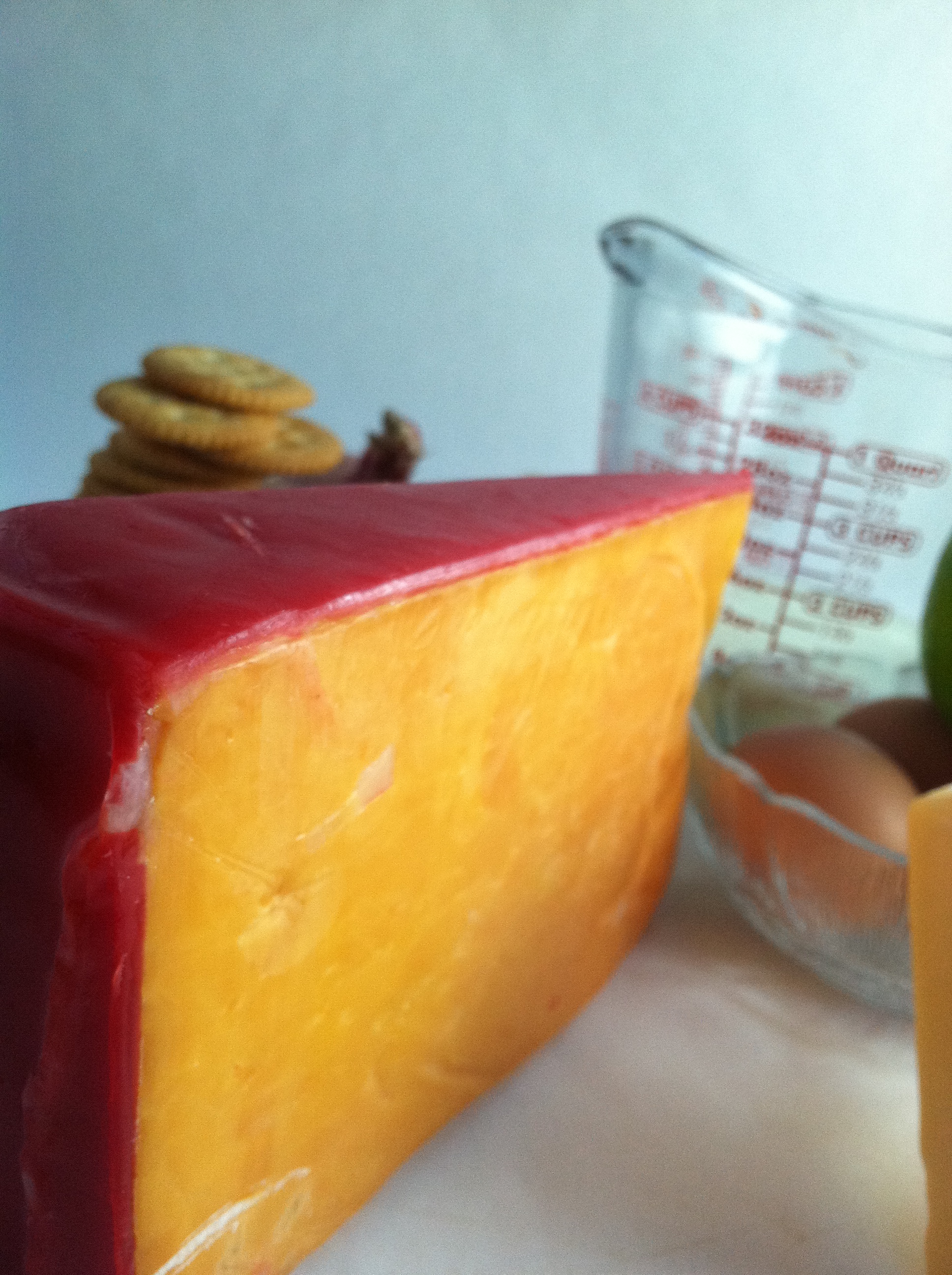
Red Wax Hoop Cheese

Hoop Cheese deep south favorite!

This cheese is a fresh farmers cheese. The curds are pressed into a mold (the hoop) to release moisture. Because the cheese has a high moisture content, it spoils quickly. Since the cheese was easy to make, in days gone by, the local grocer typically made the cheese in the back and cut wedges to sell to eagerly awaiting customers.

When the cheese is aged to develop some of its mild flavor, it is coated in either red or black wax.

The black wax is aged longer and is somewhat sharper than the red wax hoop cheese.

Once the waxed wheel had been cut, the cheese needed to be sold and consumed in a couple of weeks.

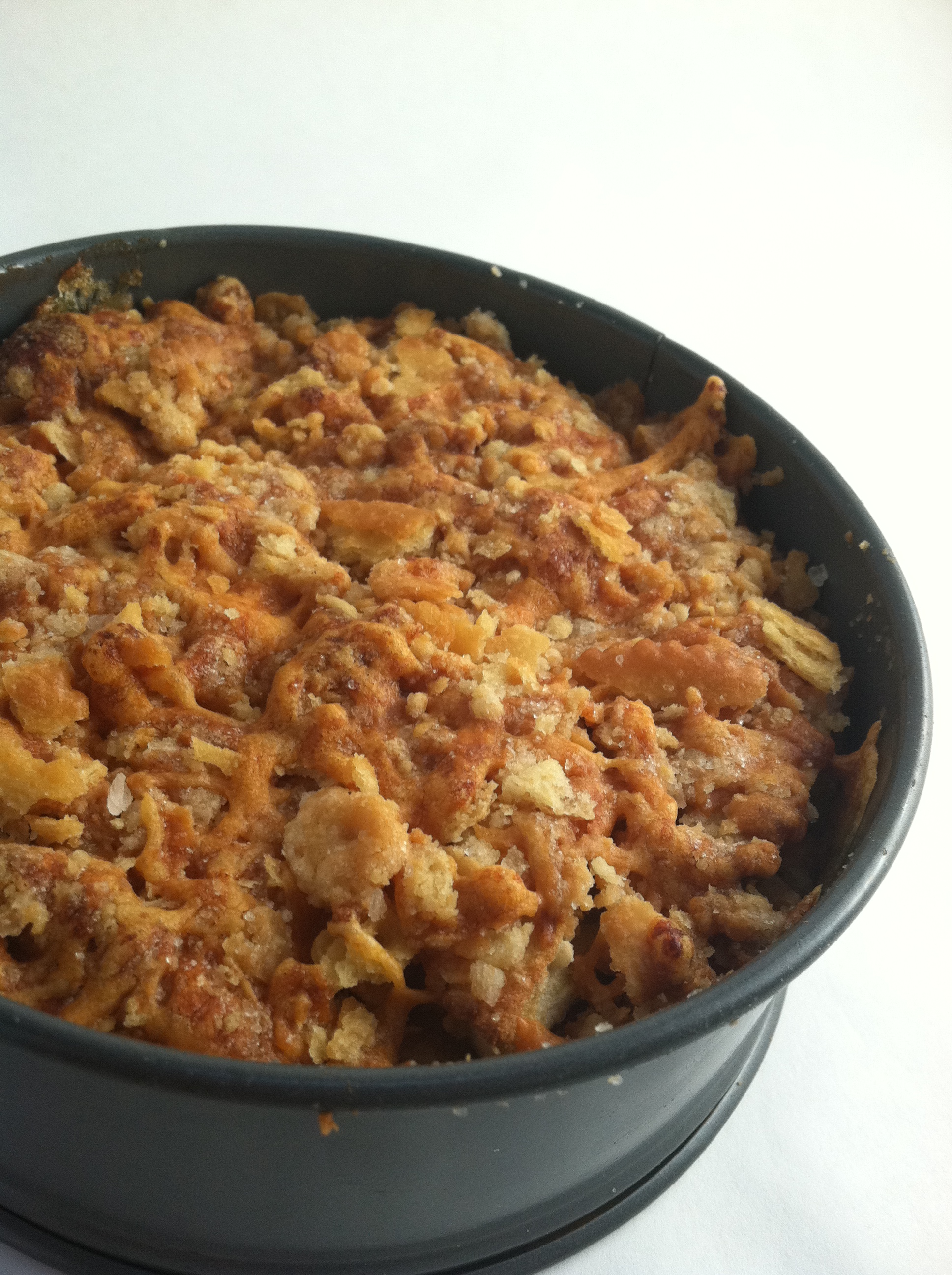
Here is an easy recipe for using hoop cheese with a classic American combination of apples and cheddar.

Apple Cheese Gratin

1 cup AP flour

1 cup sugar

1 sleeve of Ritz Crackers (33 crackers), crushed

1 cup shredded cheddar cheese

1 cup shredded hoop cheese, black or red rind

1 tsp salt

1/2 cup melted butter

6-9 granny smith apples, peeled and sliced

1 deep 2-quart casserole dish, buttered

(To butter a casserole dish, smear soft butter all over the inside, paying close attention to corners.)

Combine all the ingredients except the apples in a bowl. Add melted butter to bring the mixture to a streusel topping consistency. You may need more or less than 1/2 cup. Adjust accordingly.

Peel and slice the apples. Begin by layering the sliced apples in the buttered casserole dish. Alternating  layers with apples, then cheese mixture all the way to the top with the final topping being the cheese mixture.

Pat it all down into the pan.

Place the casserole on a baking sheet and place into a 350° F oven for 30-40 minutes. The apple cheese gratin is done when the topping is golden and the casserole is bubbling.

Remove from oven and cool before serving.

Just in case you are in the mood for a savory hoop cheese dish, here is one for a classic southern yellow squash casserole.

Classic Southern Yellow Squash Casserole

4 cups thickly sliced yellow squash

1 medium onion, sliced thin

1 tbsp olive oil

1 clove minced garlic

2/3 cup milk

2 eggs, beaten

33 Ritz crackers, crushed, not crumbled

1 pound shredded hoop cheese

6 ounces melted butter

Pre-heat oven to 350°F

Slice the squash and onions. Heat a large saute pan over medium heat. Add the oil. Add the onions and squash and saute 3-4 minutes until the vegetables begin to soften and the onions become translucent. Add the garlic and remove the pan from the heat.

In a separate bowl, mix the milk with the beaten eggs.

In another separate bowl, crush the crackers

In another separate bowl, have the cheese

Melt the butter in the microwave, set aside.

To assemble the casserole:

Butter the casserole dish, place a layer of squash and onion mixture on the bottom.

Cover the squash and onion layer with a layer of cheese and then crackers. Repeat layering to the top of the dish.

Before adding the top layers of cheese then crackers, pour the milk and egg mixture over the casserole, shaking gently to allow the mixture to penetrate the casserole.

Add the final cheese layer, top with the final cracker layer.

Pour melted butter over the top.

Place the casserole on a sheet pan and put it into an oven pre-heated to 350°F. Bake for 40 minutes or until the topping is golden brown and the dish is bubbly. Remove and cool slightly before serving.

This squash casserole is very popular at holiday time and for pot luck dinners. Best of all, it can be made a day ahead of time.

Hoop cheese makes it all so creamy.

Making hoop cheese at home is actually simple as long as you have the right tools:

  • a cheese press
  • muslin cheese cloth
  • cheese wax
  • something to melt the cheese wax in like a stainless bowl or pot. (Please realize this container will only be able to be used for melting wax in the future so choose something you won’t miss using).

NOTE: Using cheese wax requires you to understand and practice safety procedures. No kids or pets or distractions around please. Wax fires are very dangerous. Read all precautions!

About the cheese press: Go to New England Cheese Making Supply and take a look at all they have to offer. You will find everything, including videos, for learning all about making lots of different kind of cheese.

If you know someone who is clever or resourceful, they may be able to make a cheese press for you. If not, have no fear, you can still make cheese. Just buy your press and supplies from New England Cheese Making Supply.

To make hoop cheese:

  • First make a fresh batch of homemade cottage cheese. Do not add cream or salt
  • Separate the curds from the whey and leave the curds plain
  • Dampen a piece of muslin cheesecloth and line the press
  • Then place the curds into the press and add pressure
  • Allow the curds to press for 4-6 hours or for a dryer cheese, overnight

Now you have hoop cheese. It can be eaten right away but it will not have a lot of flavor right away. Aging requires the cheese to be coated in wax and aged in the refrigerator. The color added comes from using annatto.

To make hoop cheese at home, consult New England Cheese Making Supply for instructions and supplies.

If you have a farmers market nearby, someone would have hoop cheese for sale. If you don’t see any, ask for it. If they don’t have any, I’m sure they can point you to someone who does.

Local grocers in the south often carry hoop cheese too. Just ask your grocer. Being located in the south, I am not sure of the availability on other areas.

Can you find Hoop Cheese in your area? Please share your recipes!

Right now I’m heading to the kitchen to fix a snack of Trisket Crackers, a slice of hoop cheese topped with a bread and butter pickle. . . one of my favorite snacks!

Hummus

The Hummus Show

Recipes

Basic Hummus
Ingredients:

  • 1 16 oz. can of chickpeas or garbanzo beans, rinsed
  • 3-5 tablespoons lemon juice (depending on your taste)
  • 1 1/2 tablespoons tahini
  • 2 cloves crushed garlic
  • 1/2 teaspoon salt
  • 2 tablespoons olive oil
  • Up to ¼ cup water if mixture seems to be dry while processing
  • Salt and pepper to taste
    • Bushes brand is the best

Note:

Be sure to adjust salt and pepper after adding your mix-in flavors.
Sometimes you will need to adjust your salt and pepper, sometimes you won’t.
Always give it a taste to be sure.

Preparation:
Drain chickpeas and rinse.
Combine remaining ingredients in blender or food processor.
Blend for 3-5 minutes on low until thoroughly mixed and smooth.
Add 1/4 cup water as needed while processing.
Place in serving bowl, and create a shallow well in the center of the hummus.
Add a small amount (1-2 tablespoons) of olive oil in the well. Garnish with parsley (optional).
Serve immediately with fresh, warm or toasted pita bread, or cover and refrigerate.
For a spicier hummus, add a sliced red chili or a dash of cayenne pepper.

Storing Hummus
Hummus can be refrigerated for up to 3 days and can be kept in the freezer for up to one month. Add a little olive oil if it appears to be too dry

Mix-Ins and Flavor Enhancements

Using your imagination, you can create an amazing array of flavored hummus. All you need to do is figure your flavor profile and mix in your ingredients.

For one entire recipe of Basic Hummus, use ¼ to ½ cup of any of the following suggestions.

Favorite and classic combinations are:

  • Scallions, chopped fine
    • Use garlic flowers, chives and chive flowers for more flavor power.
    • Roasted red peppers
      • Either fresh roasted from your grill or oven, or from a jar; simple puree and mix in. You can leave some in small dice for accents. Enhance the color with a sprinkling of chives or parsley.
      • Roasted Garlic
        • Roast your garlic using your favorite method. Cool the garlic and squeeze the paste from the cloves, mash with a fork until smooth. Season with salt and pepper. Mix into a basic hummus recipe and stir to combine.
        • Guacamole
          • Add 3 cups fresh cilantro to the basic processing, also add 1 clove fresh garlic, and 1 ripe avocado, ½ sweet onion, process until smooth
          • Chili lime
            • Fold in Chili powder, lime zest and lime juice. Start with 1 tsp. chili powder and adjust to your taste for level of heat.
            • Lemon Parsley
              • 2 cups Italian parsley leaves, zest and juice from 1 lemon, process with basic hummus until smooth
              • Pesto with Sun Dried Tomato
                • Fold in your favorite pesto and add some small diced sun dried tomatoes.

Use your imagination to create your own favorites.

Basic Hummus without Tahini

Ingredients:

  • 1  16 oz. can garbanzo beans/chickpeas
  • 1/4 cup olive oil
  • 1 tablespoon lemon juice
  • 1 teaspoon cumin
  • Up to ¼ cup water if necessary
  • Salt and pepper to taste

Preparation:
In a food processor, blend all ingredients together until smooth and creamy.

Serve immediately with pita bread, pita chips, or veggies.

Store the hummus in an airtight container for up to three days.

Pita Chips

  • 1 package pita bread, can be old but not moldy
  • Olive oil to brush the bread
  • Salt and pepper

Cut the pita breads into small bite sized wedges.

Lay the wedges flat on a sheet pan and brush with olive oil.
Season the wedges with salt and pepper.

Place a piece of parchment on top of the cut pita wedges and set another sheet pan right on top so the pita is between two sheet pans.

Place into a 400°F oven for about 10 minutes.

You will need to peek at the pitas to ensure they are not getting too brown. If the pita is not golden and crisp after 10 minutes, remove the top sheet pan and parchment.
If you want the bread wedges to be more golden, place them back in the oven until they are at the desired color.

Caution, don’t walk away as they will burn on you very quickly. Keep a close eye on them to prevent burning.

Enjoy making Hummus! Let me know what kind of “Mix-in’s” become your favorites.

Puzzle Peace Farm

I was wondering about what to write about next when the best e-mail of the week showed up in my inbox.

It was from Puzzle Peace Farm describing all the wonderful produce and goodies they will have at the farmers market tomorrow.

“Dear Local-vores,

There’s good news and there’s good news. First, the pressure of cold overnight temperatures in the next week prompted us to clear out frost sensitive crops. The late freeze has made this the longest growing season we’ve seen for warm weather crops, overlapping with cool crops rather than greeting them and promptly falling over dead. Second, the dropping temperatures make refrigeration a non issue on the farm. (AMEN!) We’re sitting in the 40s right now, perfect for washed and packed greens. What I’m saying is, this is the largest harvest we’ve seen since July, and on half the acreage! Be prepared for a much larger booth tomorrow.

Look out for (new crops in caps): ARUGULA, Swiss Chard, Beets and Beet Greens, WATERMELON RADISHES, Easter Egg Radishes, Hakurei Turnips, Kale, Collards, Basil, Okra, Cayennes, MUSTARD GREENS, Anaheim, Green and Sweet Red Bell Peppers, Eggplants, Deer Tongue and Flashy Trout LETTUCE, Nancy Hall, Lee Purple, Tennesee Red, and White Delight Sweet Potatoes, Green Tomatoes, Carrots, Free Range, Grass Eatin’ Happy Hen EGGS, Pet-Food Rosemary Garlic Goat Cheese. Sausage, Ground Pork, and Fatback as well.  

Radishes

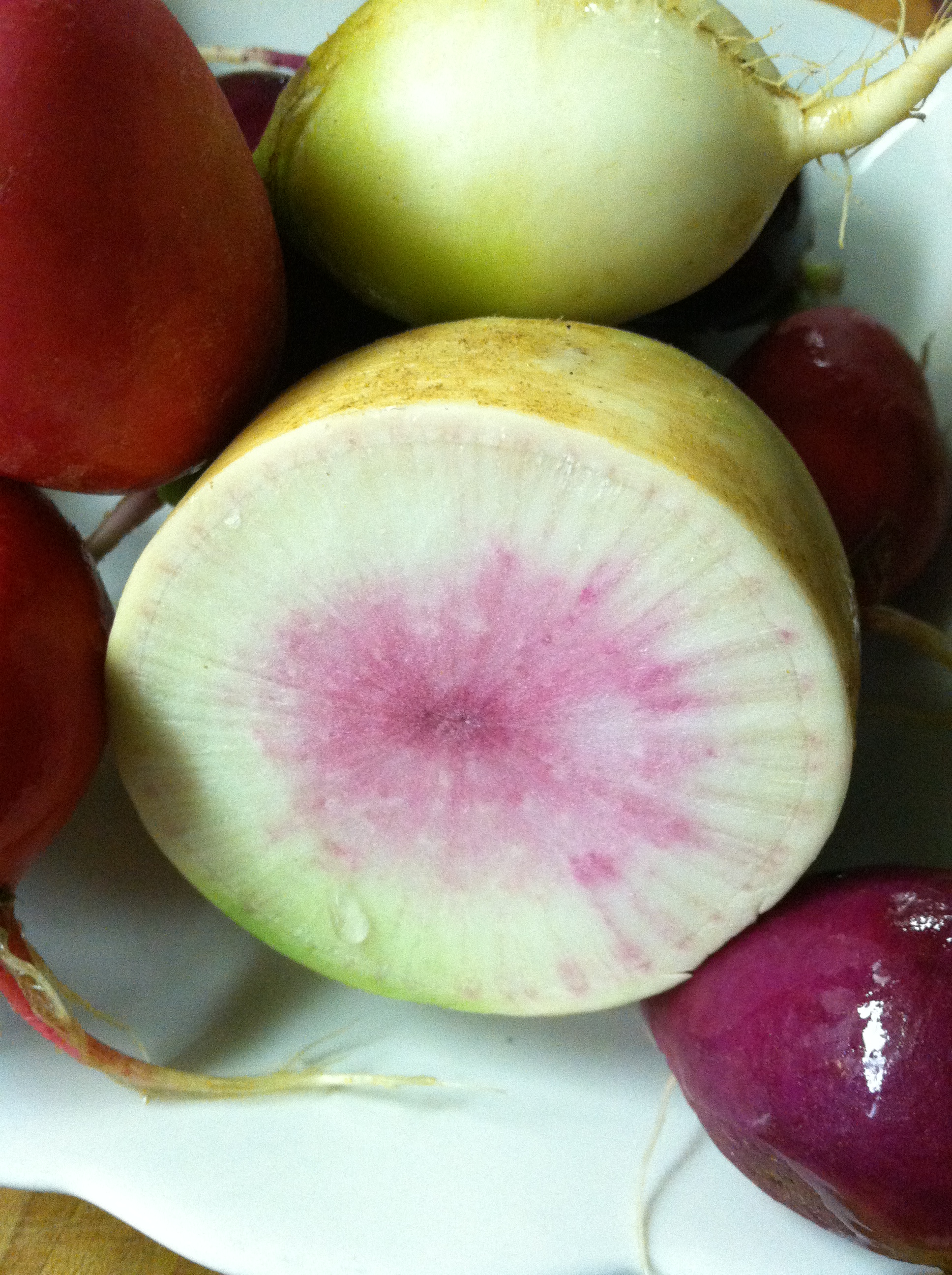
Watermelon radishes are up to size and a must try for the radish lovers in the audience. They are larger, hardier, and slice open to reveal striped deep fuschia flesh, spicy and sweet. Bonus are the tops which are hefty and nutritious.

Beet greens are coming in as well. These are a close cousin to Swiss Chard and an added bonus to the beets themselves. They are dense and flavorful, best stewed with butter and salt.

One trick we’ve learned with greens (kale, turnip greens, mustard greens, beet greens, or collards) is to chop and par-boil or blanch them while they’re fresh and cook with them throughout the week. They’ll take up much less space in the fridge and be ready to throw into quesadillas, soups, stir fries, pastas, etc. when you’re pressed for time.

Thank you sincerely for your support in our farming endeavor. It is important to all of us to provide sustenance for ourselves and others. It is a heartwarming way to make a living.

Lindy
Puzzle Peace Farm

I must go get some of their watermelon radishes, greens and goat cheese for my pet.

Their blog is charming and has great pictures of farm life. Reading about their trials and celebrations brings farm life alive and deepens your knowledge of what goes into the production of our food. It makes you appreciate the food on your table.

Thomas is a delight to talk to; he is glad to share favorite ways of cooking the beautiful vegetables and meat he sells. I’ll have to reserve some pork chops for next time. He was sold out when I got there.

Greens from the market

But I did manage to fill an arm load with kohlrabi (purple!) Easter egg radishes, deer tongue lettuce, some nice spicy arugula, garnet sweet potatoes, a couple of small eggplants, and 1/2 of a watermelon radish. He had sold out of those too except this partial one hiding.

I asked about Araucana eggs and Thomas told me they have half Araucana hens and I believe he said that the others were Reds. In the dozen egg holder were green, rose and brown eggs. Araucana hens lay colored eggs, no joke.

Just down the way from Puzzle Peace Farm were the largest collard greens I had ever seen. So fresh, just picked a couple of hours ago and at only $2.00 a head, how could I resist?

Collards, tomatoes, butter beans, chicken

For dinner, I blanched then sauteed the collards, added some tomatoes I had just picked, some diced chicken and a can of butter beans; stuffed this mixture into a crispy corn taco shell, added sliced jalapeno, diced red onions and some shredded hoop cheese.

YUM!

Jalapeno harvest

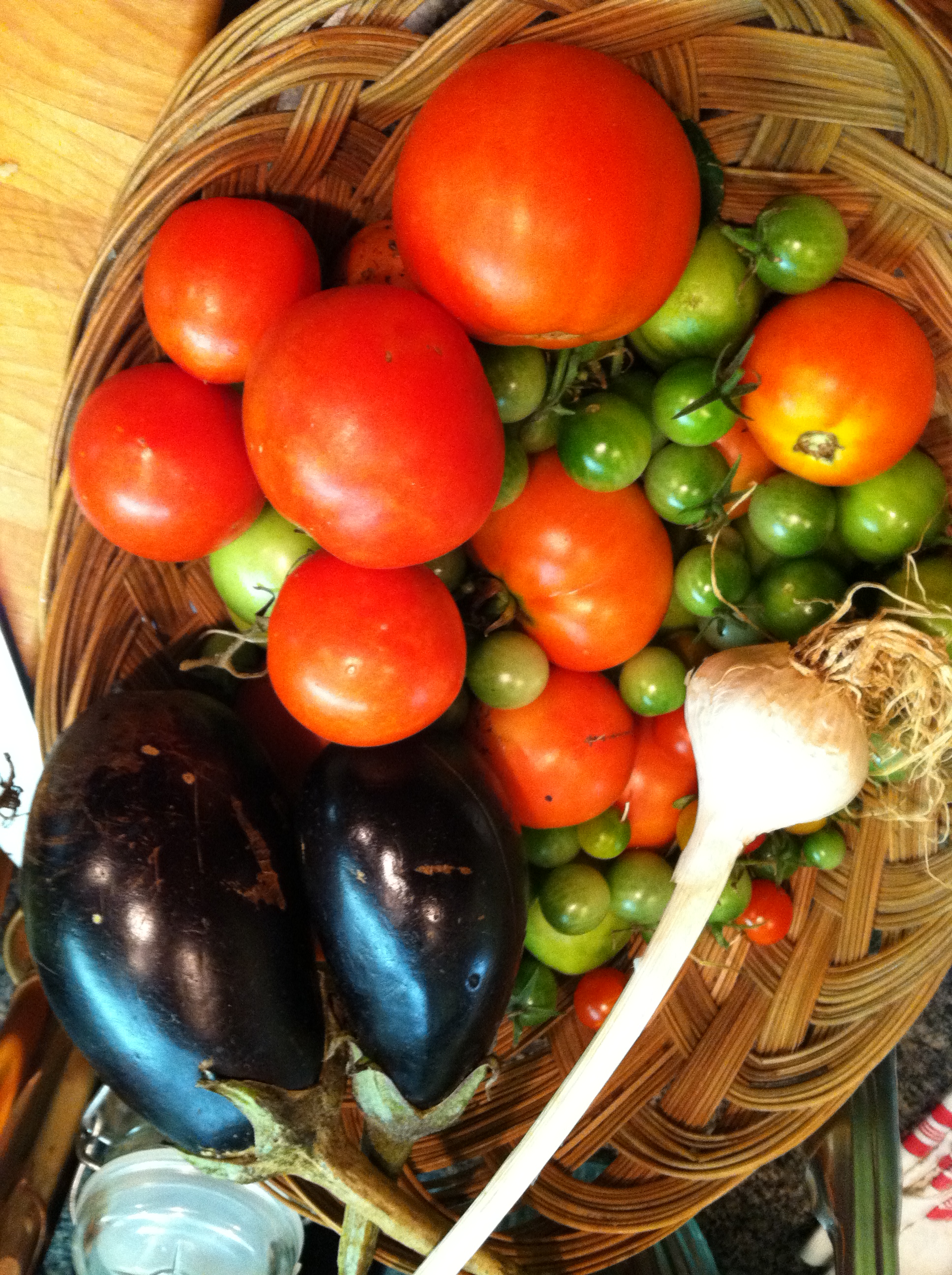
It is supposed to freeze tonight so all that remained on the tomato and jalapeno plants got harvested today. Combined with the bounty from the farmers market, the pantry is well stocked with fresh produce for a few days.

Last harvest

When you visit the Yorkmont Farmers Market in Charlotte, NC, be sure to stop by and see what goodies Puzzle Peace Farms has on hand. Say hello to Thomas and Lindy and treat yourself. Check out their blog by clicking here!

Support your local farmers. Eat what is grown around you; become a “local-vour”. Meet and talk to those who produce your food.

Nourish yourself. You and your family deserve it.

Last Chance Tomatoes

Memories of Mountain Living

~vignettes and short stories of living the the western North Carolina mountains

Last Chance Tomatoes

On our way home today, we passed the “Mission Farm” that has huge fertile fields in one of the valleys we drive through all the time. There was a spray painted sign “Tomatoes, u-pick $5.00 bucket” so we turned in.

The tomato plants went on forever and there were only two kinds, according to the lady who ran it, “round ones and oval ones”.

The ground was covered with fallen rotting tomatoes and the plants were loaded with all sizes of the luscious fruit in various stages of development. The air was thick with the smell of tomatoes, both ripe and rotting and the unique odor that a tomato plant gives off when disturbed.

At first I didn’t think we would really find much but as we eased our way down the rows. There were more tomatoes than we could ever pick and certainly more that I could ever process in a reasonable time. Tyler was spotting them better than me. I guessed it was his eye-level advantage. However, the fruit were lit up like ornaments in the long rays of the late afternoon sun.

It was the first time Tyler had ever picked tomatoes. In the past he has always been a tomato hater. But today, he said he would actually like to try to eat some.

I remember my mom and me going to my dad’s garden and plucking firm ripe red tomatoes from the plants. While they were still warm from the sun, we would wash and slice them. We would sprinkle salt and black pepper on them and eat mass quantities. That is still my favorite way to eat tomatoes, warm from the sun. That has remained my measure of a quality tomato, even to this day.

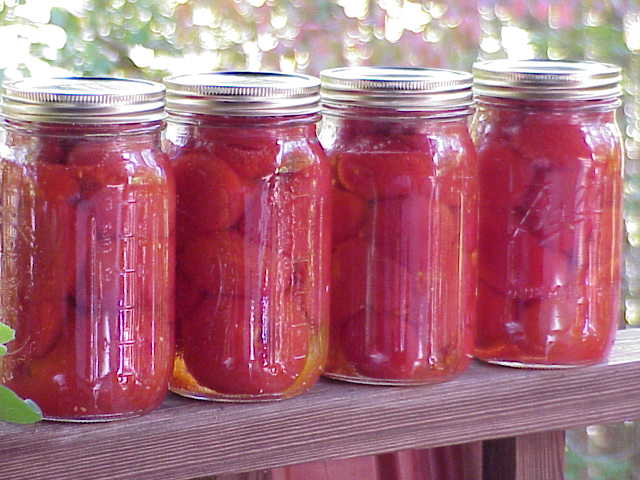
Today, I feel like I’ve been given a second chance to capture some of summer’s goodness. I shall can these and set them up in their clean glistening Ball and Mason jars on the walls of my basement steps to open and savor the goodness of a warm summer day sometime this winter, while it is snowing outside.

Fast forward 10 years and today I am harvesting the last of the tomatoes from the vines. Tonight will frost.

There are enough green ones to make my grandmothers green tomato chow-chow and red ones for the last of the tomato sandwiches and dinner salads.

Tyler still does not eat tomatoes, although he did try fried greens, once.

Basic Knowledge Every Cook Should Know: Part 1

These are some basic points of knowledge I believe every cook should know.

Knowing how to do these things can make your food more flavorful, easier, cheaper and lots of fun.

In no particular order:

Make your own creme fraiche, yogurt and sour cream

The procedure is basically the same for each.

Yield: 1 quart

1 quart heavy cream or half and half (for sour cream and creme fraiche) or milk (yogurt)

1/3 cup starter culture:

Creme fraiche – buttermilk

Sour cream –  sour cream

Yogurt –  yogurt, plain

Place the dairy product into a non-reactive pot and bring to 185°F. Remove from heat and cool to below 75°F.

For yogurt, add 1 cup dry milk powder and 1 tbsp honey or other liquid sweetener such as agave syrup or maple syrup while heating.

Add the starter cultures after cooling; stir it in well.

Cover and leave in a warm spot overnight or for 12-18 hours. The product is ready when it has thickened.

To make a Greek style yogurt, pour the thickened yogurt into a quadruple folded cheesecloth. Tie the corners so the yogurt can hang from a wooden spoon suspended over a bowl to catch the dripping whey. Overnight is usually sufficient to thicken the yogurt to  “Greek” style thickness.  The key to a thicker yogurt consistency is using dry milk powder.

Refrigerate and use within 2 weeks.

Learn to make Half Sour Pickles

These are considered a “fresh” pickle

Ingredients for half sour pickles

Yield: 1 quart

1 quart wide mouth canning jar with new 2-piece lid. Sterilize the jar in the dishwasher, NOT the 2-piece lid

2 pounds pickling cucumbers, cut into spears or leave whole if desired

Brine:

1/4 oz dill sprigs

2 cloves fresh garlic, smashed

1 bay leaf

1 quart water (32 ounces)

3 ounces salt

4 ounces white vinegar

Boil enough water to cover the 2-piece lid. Place the 2-piece canning lid in a mixing bowl. Pour boiling water over the canning lid.

Set aside until ready to use.

Place the dill, garlic and bay leaf into the bottom of a 1 quart wide mouth canning jar. Pack the cucumbers on top.

Bring the water, salt and vinegar to a boil and pour directly over cucumbers. Place the canning lid on the jar; turn upside down and cool. Refrigerate.

Allow pickles to steep 24 hours before eating.

They are good until they are gone, which won’t be long.

Make your own “signature” butter

1# butter (European style preferably)

1/4-1/2 cup of your favorite combination of high quality dried herbs. Using dried herbs, garlic and onions are essential here due to a food safety standpoint.

Mix the butter (soft, of course) and the herbs all together in a mixer. Begin with the lower amount and add more, adjusting to the taste level you like.

Form into a log using parchment paper. Wrap in cellophane or package into small plastic food storage containers and refrigerate.

Use the butter for saute, on bread, rolls, over vegetables, gnocchi, pasta, potatoes, steaks, seafood and so much more.

This alone will give your food character and a flavor profile that will identify you!

For food safety reasons, please use dried herbs and spices for this. However, you can use fresh citrus zest but keep the product cold!

Make your own Seasoning Salts

Seasoning Salts

Use 1 cup of salt. The kind of salt does matter. Do NOT use iodized table salt. That kind of salt should be used for driveways in the winter. There are so many better choices. Not sure about what kinds of salt there are? See my article on Salt.

To make your seasoning salt: Choose your favorite herbs, spices or citrus zest. Mince them fine and stir them into the salt. Allow to mellow a day before using. The salt will “dry out” the seasonings so it is alright to use fresh flavorings here, but not in your butter.

Use these seasoning salts as finishing salts, to top your loaves of bread or rolls, to season a crisp radish or to top a grilled steak or baked potato.

Simple, easy, and the flavor enhancement really goes a long way. Don’t spend the money on gourmet salt blends when you can make your own, have better quality and  all that is much more friendly on your wallet.

Make your own unique fresh ground pepper blends

Every serious cook has a pepper grinder to use for fresh pepper, right? If not, go get one. Fresh ground pepper is necessary.

Instead of just adding plain black peppercorns to your grinder, add whole allspice, white, green, pink and Szechuan  peppercorns. Add broken cinnamon sticks, a clove or 2 or 3, fennel seeds, whole cumin seeds, whole coriander seeds to the mix as well.

This will create a wonderful complex flavor enhancement whenever you crank a few rounds from your grinder.

Grow your own fresh herbs

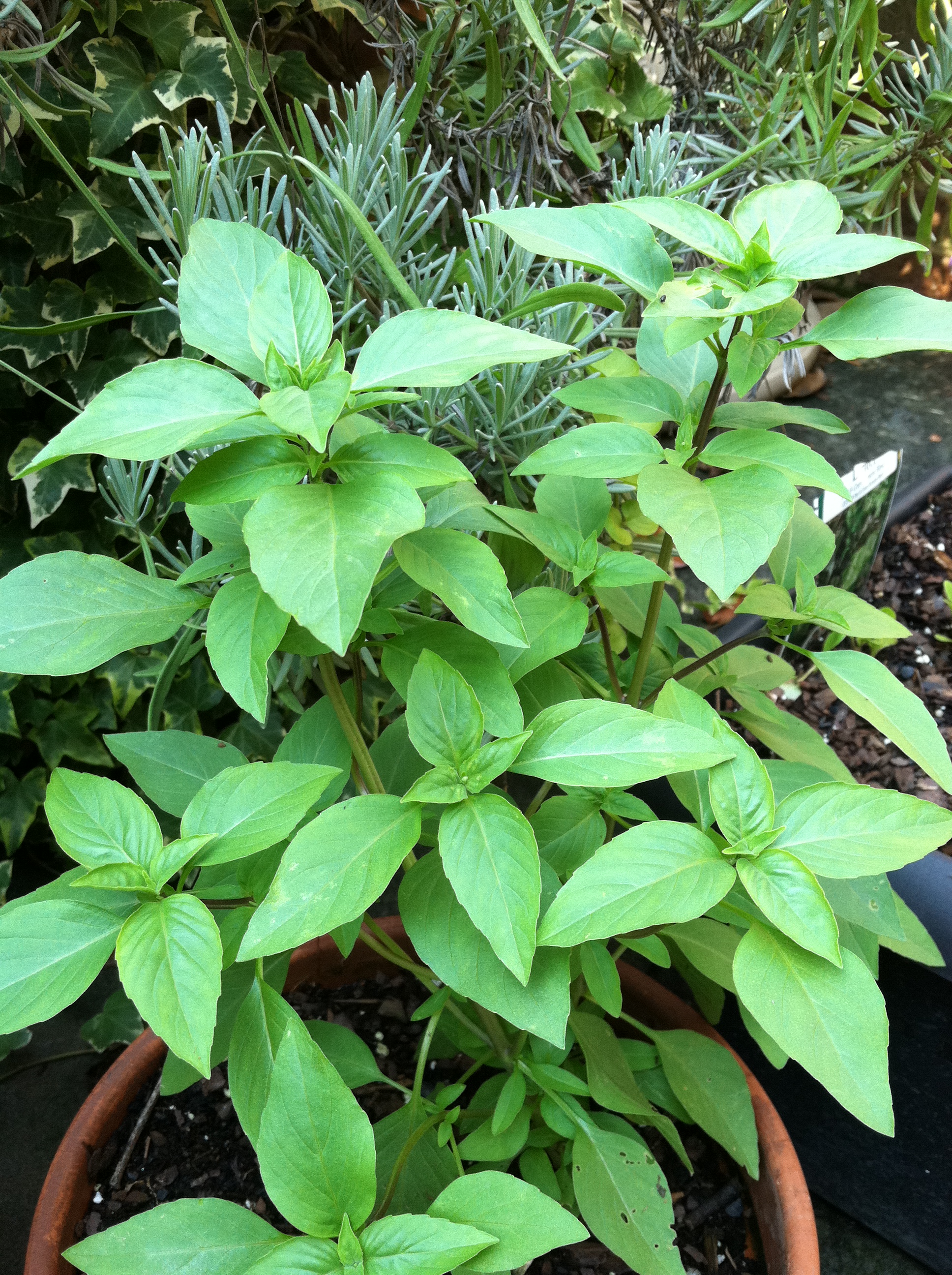
Thai basil

Having access to fresh herbs is not only wonderful, but a great time and money saver as well. See my article about growing your own herbs here. There is a lot of information and links to buying herbs and other products from trusted sites.

Make perpetual vanilla extract

I posted an article about how to do this recently. You can access “How To Make Vanilla Extract”here.

making vanilla extract

Doing this is so easy and the flavor of this extract is far better than anything you can buy, even the best vanilla extract out there.

Just be sure to start with quality ingredients and be patient for 6 months. You will then have a lifetime supply.

Coming in Basic Knowledge Part 2:

  • Learn to make a simple loaf of bread
  • Make flavored vinegar and infused oils
  • Create your own favorite Fresh Vinaigrette to use for salads, marinades, or dips

And much more.

Is there anything YOU want to learn about? Leave a comment and let me know.

Farmers Market

Local, sustainable, organic, the buzz words of foodies everywhere. Do we really know where our food comes from? How does it end up on our plates? Who are the people that actually grow our food?

I decided to do to the big farmer’s market here in Charlotte to find out. Charlotte has many small markets that pop up all over town on different days of the week.

There is a popular one just a few blocks down the street from the house and then there is another HUGE one out by the airport. That’s where I went; The Charlotte Regional Farmers Market on Yorkmont Road.

The market opens at dawn on Saturdays. Every time I was there before, there were always treasures. Today was no different.

I bought a bounty of goodies. French red sparkler radishes, aromatic peaches, crisp rainbow Swiss chard, pink lady apples, yummy corn relish and more.

Scuppernong Grapes

The air was filled with the heady scent of scuppernong and muscadine grapes. I think they are like eating eyeballs, but of course much more flavorful. You bite the skin open and squeeze the grape’s insides into your mouth then discard the skin and the single seed inside. The flavor is sweet, rich, full and totally unique to these grapes. Everyone should try them sometime.

I met a delightful, energetic lady who keeps herself quite busy with all the tempting relishes, pickles and treats she makes and sells at the market. Miss Virginia has been selling her wares at this market for over 8 years. I will have to visit Virginia again for another of her creations as well as to get her information. Be sure to buy yourself something when you visit Virginia at the market.

Her corn relish was great with the grilled chicken we had for dinner. . .  wait until you hear about our dinner!

She told me about her grape leaf dill pickles, which she claims is her best seller. I asked about the grape leaf and Virginia says it makes the pickles really crispy. Virginia has written her most popular and favorite recipes in a cookbook which she sells at her booth in the market. I enjoyed talking to someone who obviously enjoys the condiment world as much as I do. In fact she inspired me to buy some pickling cucumbers to put up some more before the season is gone. I’ll be making the half sour pickles.

Virginia and Grape Leaf Dill Pickles

I talked to a gentleman who grew the most beautiful radishes. We spoke about the many ways to cook them and agreed the best was was to simply dip them salt and scarf them raw. His display reminded me of the markets in France in that he used these small chalk boards to write his items and prices and laid the boards amongst the leaves.

I bought these radishes, YUM!

There was one farmer who had a very nice hand made book he was collecting e mail addresses in. It was made from leaves and found objects and fabulous hand made paper and a small bit from a palm tree decorating the spine.

The farmers were excited about the fall growing season. After a hot summer, they are glad for more hospitable growing conditions. Hopefully, as long as the frosts don’t come, there will be lots of bounty to come.

There were organic chickens, eggs, beef, lamb, pork, goat (sold out), quail, Cornish hens, bacon, country hams, sausages and more. I looked for Arcana chicken eggs but didn’t see any. These eggs are naturally laid colors: pink, green, blue, yellow with bright orange yolks. Either the hens aren’t laying or they sold out early.

I brought home an arm load of goodies. We had to cook the chard because it was too big to fit into the refrigerator. For dinner we grilled an organic chicken, sweet onions, peaches with thyme and honey, sauteed Swiss rainbow chard, Virginia’s corn relish (so good!), Lundberg Farms Brown Rice Medley, grilled French bread with olive oil and rosemary.

I think I need to stretch my belly. Here are some pictures I took today.

Apples on display

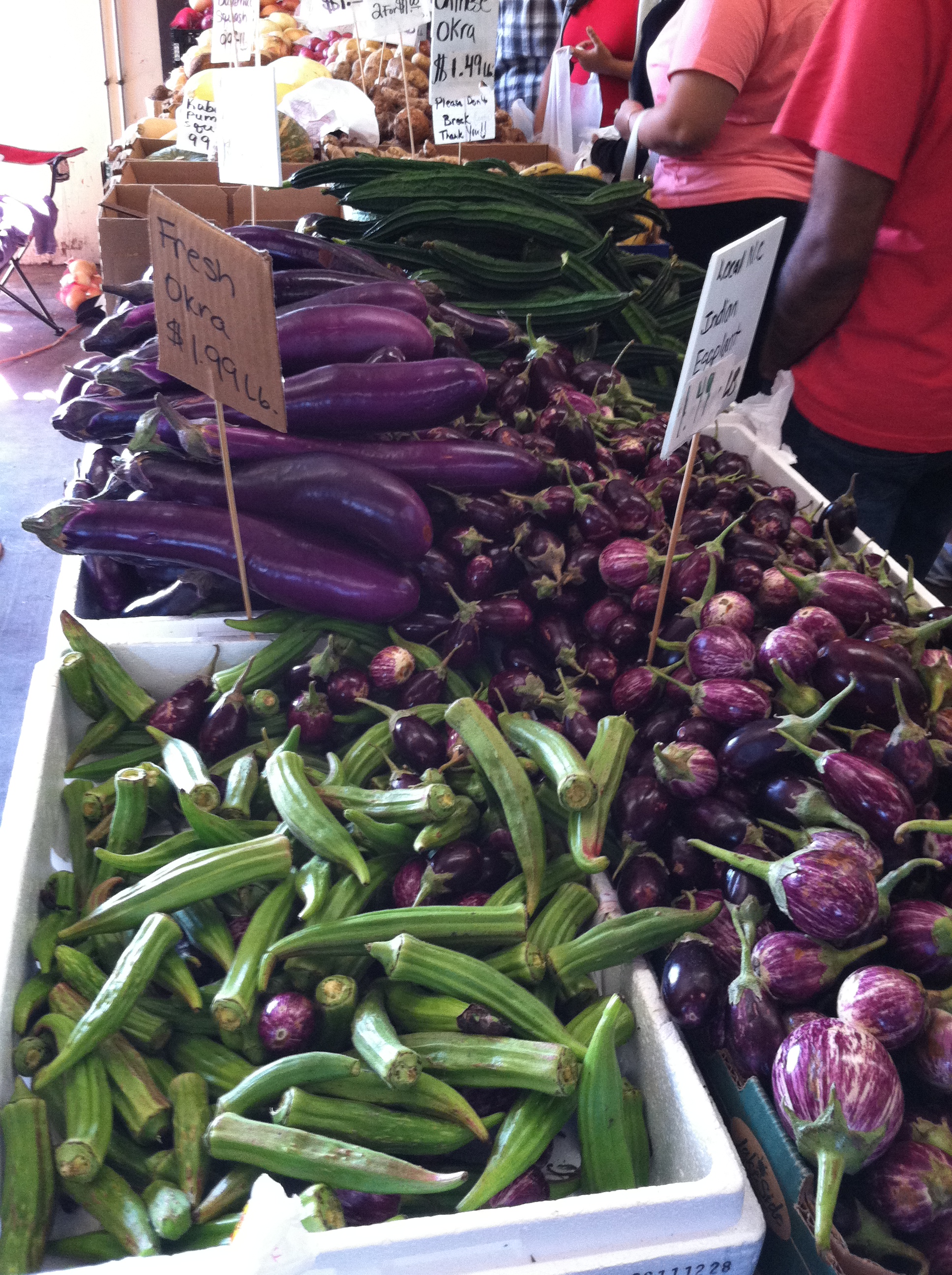
Eggplant varieties

Multi colored Carrots (I bought these!)

I bought this rainbow chard too

Well stocked

I bought all this and more

If you haven’t been to a farmers market lately, go. These people are the heart of our country, they grow YOUR food!

Go meet them, talk to them, learn what is in season, ask how they cook it if you don’t know how.

Get on their e mail lists and they will tell you what they have an how much. Reserve what you want before it gets sold out. I do this with Cornish hens. Your food comes from somewhere other than the grocery store. Go discover where your food is grown, meet the farmers and feel good about using local and sustainable resources. Supporting local will improve local economies, but that is another post.

Let me know what you find at your farmer’s market! Click Farmers Market here for a listing of markets in the Charlotte area.

Food Thoughts

This is the time of year that the wonderful warmth of summer gives way to cooler nights slowly drawing into cold with winter approaching in the not too distant future.

The garden is trying to push out the last tomatoes and jalapenos; the lettuces are just coming in again since they love the cooler weather anyway.

It is time to harvest seeds from the chives and and basil plants. I grow Thai and sweet basil every year. Thai basil is not the easiest to find so once I had a plant that went to seed, I just harvest the seeds for next year. I no longer have any issues with finding Thai basil.

I thought about pulling up all the plants yesterday but couldn’t bring myself to do so with lots of fruits still in stages of development. Even though the plants look horrible this time of year, they are still trying to produce; an effort I have to honor.

The last tomatoes

I love to make soups and stews this time of year. Especially using the local fall produce; squashes, pumpkins, root vegetables that make fabulous dishes. The various squashes are full of fiber and great vitamins and minerals, they make great decorations on your table or counter before you cook them.

October and Halloween! Caramel apples, popcorn balls, apple cider, bonfires, “somores”, toasted marshmallows on a stick, crisp fall air and softly falling multicolored leaves. I adore this part of the season.

October is a month of change. Time to think about the end of the year, what we have done and what still needs to be done. Luckily, with the advent of cooler weather, strapping on the running shoes gives the opportunity to sort it all out while clearing the brain through exercise.

I suppose it has a lot to do with my birthday that comes on the 20th of the month. I find I want to exercise more and reflect on goals and accomplishments with the hopes  and intentions of being in a better place when the aging day arrives.

What does October conjure in you?

Sardine and Anchovy Pasta

Charlotte Cooks

I hope you enjoy watching the show! Here are the recipes from the featured episode.

Sicilian-Style Sardine and Anchovy Pasta with Bread Crumbs

Ingredients

For the bread crumbs:

  • 1/4 cup plus 3 tablespoons extra-virgin olive oil
  • 8 cloves chopped garlic
  • 1 1/2 cups bread crumbs
  • 1/2 cup chopped flat-leaf parsley
  • 1 teaspoon each, coarse salt and coarse black pepper

For the pasta:

  • 2 Tablespoons olive oil
  • 4 oil packed anchovy fillets
  • 2 four ounce tins of sardines, packed in oil
  • 1/2 pound linguini or spaghetti, cooked to al dente in salted water, drained and cooled with cold water to stop cooking.

Directions:

To a large skillet preheated over medium heat, add 1/4 cup extra-virgin olive oil, and chopped garlic.

When you can smell the garlic add bread crumbs.

Stir bread crumbs until deeply golden in color.

Add parsley and a liberal amount of salt and pepper, about 1 teaspoon of each. Remove bread crumbs from the hot pan, put them in a bowl and set aside.

Return skillet to heat and add 3 tablespoons extra-virgin olive oil.

Add anchovies and sardines to the pan and sauté over medium heat 2 or 3 minutes.

Add hot, cooked pasta to the skillet and toss with sardines.

Add bread crumbs to the pan and toss thoroughly to combine and evenly distribute the mixture. Adjust seasonings to taste with pepper and salt.

Taste before adding salt as the anchovies typically are salty. You may not need to add any more.

Top it all off with a shaving of a good quality of Parmesan cheese.

Enjoy!

Oven Fried Chicken Fingers and more

Charlotte Cooks

Oven Fried Chicken with Fresh Cole Slaw, Mango Salsa and Salt and Vinegar Roasted Potatoes

Recipes

Oven Fried Chicken

  • 2 boneless chicken breasts, cut into fingers
  • 2 cups buttermilk + 2 additional cups, keep separated
  • 2 cups all-purpose flour
  • 2 cups panko
  • 2 Tablespoons Montreal Steak Seasoning
  • ¼ cup Olive oil

Preheat oven to 400°F

Cut the chicken into fingers.

Marinade 30 minutes in 2 cups buttermilk.

Remove from buttermilk and pat dry.

Lightly season the chicken with salt and pepper.

Set up a standard breading station.
3 containers:
#1 is flour
#2 is 2 cups buttermilk
#3 is seasoned panko (season the panko with Montréal steak seasoning)

Here’s the set up:

Pan #1: Flour, seasoned    Pan #2 Buttermilk    Pan #3 Seasoned Panko Breadcrumbs   Pan#4 Sheet pan for breaded chicken

Dredge each finger in flour, then buttermilk, then panko. Making sure each finger is well coated on all sides.

As each finger is coated, place on a parchment lined baking sheet.

Drizzle each finger with a small bit of olive oil.

Place sheet pan in oven and bake the chicken until golden brown; usually about 20 minutes.

Ovens vary so watch yours.

The internal temperature should reach 165°F on a food thermometer.

Keep warm in a 150° oven. Do not cover so the chicken remains crispy.

Coleslaw

  • 1 bunch scallions
  • 1 teaspoon celery seed
  • ¼ cup mayonnaise
  • 2 tablespoons seasoned rice wine vinegar
    • There are 2 kinds of rice vinegar; seasoned (with salt and sugar) and unseasoned. Read the labels and choose seasoned for this recipe.
  • 1 tablespoon sugar
  • 1 pound bag of tri-color coleslaw mix
    • Or thinly slice cabbage, carrots and some red cabbage for about 1 pound total weight.
    • Salt and pepper to taste

Choose a large bowl; Allow lots of stirring room.

Slice scallions, place into the bottom of the bowl.

Add the celery seed, mayonnaise, rice wine vinegar, sugar and whisk to smooth.

Slice the cabbages and carrots and add to the dressing.

Stir to coat.

Adjust flavors with salt and pepper if needed.

Allow to sit for at least one hour in the refrigerator before serving to allow flavors to meld.

Stir well before serving.

Mango Salsa

  • 1 pound mango slices, fresh or jarred mango, cut into medium dice
  • ½ sweet onion, small dice (like Vidalia)
  • 1 small diced jalapeno,
  • ½ cup sweet grape tomatoes, cut in half
  • 2 tablespoon seasoned rice wine vinegar
  • ½ bunch chopped cilantro
  • ½ bunch chopped scallions
  • Salt and pepper to taste

Cut all fruits and vegetables, combine everything in a bowl and serve.

Salt and Vinegar Roasted Potatoes

  • 3-4 small red potatoes per person
  • 1 tablespoon salt
  • ¼ cup Olive oil
  • 1 teaspoon Kosher salt

2 ounces Malt vinegar (you may use more or less depending upon your taste)

Place the potatoes into a saucepan, cover with cold water and bring to a boil.

Salt water once boiling begins.

Cook until done.

Drain and place on a clean kitchen towel.

Cover and whack each potato with a rolling pin to break it open but not smash it flat.

Place the smashed potatoes on a baking sheet, drizzle with olive oil.

Place in the 400° and bake about 35-40 minutes until the edges start to turn golden brown and the skins are crispy.

Remove from the oven, place in a serving bowl.

Sprinkle salt and malt vinegar over the potatoes and serve warm.

Spatchcocked

This technique tends to draw giggles and silly voices from people who don’t know what it is. This technique is quite simple and brings great results. I prefer it over trussing and roasting.

All you have to do to spatchcock a bird is to remove the backbone and the sternum and lay the bird out flat.

Simply said, now how?

Take a good pair of poultry shears and a whole bird. On either side of the triangle bit at the end of the spine, start cutting along the backbone. Be careful not to cut into the thigh or breast meat. The hip joints will be the hardest but cut between the joints rather than cutting the actual bone. Although the bones are hollow and easy to cut, be careful. If you are doing a turkey, you will need some strength as simply by being larger, they take more muscle that say a quail.

One the backbone has been removed, open the bird up and lay it flat, inside up, skin side down. Now you are looking at the inside of the bird. Using a good sharp boning knife or chef’s knife, make a slit in the cartilage between the breasts. Try to bend the bird backwards and the breastbone will literally pop loose. Then all you do is pull it out.

There will still be rib bones attached but you want those to still be there. Rinse the bird, lay it out flat. With the backbone gone and the breast bone removed, the bird should lay out nice and flat.

Season the inside of the bird, flip it over. Pat the skin dry, rub a small amount of oil over the skin and then rub it well with seasonings. My favorite seasonings are salt, pepper, Montreal steak or chicken seasoning, and paprika. Paprika will help make the skin crispy.

The seasoned bird can now be cooked either on a grill or roasted in the oven on a rack over mirepoix (50% diced onions, 25% diced carrots, 25% diced celery) at 375 Degrees F.

If grilling you will want to use the indirect method and keep the heat between 350-375 degrees F and no direct flames under the bird. Grill it skin side up for about 2 hours, keep checking so the bird does not burn.

Either in the oven or on the grill, cook until the internal temperature reaches 165 degrees F. So yes, you will need a real food thermometer that is correctly calibrated.

The bird is easily carved after it is cooked. Let the bird rest for about 20 minutes after removing it from the grill or the oven. Use a sharp knife to separate the leg and thigh and then to cut the breasts in half unless you want to leave them whole.

During this time, if you roasted the bird in the oven you can make some pan gravy from the mirepoix and drippings. If you grilled it, have some nice condiments

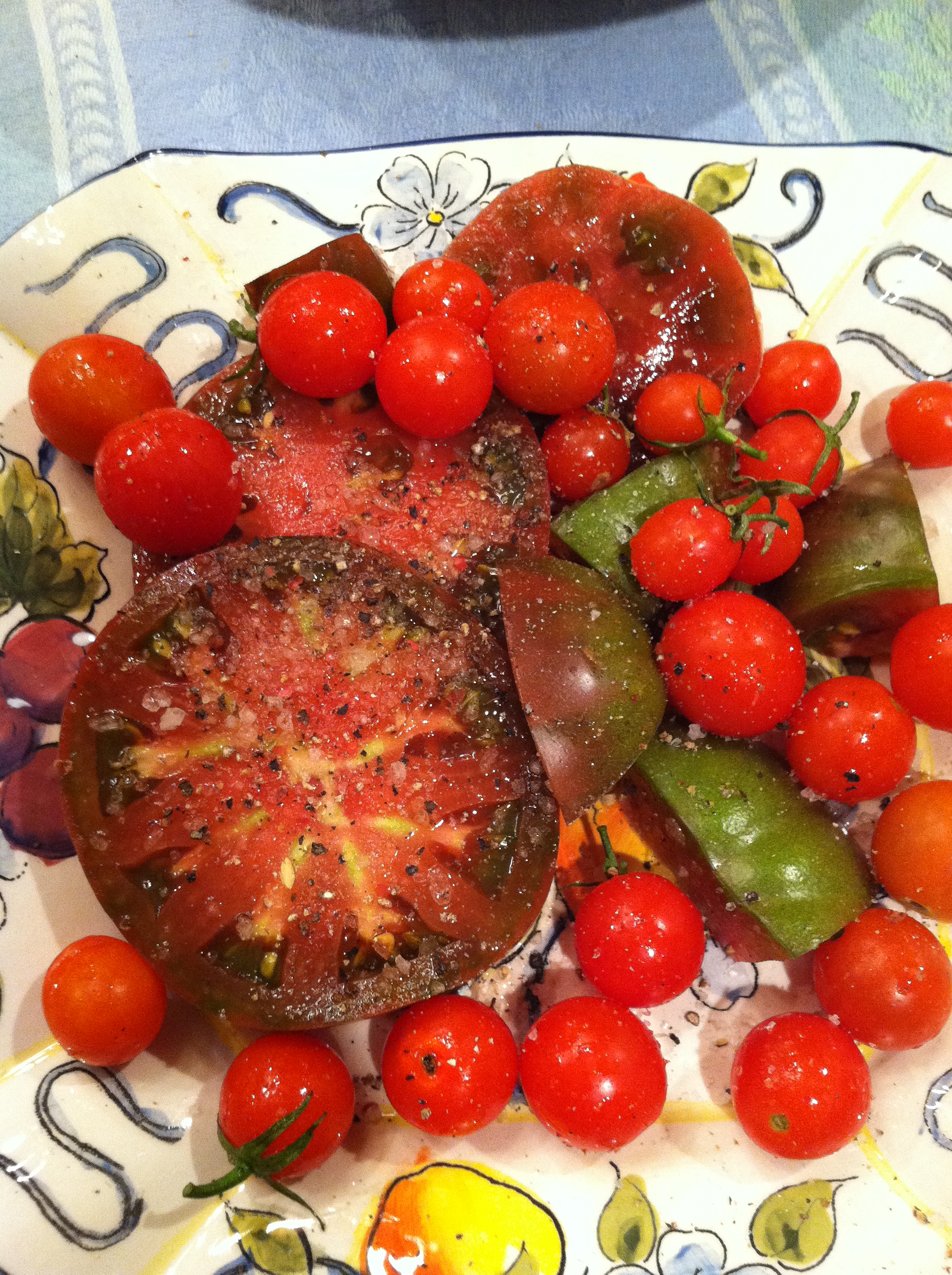
Heirloom Tomato Salad

or salsas to serve with the bird.

The spatchcocking technique can be used with anything that flies; squab, quail, partridge, grouse, duck, chicken, Cornish hens or even turkey if you are strong enough to wrestle with removing the breastbone and laying the bird out flat. (Yes, I know turkeys do not fly but hopefully you get the idea.)

This 18th century technique probably prompted giggles from the first time it was named. I have no idea where the name came from but the technique is a rather nice way to cook a bird.

Try it, let me know how it works out for you!