How To Section Citrus Fruit

Cutting citrus fruit into sections, also called a supreme, is a basic skill.

Culinary students should learn this skill in the first class they take.

However, with that said, I find it odd that in class some students don’t know how to section citrus fruit, even in an advanced class.

I also observed this student who once shown how to do it, passed it on to another team-mate to complete. They in turn, did something else. Not being my class, all I could do is observe and makes notes to myself.

Note to self: Knife Skill Test; Measurement Test for class. If you are a student, consider this heads up!

The process is quite simple and the technique applies to all citrus fruits.

If you are going to want the zest for anything, remove the zest before removing the peel. Personally, I like to dry the zest and keep it handy for quick flavor blasts in a bland dish.

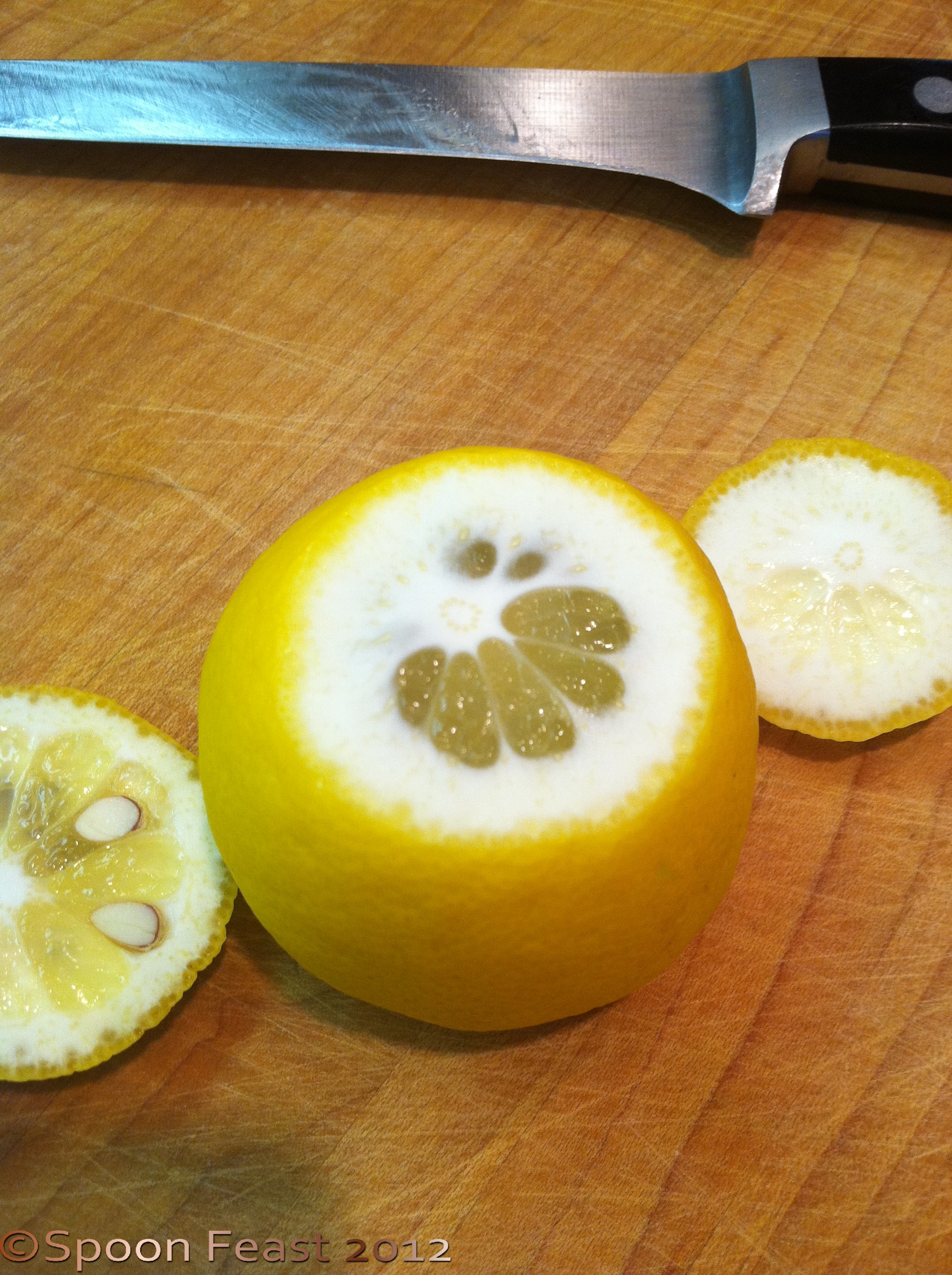
Cut the top and bottom from the fruit.

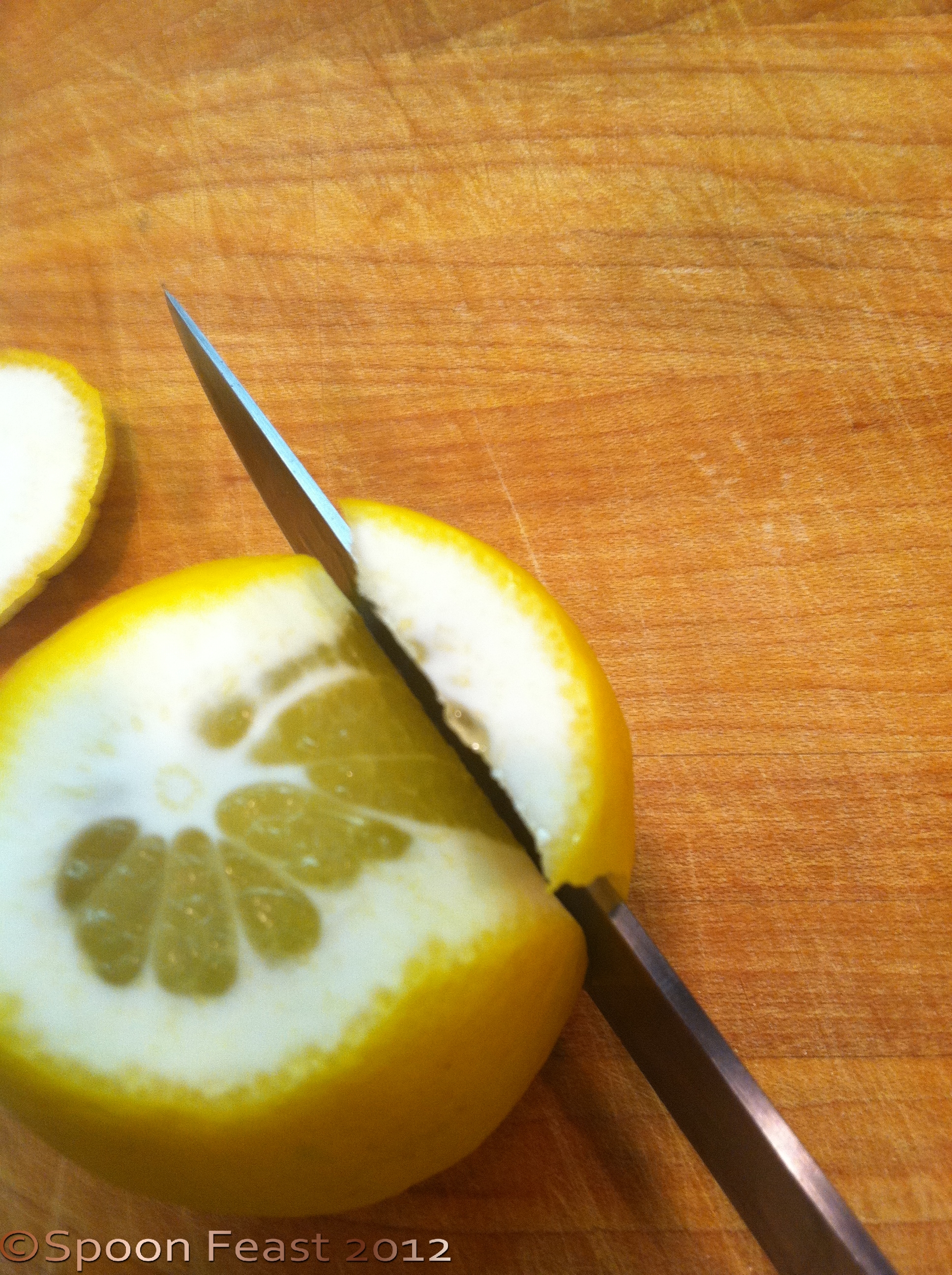
Cut the peel down the side, removing the pith and exposing the inner fruit.

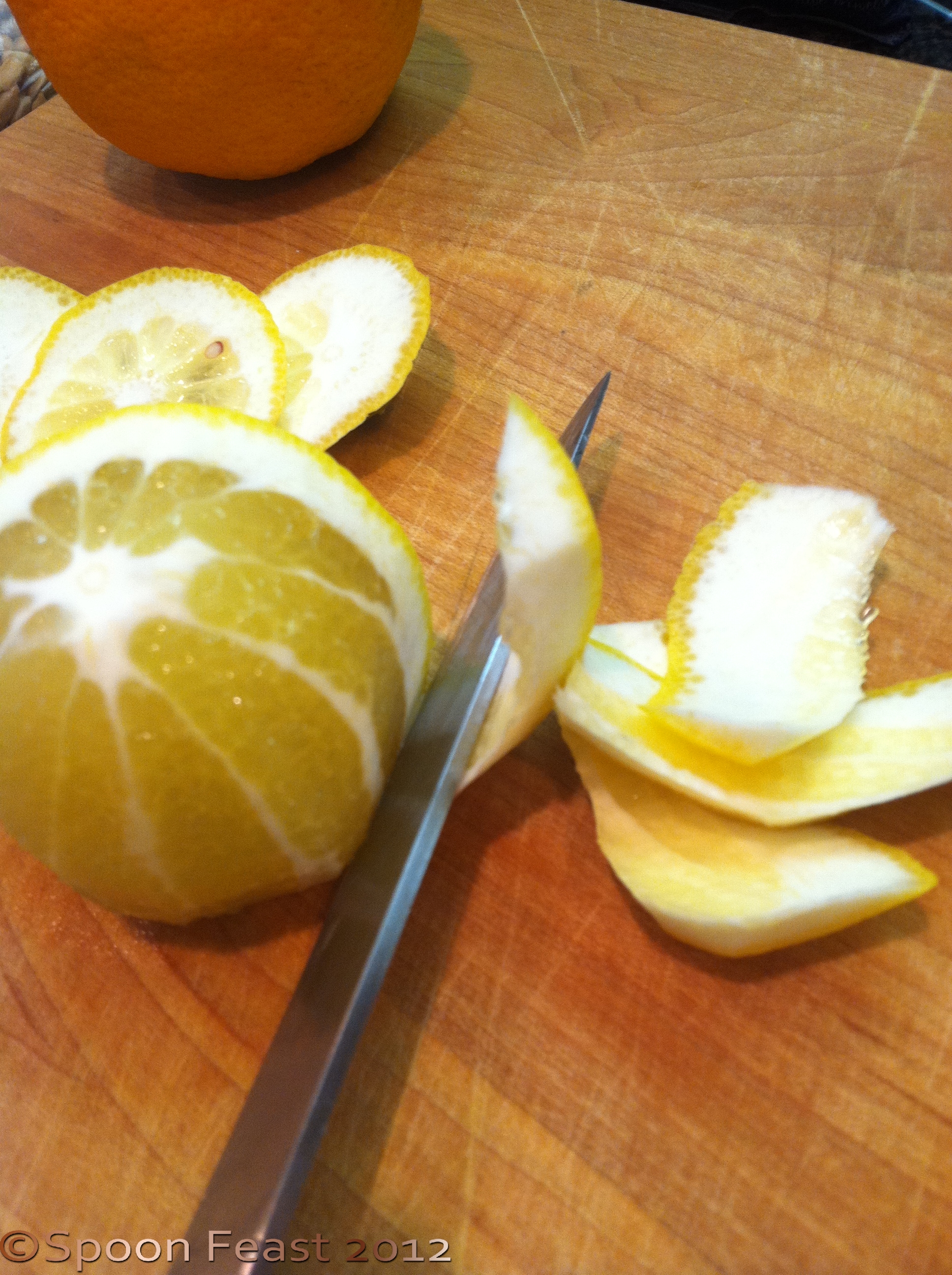
Cut the peel away all around the fruit.

Work over a bowl to catch all the juices that drip while you cut the fruit sections out.

Remove the sections

Using a sharp knife, cut between the membranes and slide the cut section into a bowl.

Continue all around the fruit until all sections are removed. Squeeze the juice into the bowl with fruit sections.

Discard remaining peel, any seeds and membrane.

All used up.
For total mileage, roll it in salt and give your copper pots a polish.

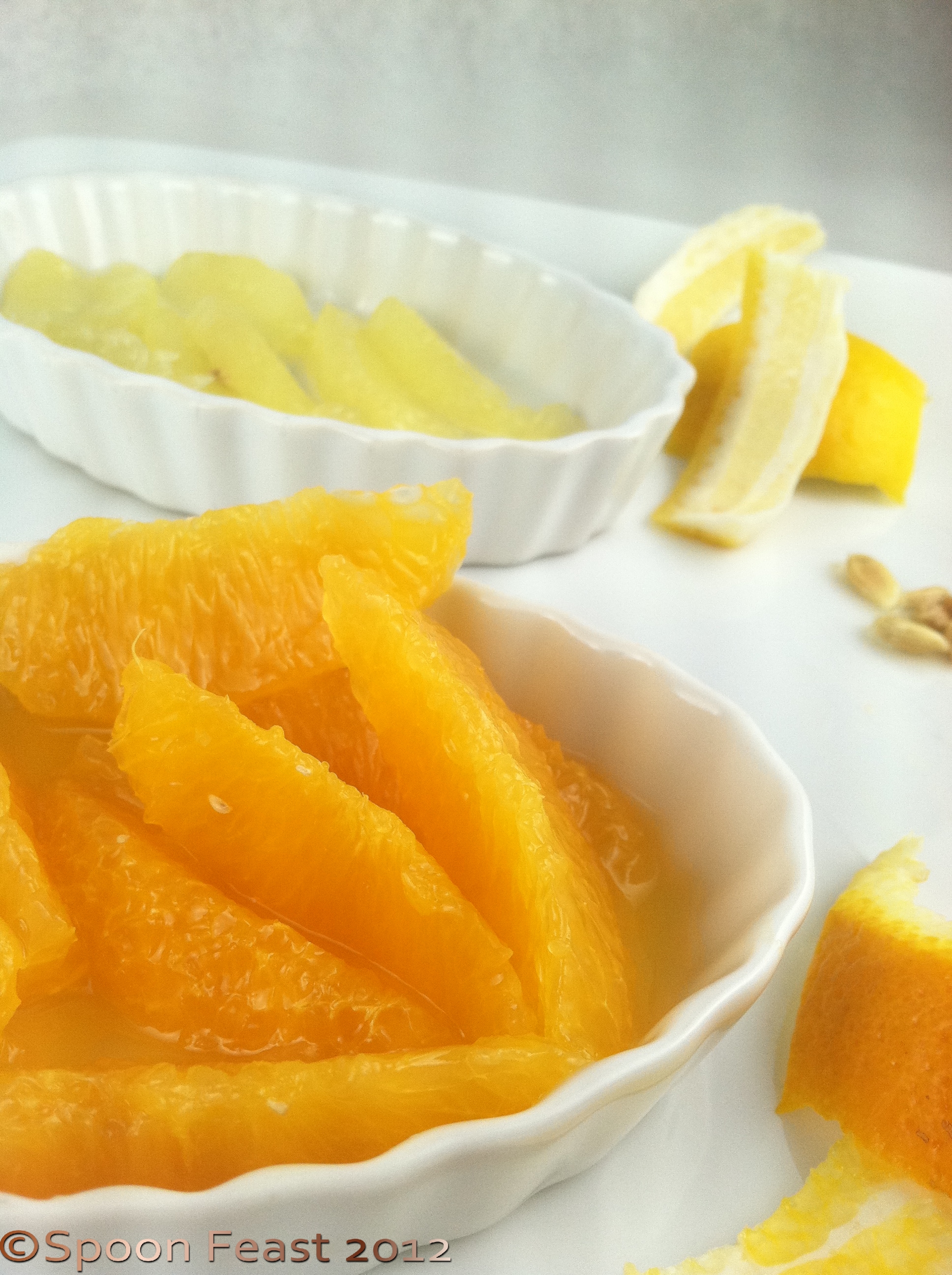
The sections should be free of seeds, pith and peel.

Use them in salads, salsa, on grilled or fried meats or poultry or seafood.

A bowl of citrus segments is really nice with vanilla ice cream or to accent fruit desserts.

Orange and lemon segments

Refreshing!

Baking from a Box


My friend Joanie asked me if I would make up a batch of cupcakes from a box mix. She was curious about whether they would live up to the name associated with the high-priced mix.

“Would it be the same if I made it vs. a professional chef?” she asked.

Presenting me with the challenge of using a boxed mix I told her I would give it a whirl.

She wants to know:

Would I make any changes to the directions?

Is it easy like baking from a box promises?
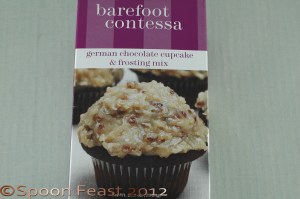
Are the results as promising as the names on the box: in this case, Ina Garten, the Barefoot Contessa and the German Chocolate Cupcake and Frosting Mix.

The mix is distributed by Stonewall Kitchens although nowhere on the box does it say where the mix was put together.

So, here goes.

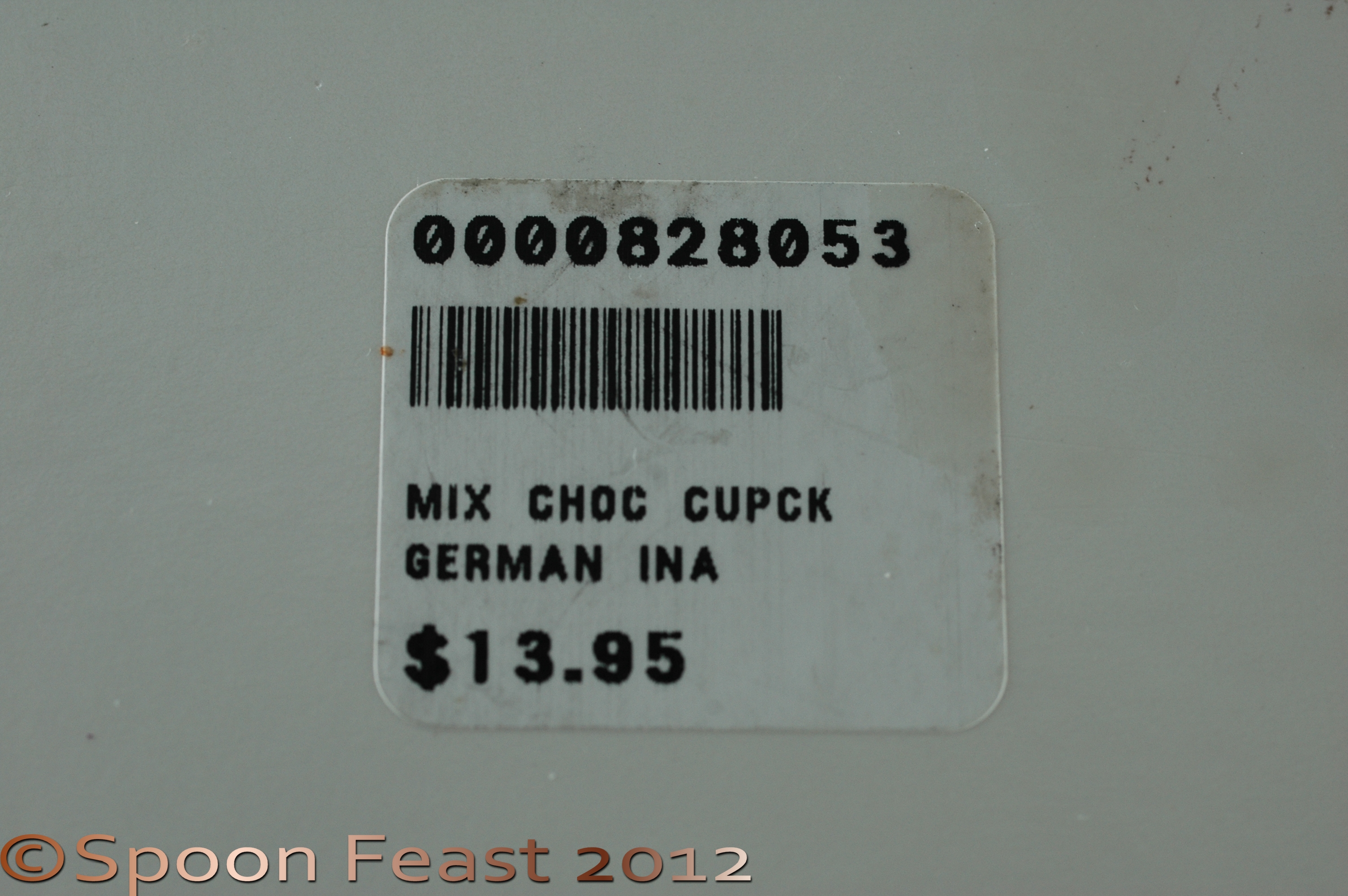
First, the mix costs $13.95 for 12 cupcakes.

My first thought is “expensive”. Is it worth the money?

I notice the frosting mix contains cornstarch which is something I wouldn’t use as in my opinion, it is a cheap way out of proper thickening techniques. But we will see.

Inside the box are three bags: one contains the chocolate cake mix, another granular frosting mix and lastly, a small bag of sweetened shredded coconut.

I need to supply:

  • 1-1/2 sticks of butter
  • 2  whole eggs
  • 2 egg yolks (I see macarons in the near future!)
  • 1/2 cup heavy cream

The directions seem to be simple enough, so I pull the eggs and butter from the fridge and go for a run while they come to room temperature.

Instead of using plain cups for the cupcakes, I am going to use the fun flower ones I found out shopping one day.

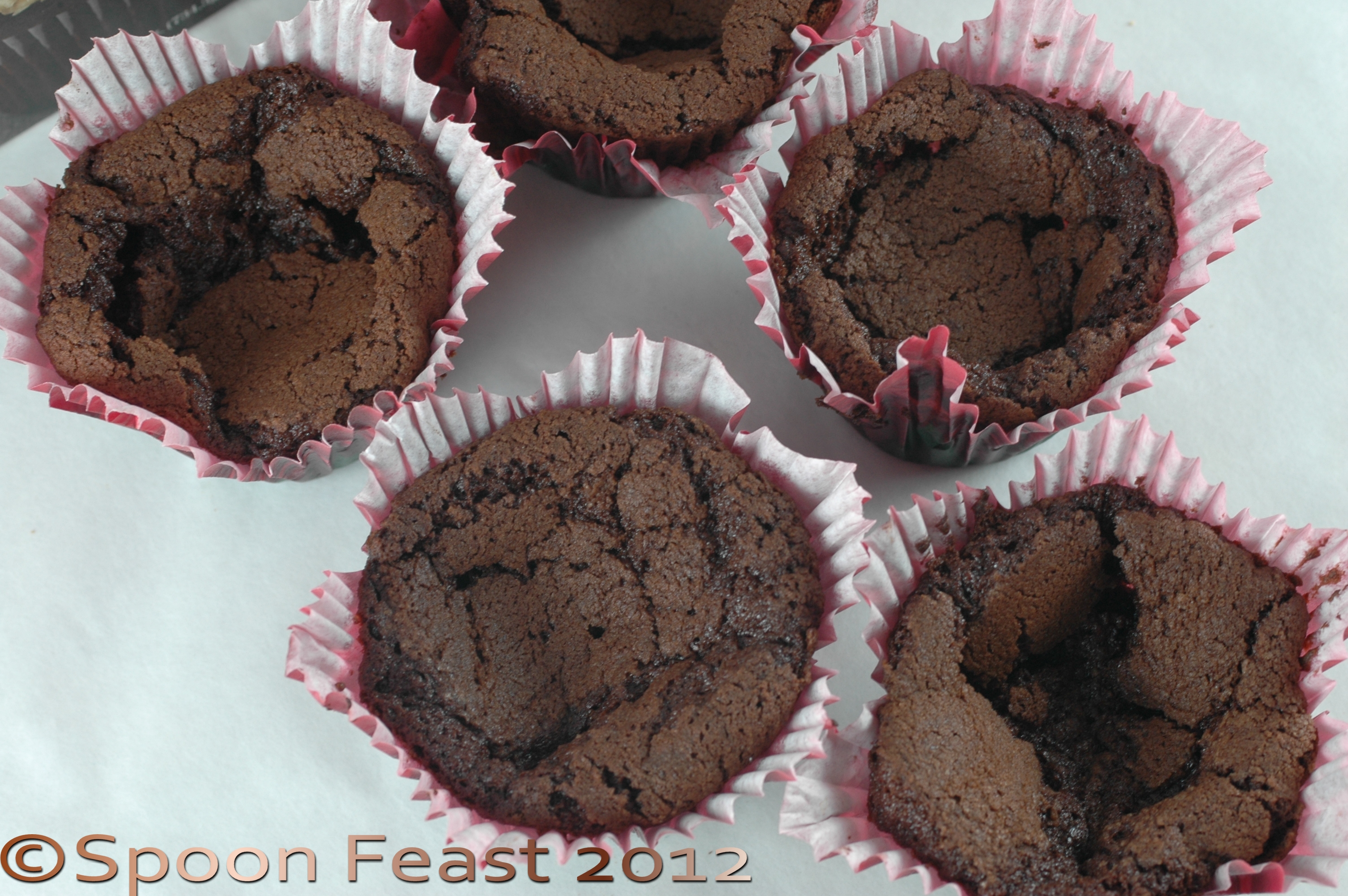
Fast forward to finished baking these. All I can say it they are definitely NOT worth the price, let alone the extra cost of a fancy paper cup. Not only did they not turn out, they were also hard as rocks one they cooled.

They also had a funny smell as they were baking. Usually when you bake chocolate, the aroma is thick in the air. The aroma from these had you checking the bottom of your shoes.

Nice expensive cupcake mix
Don’t waste your money!

Now after that fiasco, my curiosity was up, how would the normal cake mixes found in the grocery store work out?

So I hauled up to the grocery and bought one of each kind of German Chocolate Cake Mix; there were three.

All three had me supply eggs, oil and water. That’s it. Frosting was extra, but was that tiny bag of coconut in the expensive mix worth the $13? (No)

So I made each of these mixes, each mix made 24, the expensive mix made 12.

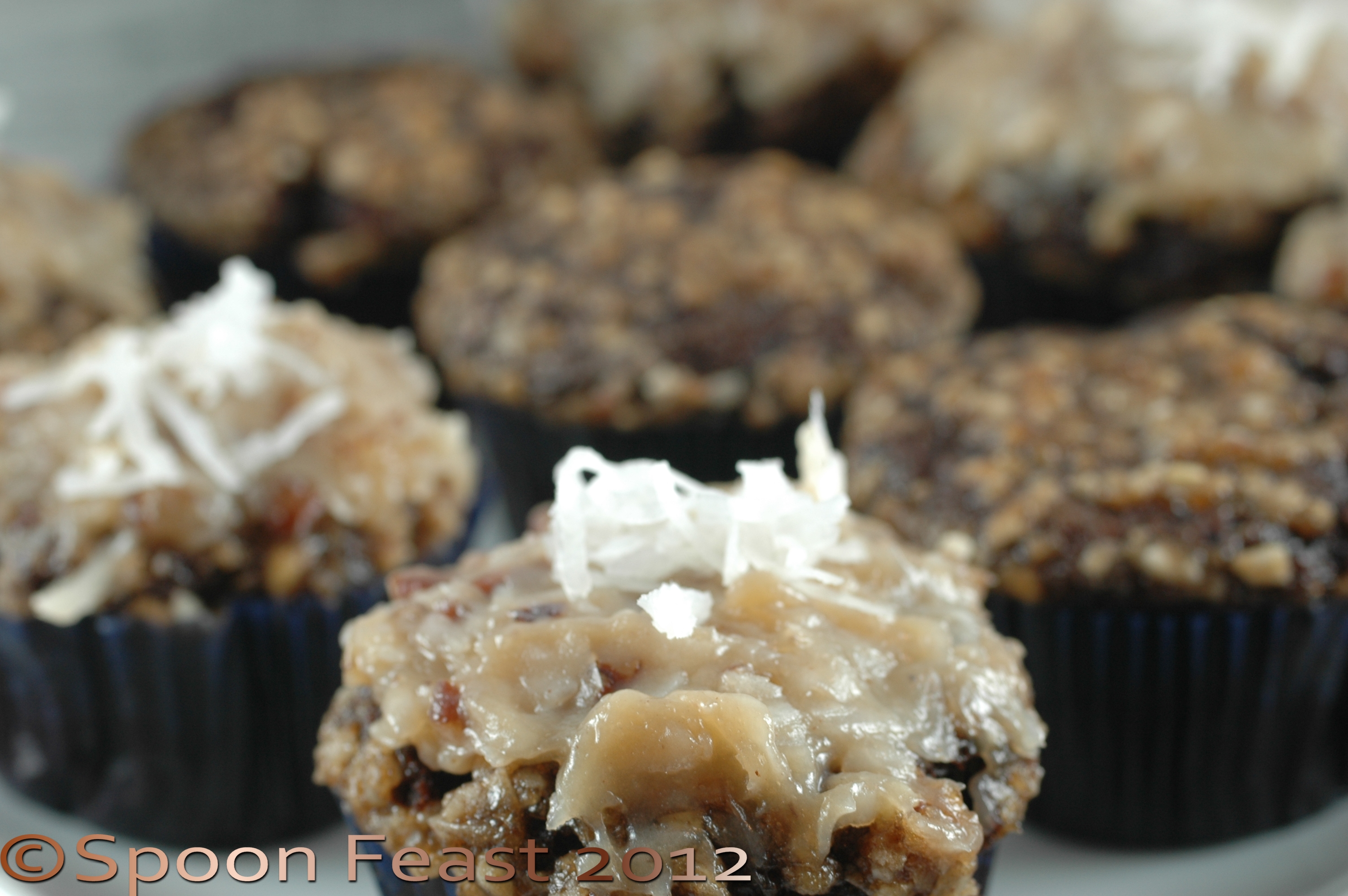
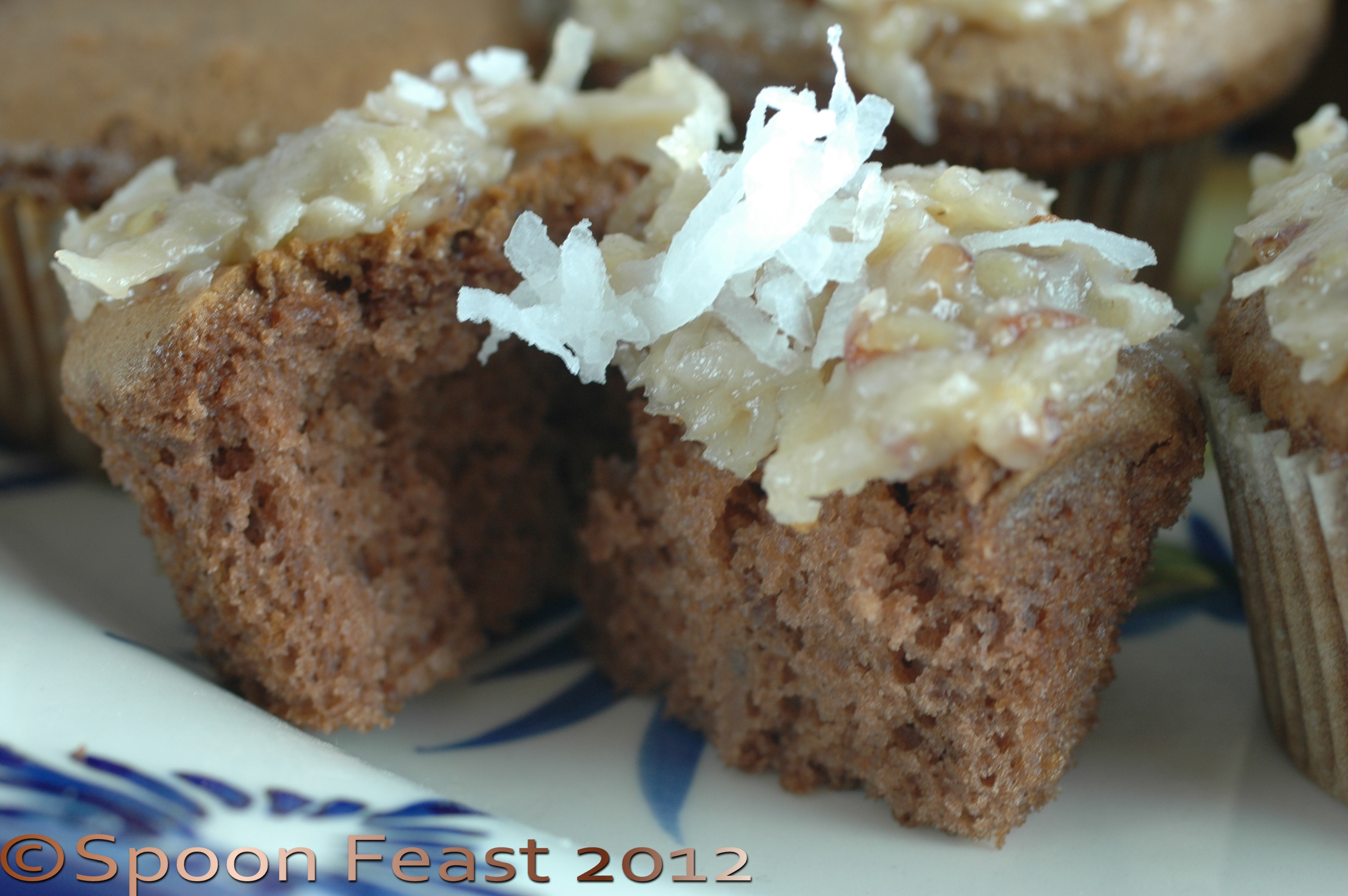
I made a quick coconut caramel frosting from scratch to frost the cupcakes with, and I used the frosting mix from Barefoot Contessa’s box. It was OK, nothing great and it looked rather dull. I’m wondering if they ever passed this box mix by Ina to see if she approved. I can’t imagine they did.

So at the end of the day, we had so many cupcakes and bowls of coconut frosting lying around, Robert was afraid of us eating them all.

I wrapped plated of the cupcakes up in cellophane and sent Robert around the neighborhood giving them to all our neighbors.

One little boy was asking his mom why they didn’t have anything good around the house to eat, like cupcakes, the night before.

When he answered the door and Robert was standing there with an entire plate of cupcakes, all he could say was “Really! Thank you! Thank you so much!” Grinning ear to ear, he disappeared into the house with a plate of cupcakes. I could imagine him hiding them in his room so his older brothers wouldn’t get any.

I love sharing the sweets I make because if I didn’t, #1, we would weigh as much as a horse, #2 I wouldn’t make them just because of #1.

And I do love to make pastries, bread and lots of great food. Sharing it is the only way to keep from wearing it.

As a side note, I did make macarons from the egg whites, I should have given away more of them. I need to add a few more miles to my running schedule.

I did figure out that if you are going to bake cupcakes, forget the boxes and make the batter from scratch. It will be cheaper by far and you will know exactly what you are eating.

My advice? Joanie, get your money back.

If you want to use a mix Duncan Hines or Pillsbury or any of the organic mixes work just fine.

My opinion is Contessa needs to go back to the kitchen to re-work her box mix.

I never would have done this if Joanie didn’t ask.

 

How to Boil Potatoes for Making Mashed Potatoes

To make perfect mashed potatoes, you need to use the right kind of potato.

Russet potatoes are the potato of choice because of their high starch, low moisture content.

Read All about Potatoes  to learn which kind you choose for different dishes.

Wash, peel and cut potatoes into uniform sizes so they cook at the same rate.

Wash and peel to potatoes. It is advisable to use 1 potato per person plus 1. Left over mashed potatoes can be used in many ways and you will be lucky if there are any left over.

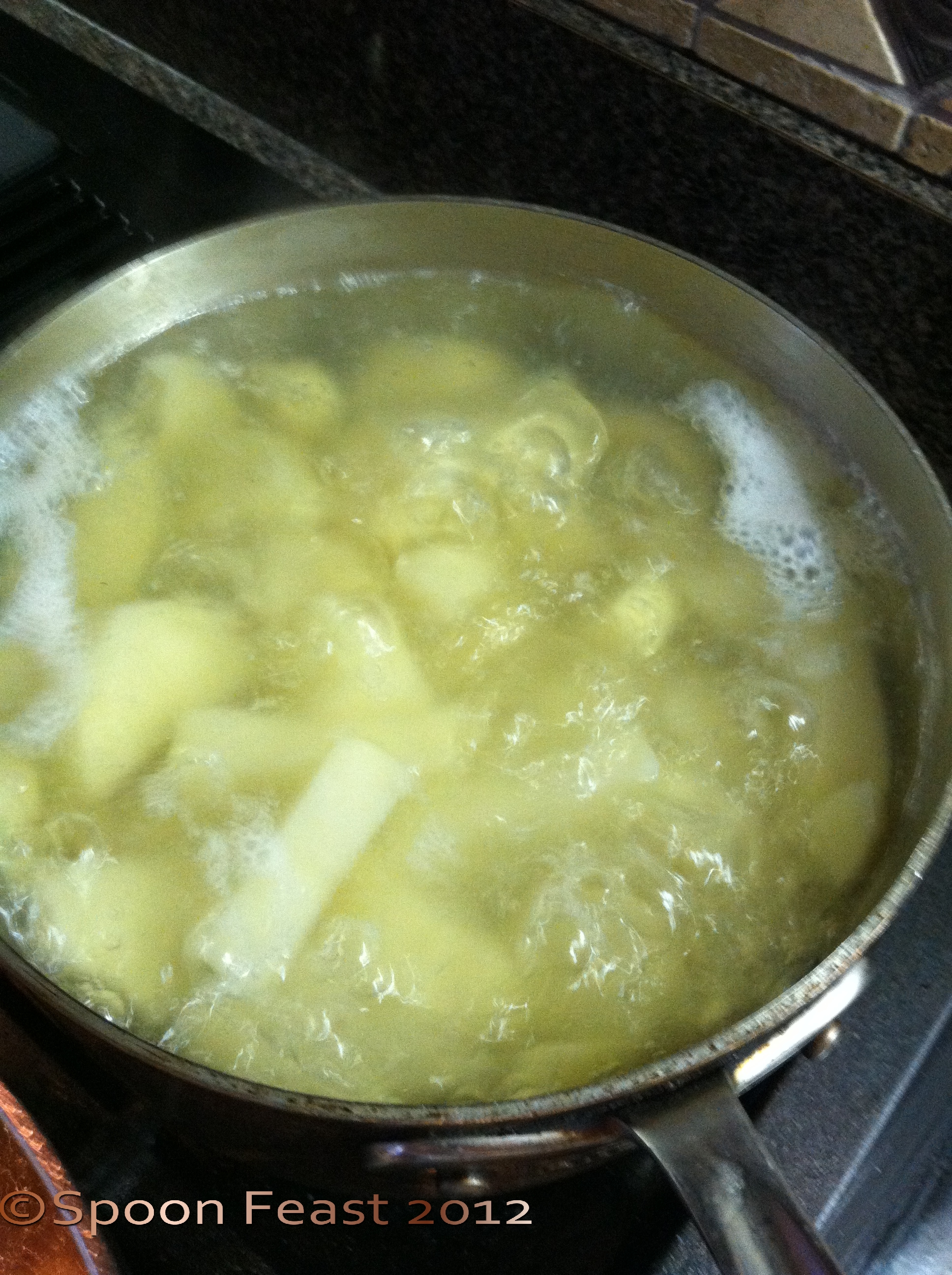
Put the cut potatoes into a sauce pan and cover them with COLD water.

Cover cut potatoes with cold water; bring to a boil.

Once the potatoes boil, add salt. Please don’t forget to add salt while boiling the potatoes. If you do, you will be left with very bland potatoes. Remember potatoes absorb flavor best while hot.

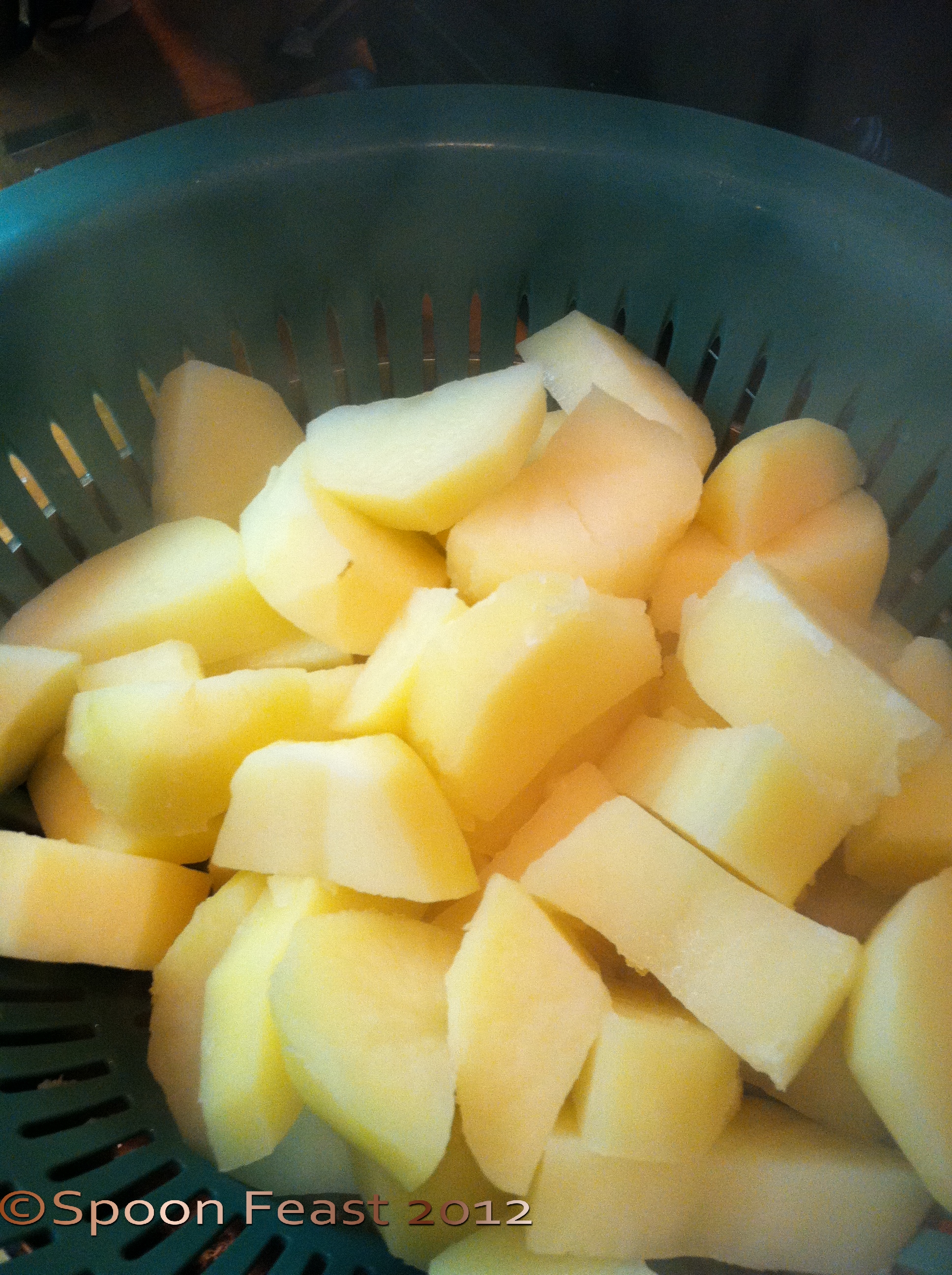
When the potatoes are cooked, drain. Process the potatoes through a ricer to produce perfect mashed potatoes.

Once the water comes to a boil. test to see how done the potatoes are. They should be almost done when they come to a boil.

Drain the potatoes when they are done.

Press the cooked potatoes through a ricer to get a fluffy lump-free texture.
A ricer is a good investment. This one belonged to Tyler’s grandmother. She used it to make spaetzle and soup noodles made with Romano cheese and lemon.

After ricing your potatoes will be light and fluffy.

In a small sauce pan, Bring 1/2-1 cup of cream to a boil. Add 2-3 tablespoons of butter to the hot cream, melt the butter. Carefully add just enough hot cream and butter to the potatoes to just moisten them and bring them together.

Be careful of over stirring which would cause the potatoes to get gluey, which isn’t very appetizing.

Adjust the seasonings with kosher salt and white pepper (so you don’t see black pepper flecks in the nice white potatoes).

Fluffy Mashed Potatoes

To serve, you can mound them with a spoon, scoop or my favorite way is to pipe them out using a smooth tip, in decorative designs on the plate.

We used to do this at the restaurant and I always loved how it looked.

These are some of the ways to pipe mashed potatoes onto a plate.

So, there you have perfect mashed potatoes.

What can you do with left overs?

Make potato pancakes, add scallions and make potato scallion cakes, use them to thicken cream soups. Use left over mashed potatoes to top a casserole or to make Shepard’s Pie.

If you wanted to make them more low-fat, skip the cream and butter and use chicken stock instead. I would still use a bit of butter, but you won’t need much.

Bon Appétit!

How to make Buttermilk Biscuits

OK Tyler,

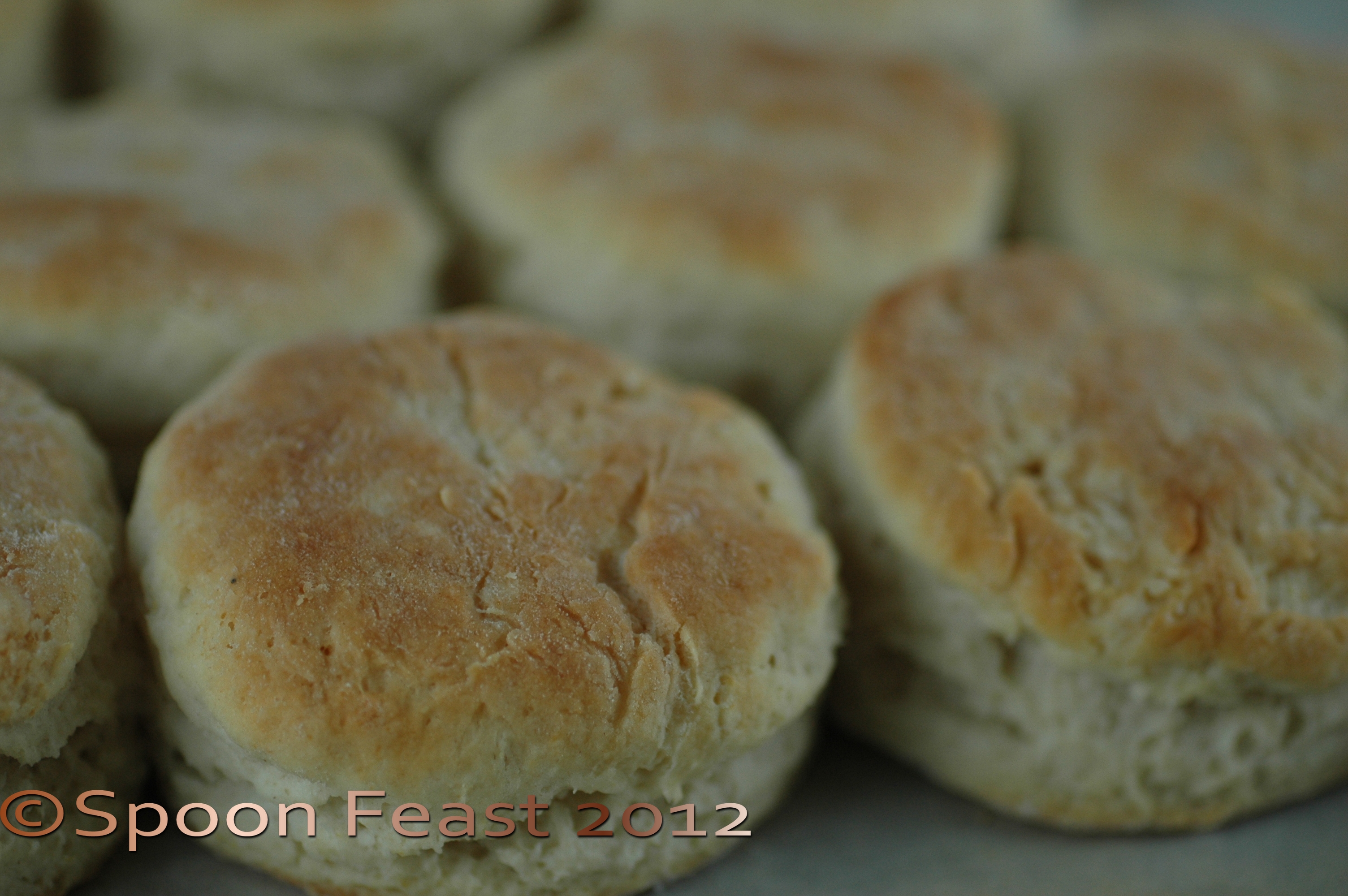
Here is how to make buttermilk biscuits. Just be careful and don’t eat too many. They have absolutely no nutritional value whatsoever. Although they do taste good once in a while.

Buttermilk Biscuits

2 cups self rising flour

4 tablespoons butter, margarine or Crisco shortening

3/4 cup buttermilk

1 teaspoon salt

Pre-heat the oven to 450°F

Measure the flour into a large bowl.

Cut the butter into the flour using a fork, two knives or a pastry cutter, until the mixture resembles very coarse cornmeal.

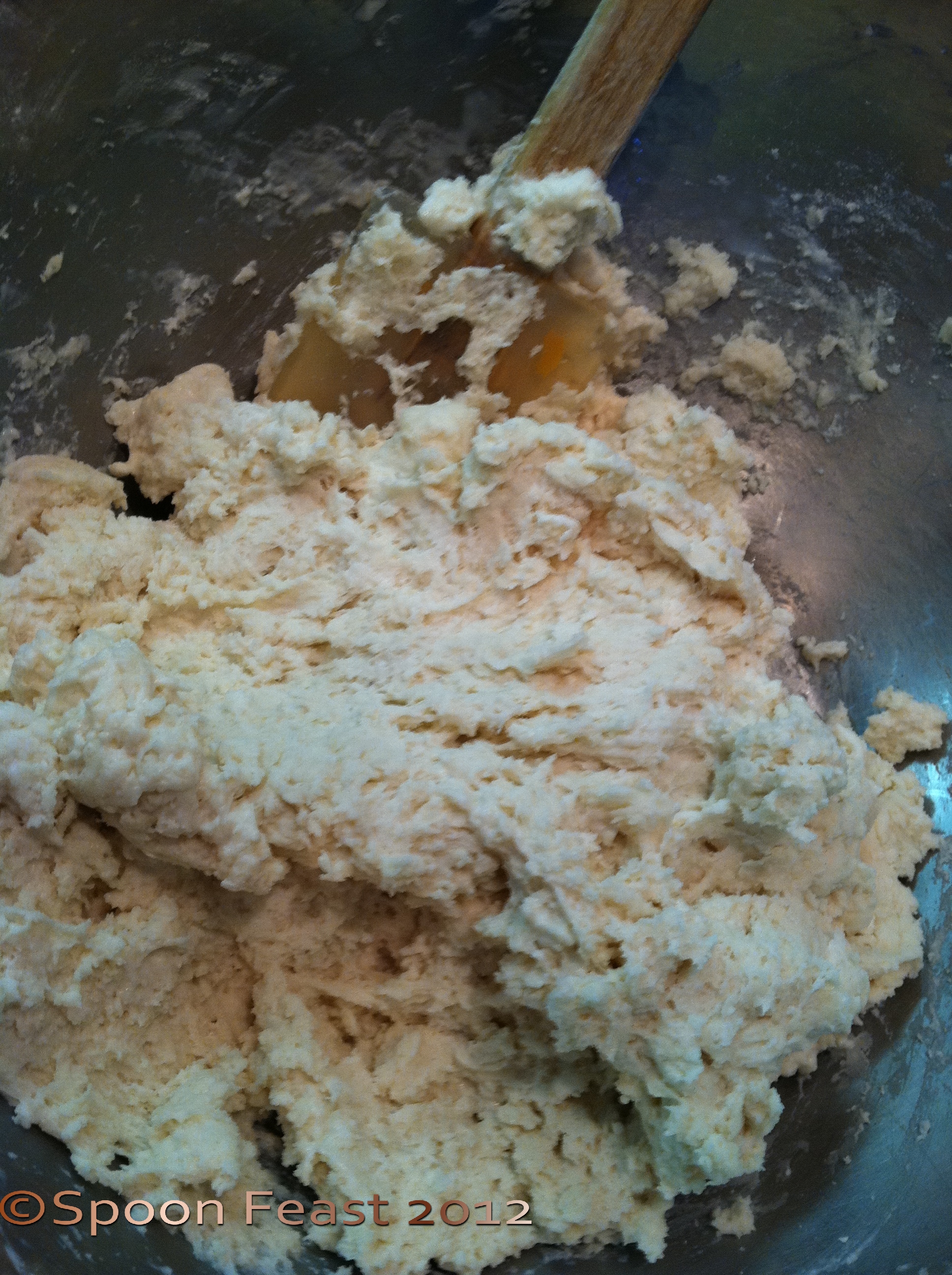
Make a well in the center of the flour, pour the buttermilk in and fold to make a sticky mass.

Don’t knead the dough like you would bread. If you do, you will have a tough biscuit. Just bring the mass together.

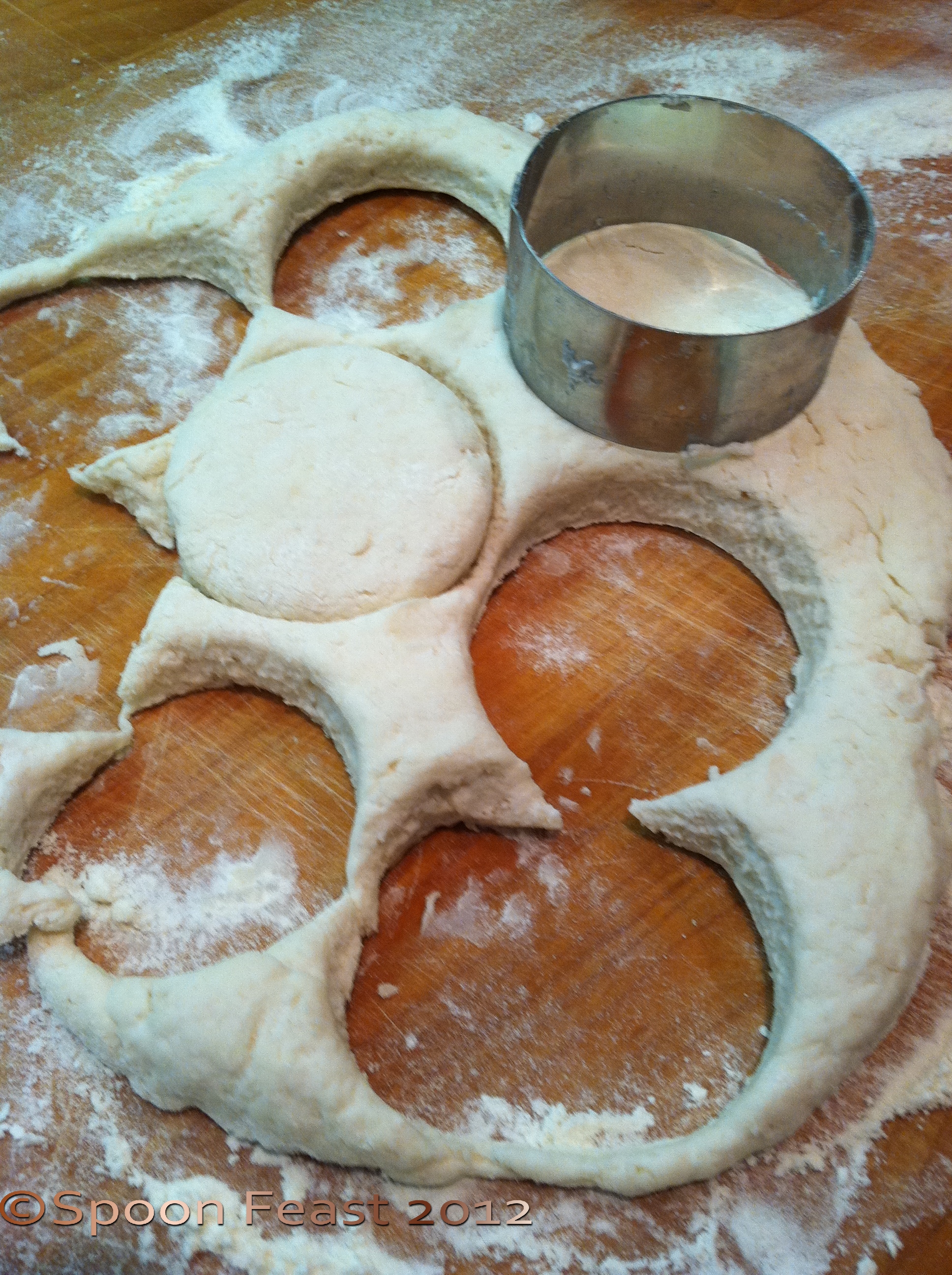
Put the dough on a well floured board and pat to about 3/4 inch thick. Using a sharp edge cutter, cut straight down.

It is important not to twist. Twisting will not allow the biscuit to rise correctly.

Place the biscuits on a baking sheet with the sides nearly touching.

Bake in the hot oven for 10 minutes. The biscuits are done when they are golden brown.

Remove from the oven and brush with melted butter.

Serve wa

rm.

Cinnamon Blueberry Almond Scones

Getting around to making scones for International Scone Week took some doing but finally, here is my dedicated scone.

Celia at Fig jam and Lime Cordial I believe started this “tradition” that now has an international reach.

There aren’t many photos as I figured most reading this would also have posted their scones and know the basic mixing process.

(Mix dry, cut in fat, add liquid, pat into shape, cut, bake)

This recipe is inspired by some pages from over 10 years ago entitled “The Joy of Baking Newsletter”.

This particular article had several scone recipes; some marked with “this is my favorite scone” so I thought it a good place to start.

Taking a basic “English” scone recipe ( less sugar) I added several elements together to create:

Cinnamon Blueberry Almond Scones

Cinnamon Blueberry Toasted Almond Scones

  • 2 cups all-purpose flour
  • 2 teaspoons baking powder
  • 2 tablespoons granulated sugar
  • 1/2 teaspoon salt
  • 1/3 cup unsalted butter, cut into 1/2 inch pieces
  • 1/2 cup half and half
  • 1 large egg

In a large bowl, combine all dry ingredients: flour, baking powder, sugar and salt.

Cut the butter int the dry ingredients until the mixture looks like coarse corn meal.

Mix the half and half with the egg.

Make a well in the dry ingredients, pour the milk and eggs into the well and mix together with a wooden spoon. Mix just until the mixture comes together.

Turn the dough out onto a floured board. Pat it into a 16×10 rectangle.

Allow the dough to rest while you mix the cinnamon sugar mixture.

Cinnamon mixture:

  • 1/3 cup brown sugar
  • 1/4 cup soft butter
  • 1 teaspoon ground cinnamon

Pre-heat oven to 400°F.

Spread the cinnamon mixture all over the 16 x 10 dough, covering it completely.

Sprinkle fresh blueberries and toasted almonds over the surface.

Roll the dough into a cylinder, pinching seams closed.

Cut into 1 inch slices.

Spray a 9 x 9 inch square cake pan with pan release spray.

Place each slice, spiral slice up, into the cake pan, fill it up with the rolled slices.

Brush half and half over the surface of each slice.

Bake at 400° for 20 minutes or until the scones are golden brown. Test doneness by using a toothpick, if it comes out clean, the scones are done.

Remove from the oven, invert onto a serving plate, flipping them again so the scones are right side up. Two plates are needed for this.

Drizzle the scones with fondant frosting and sprinkle with toasted almonds.

Fondant frosting:

  • 1 cup confectioners sugar
  • 1 teaspoon vanilla
  • pinch salt
  • 2 tablespoons half and half or enough to create the desired consistency to drizzle the scones.

Mix together to reach desired consistency, drizzle over scones.

Serve with fresh blueberries.

Now, go out for a brisk walk or run to work off all these scones!

This slideshow requires JavaScript.

Fig and Almond Frangipane Tart

Fig and Almond Frangipane Tart

This recipe has 5 stages.

You will make sweet tart dough, frangipane, and sauté figs to make a jam, blend eggs for custard and then assemble and bake a beautiful tart.

You can make this in stages or in an afternoon, whatever you have time to do.

What is frangipane? Frangipane is a finely ground mixture of almonds, sugar and eggs. It is used as a filling for fine pastries: almond croissants, Danish pastries, underneath fruit in a fruit custard pie such as this recipe.

Frangipane is very similar to marzipan which does not have eggs.

Frangipane must be refrigerated or frozen. If kept fresh, use it within a week for best flavor.

You will have some of these components left to make other things with so get creative!

Pear tarts
The Port Poached Pears are in my “Draft” box.

I had sweet dough, frangipane, and custard left so I made two smaller tarts and topped them with Spicy Port Poached Pears.

For the sweet tart dough

Yield: two 9 1/2 inch tarts
  • 1 cup confectioners’ sugar
  • 1 3/4 cups all-purpose flour
  • Pinch of salt
  • 9 tablespoons unsalted butter, softened
  • 1 large egg

Sift together the confectioners’ sugar, flour and salt into a bowl.

Place the butter into a food processor and process until smooth.

Scatter the flour mixture over the butter, add the egg and process just until the dough forms a mass; do not over mix.

Wrap the dough in plastic wrap and refrigerate at least for an hour.

Line a greased 9 1/2 inch tart pan with half the dough and chill for 30 minutes. Keep the other half for another use.

For the frangipane:

  • 2/3 cup sugar
  • 1 cup slivered almonds
  • 8 tablespoons unsalted butter, softened
  • 1 large egg
  • 1 large egg yolk
  • 1 tablespoon all-purpose flour
  • 1/2 teaspoon almond extract (optional)

Place the sugar and the slivered almonds in the bowl of a food processor and process until finely ground; about 2 minutes.

Add the butter and process until combined.

Add the eggs and the almond extract, if using, and process until smooth; about 1 minute.

Add the flour and process until combined.

Use ¾ cup for this recipe. Extra frangipane can be frozen until another use. Use fresh frangipane within a week if kept refrigerated.

For the figs:

  • 2 pints fresh figs, quartered.

Keep enough uncooked figs aside to ring the outside of the tart

  • 2 tablespoons butter
  • 1 vanilla bean, split & scraped
  • sugar to taste*

Melt 2 tablespoons butter in a large pan, add the vanilla seeds and beans and the quartered figs and sauté until they have a jam like consistency but retain their shape.

Use sugar to taste.* Often you don’t need it.

Cool the mixture.

For the custard:

  • 1 large egg
  • 2 tablespoons sugar
  • 1/2 cup heavy cream
  • 1 tablespoon Cognac (or to taste)

Whisk together the eggs and sugar in a medium bowl, about 3 minutes. Whisk in the cream and cognac.

To assemble and finish this tart, you will need:

  • One 9-1/2 inch tart shell made from sweet tart dough, unbaked
  • 3/4 cup frangipane
  • Quartered figs and sautéed figs, cooled
  • Custard mixture
  • Slivered almonds

Preheat the oven to 325°F.

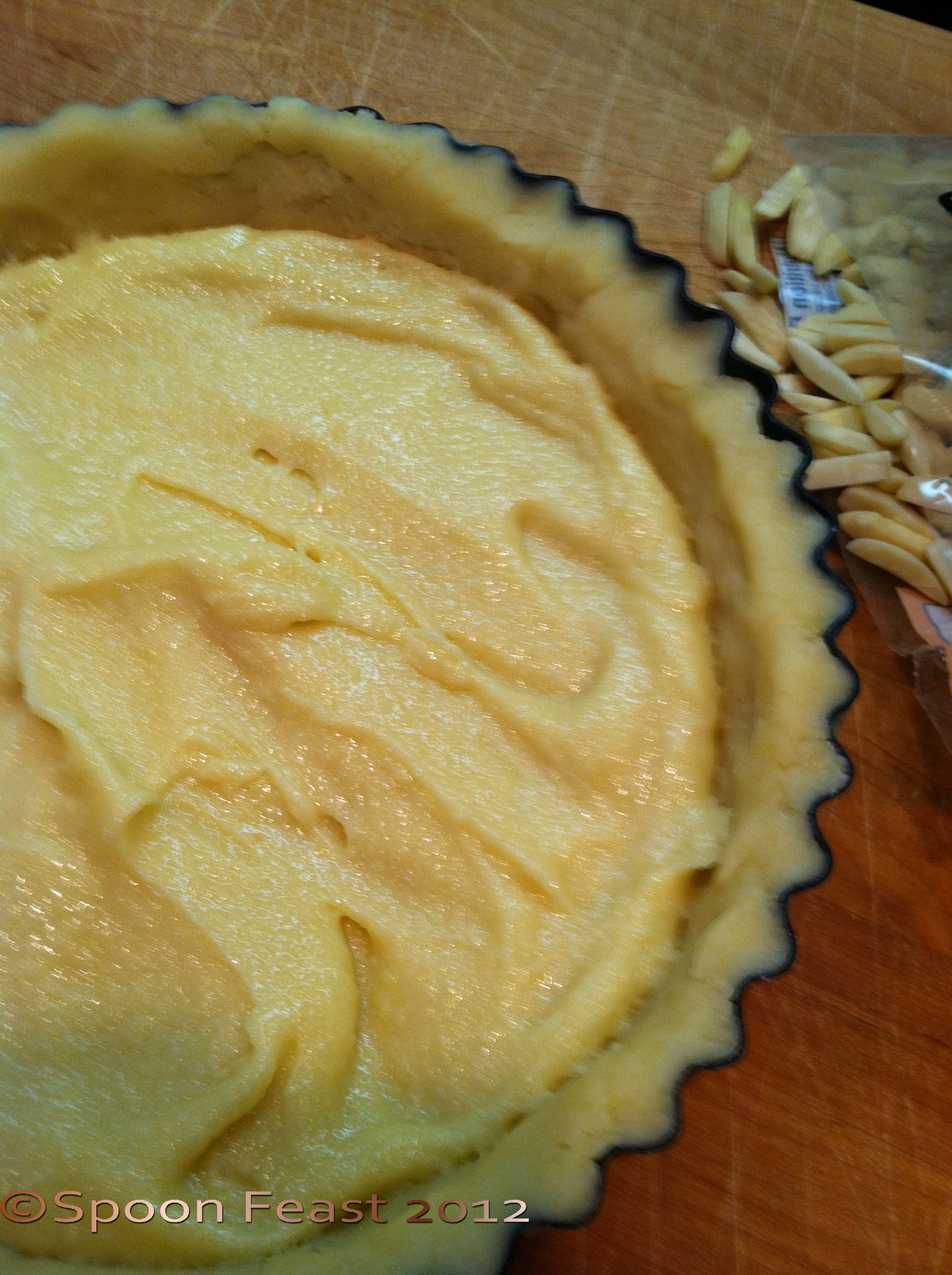
  1. Spread an even layer of frangipane over the prepared tart pan.

Bake for 14 minutes, until the frangipane layer is puffed but not set.
Cool.

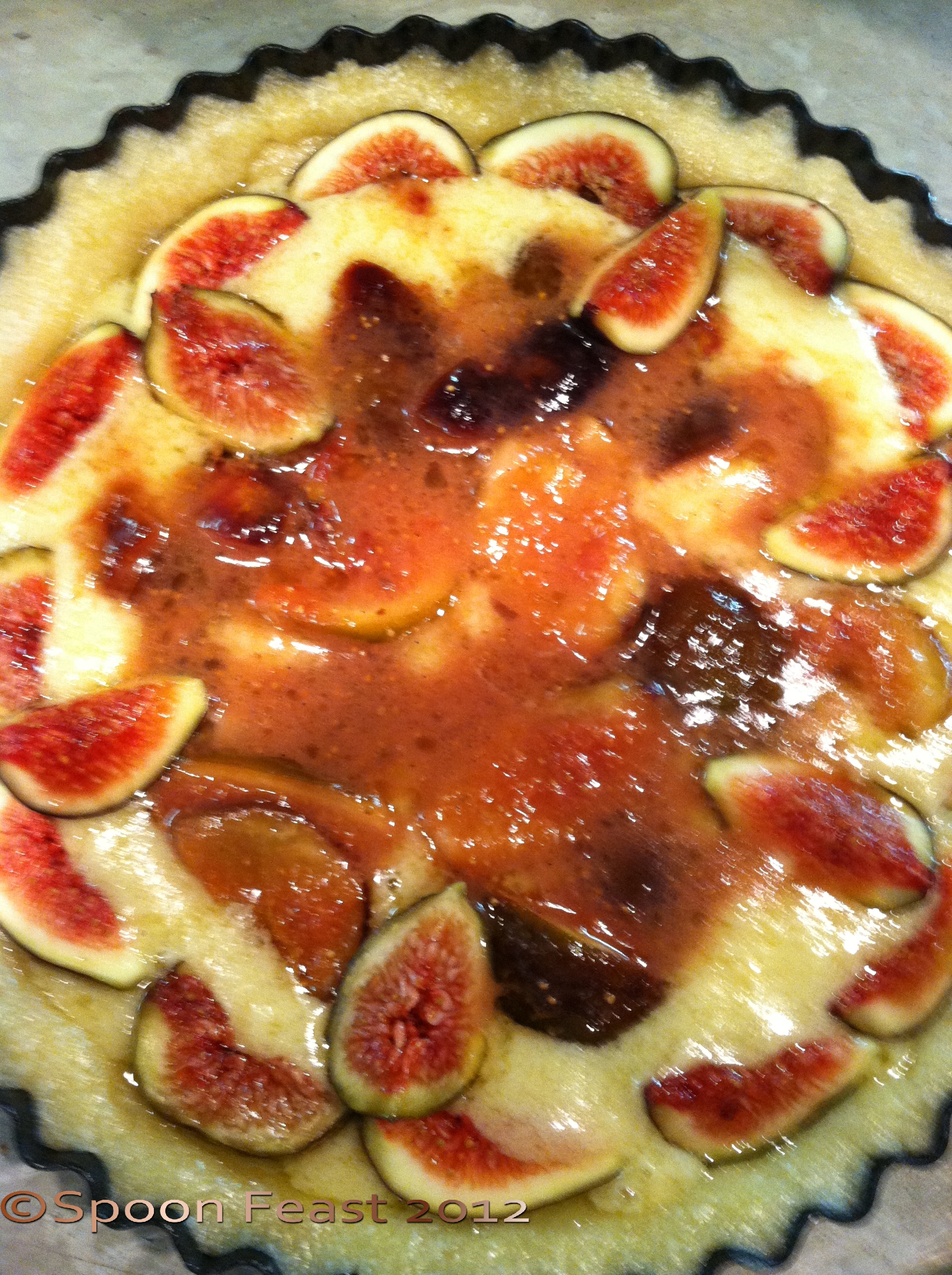
  1. Arrange some uncooked fig quarters around the edge of the tart
  2. Add the fig ‘jam’ inside of the ring you made with the quartered uncooked figs

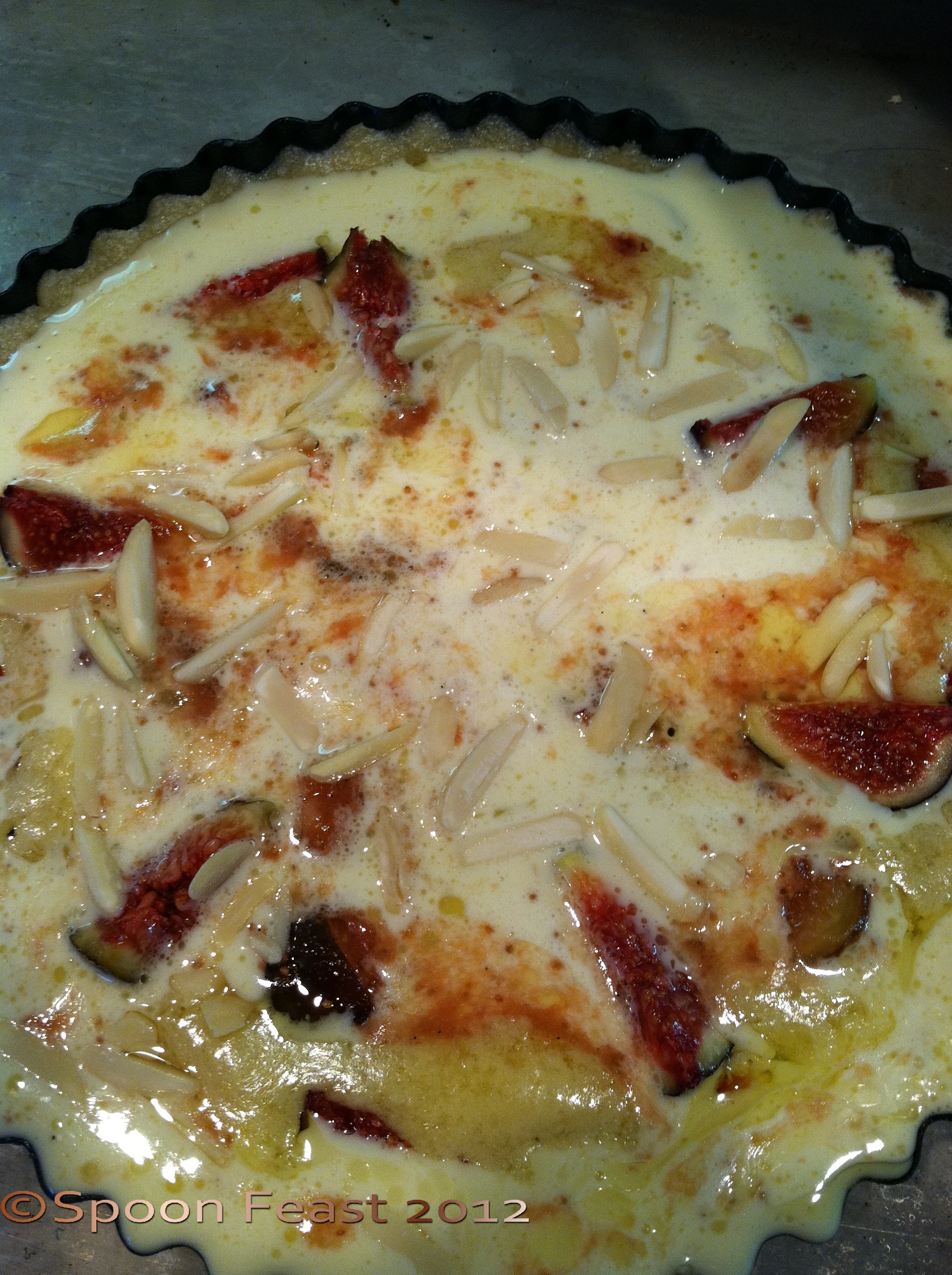
    Pour the custard mix over the figs

    Bake the tart at 350 degrees F. for 50 minutes. The crust will be golden.
    After making the tart, I had some ingredients left over. 2 small port poached pears with frangipane and custard and some decorative cookies from the remaining sweet tart dough.

    Add the fig ‘jam’ mixture on the baked frangipane layer, inside of the fresh fig ring.

  3. Pour the custard mixture over the figs.
  4. Sprinkle the top with some slivered almonds.
  5. Bake for 50 minutes, until the custard is set and the pastry is golden brown.

Cool the tart completely on a wire rack before cutting and serving.

This is an elegant tart. After putting all your time and effort into it, make it an occasion to eat it! Make up one if you have to.

Anaida’s Back!

Just a quick update, my Russian friend got back in the country. Legally, of course, or else I wouldn’t be writing about it.

Our State Senator, our Representative from the House of Representatives, and several prominent members of the education community wrote letters on her behalf.

The letters worked because they granted her permission to come back.

Here is a silly picture of us. We couldn’t stop laughing while trying to take a picture of ourselves. Besides the lighting makes us look like smurfs!

She found out just before she was leaving for her daughter’s wedding in Germany, not knowing where to return to, Russia or USA.

Now she is working on getting a green card.

Yay!

I went to visit her, we shared a cup of tea and she told me stories while we ate Russian chocolate and sipped tea from her homeland. I’m glad she’s back.

Anaida had this wonderful vegetable carving kit she received as a gift from a friend in Moscow. I really like and teach vegetable carving so I asked if she ever went back could she get me one.

Well dream come true, she did.

This is it:


The set comes with a lovely book totally in Russian. It’s odd to look at a written language and have not one single idea what it means. It looks to me as they use numbers in spelling words.


How do you pronounce that?

This slideshow is what we do with the carving tools using common vegetables and fruit.

Anaida, Welcome back! Everyone is looking forward to seeing you again.

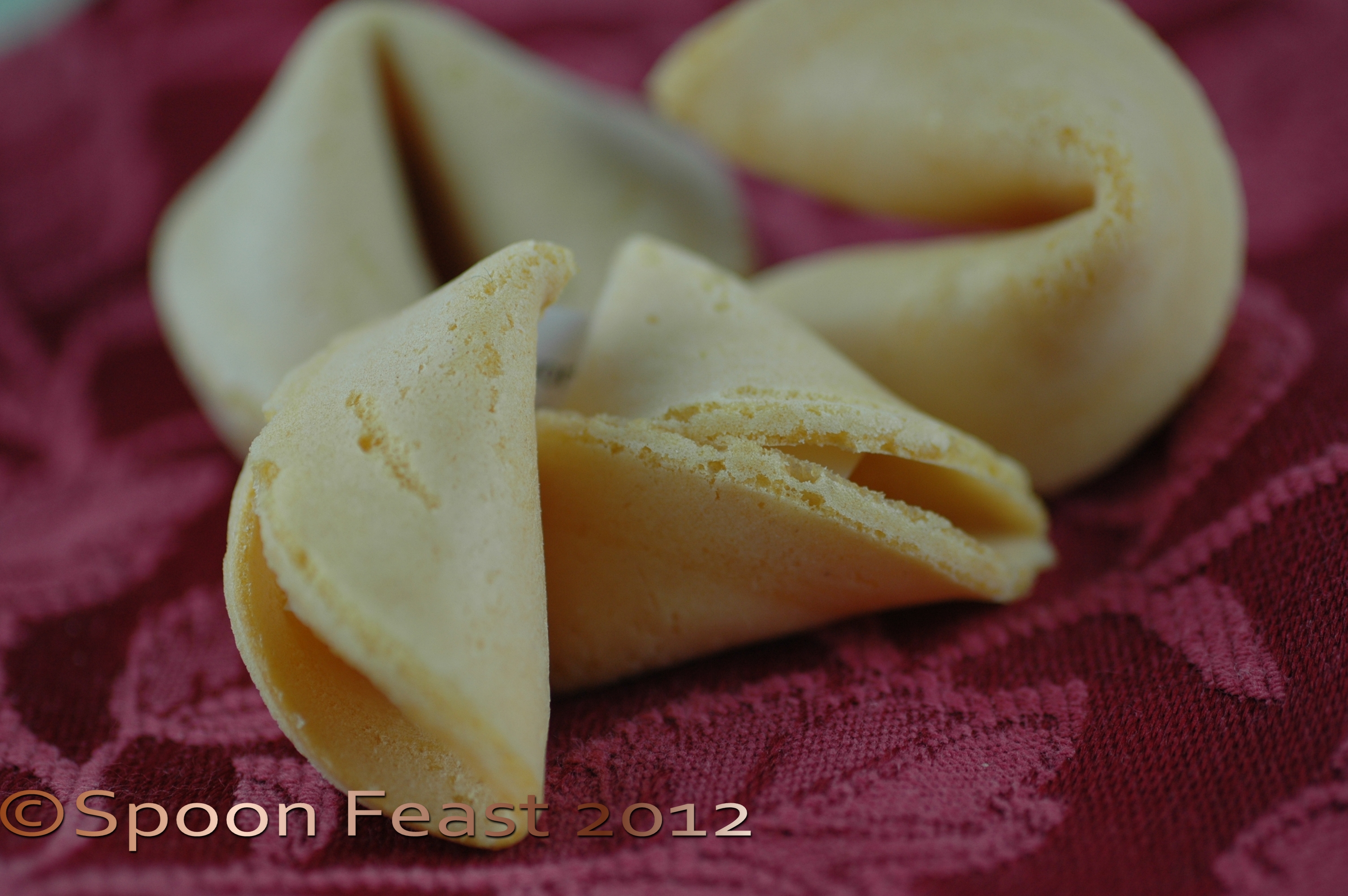
Chinese Fortune Cookies – How do they know?

How do they know?

A few weeks ago we ordered Chinese take-out. Keeping with tradition, the meals came with fortune cookies.

Most of the time these fortunes are kind of cheesy and don’t really make any sense.

However this one was different:

A few days later I was out for a walk and saw someone down the street, whose home and gardens I greatly admired, outside watering plants. I walked up and introduced myself and have become friends since.

Not being one who makes friends easily this surprised me. It surprised me because I am not very outgoing when it comes to making new friends, I am very private actually.

“Now is the time!”

So now I am reaching out and acting and have found a wonderful world of new friends. I have re-connected with high school friends from 40 years ago. We have lunch, we do make up, we go to museums; we have fun. High school friends are one thing but we went high school in Tokyo, Japan and our classmates are scattered all over the world. Keeping in touch on Facebook led us to discover there are 4 of us from Tokyo living right here in Charlotte.

Another fortune cookie said:

White dinners in Charlotte have gone from a thought, discussion and now we are scheduling events. The first one was full of excitement just to get the project launched. I think it is going to be like lighting a firecracker and it will take off. We already have a waiting list for the September event.

July is Planning month for Charlotte Cooks. Charlotte Cooks is my little TV show for those who don’t know.

I got notice Charlotte Cooks has been picked up by PBS and is now being aired in 13 counties in North and South Carolina.

And then there is this one:

There’s no hiding from it anymore when a fortune cookie calls your bluff.

Georgian Style Green Beans

Anaida is someone who I consider a dear friend. She is from Moscow, Russia and has the warmest heart of anyone I have met in a long time.

I wish I had a picture of us together. She was such a joy to have in classes, she got along with everyone.

Anaida, are you out there? Can you send me one in an e-mail?

Anaida is a mature woman, in her fifties. I met her one day in one of my classes. She came up to me and asked if she could use a Russian English dictionary on the exam.

She was just learning English and here she is in the USA taking college level courses.

Certainly I would not be able to do anything remotely similar in her country. I would be lucky if I could order a cup of coffee let alone take a college level course.

It took her a couple of times, but she passed the exam and progressed to culinary lab classes. I had the pleasure of having her in my Advanced Cooking class last fall.

To Anaidas credit, some native English speakers have a hard time grasping some of the concepts the class she was in. Let alone learning a complex subject in a language you are just learning.

She inspires me to keep progressing in my French lessons.

Whole green beans in a carton.

Whole green beans in a carton. (Photo credit: Wikipedia)

Anaida shared many of her native cuisine recipes, one of my favorite is her recipe for green beans, which is included here.

She shared many gifts from Russia like these spoons,

Russian Spoons

the toothpick holder, an apron, shawl all very nice things I hold dear and use daily. Well, I use the shawl in the winter. It is Russian made and I think it contains magic warmth yarn as it keeps me nice and warm in the cold. Lordie knows, it gets cold in Russia!

Anaida returned to Moscow as her visa required as well as her international student status. She often returned to Russia between semesters and brought us back lovely gifts and made the most tasty pastries she shared with the office.

Anaidas dream was to get into the bakeshop class at the college, which she was registered and ready to do this fall. Only one hitch in the get-along.

The State Department declined her student visa based upon concern about Anaida returning to Russia as some point in the future. Since she is retired, they are doubly concerned.

Anaida’s daughter lives here and teaches. This summer she got married to the love of her life, a kind German man. Eventually they are going to move to live in his home town in Germany. Being Anaida only daughter, I doubt Anaida would choose to live so far away from her daughter especially when grand-babies come around!

Even knowing this, they still decline her access to return.

It just doesn’t seem fair.

Could it be the recent change of power to Putin? Or is someone in the state department just having a bad day?

I wish there was something I could do.

In the meantime, Let’s make Anaida’s beans.

Green Beans with Herbal Vinaigrette Dressing

“Georgian Style, you will like!”

  • 1 pound of fresh green beans, trimmed
  • 2 Tablespoons vegetable oil
  • 1 tablespoon red wine vinegar
  • 2 cloves fresh garlic cloves, minced
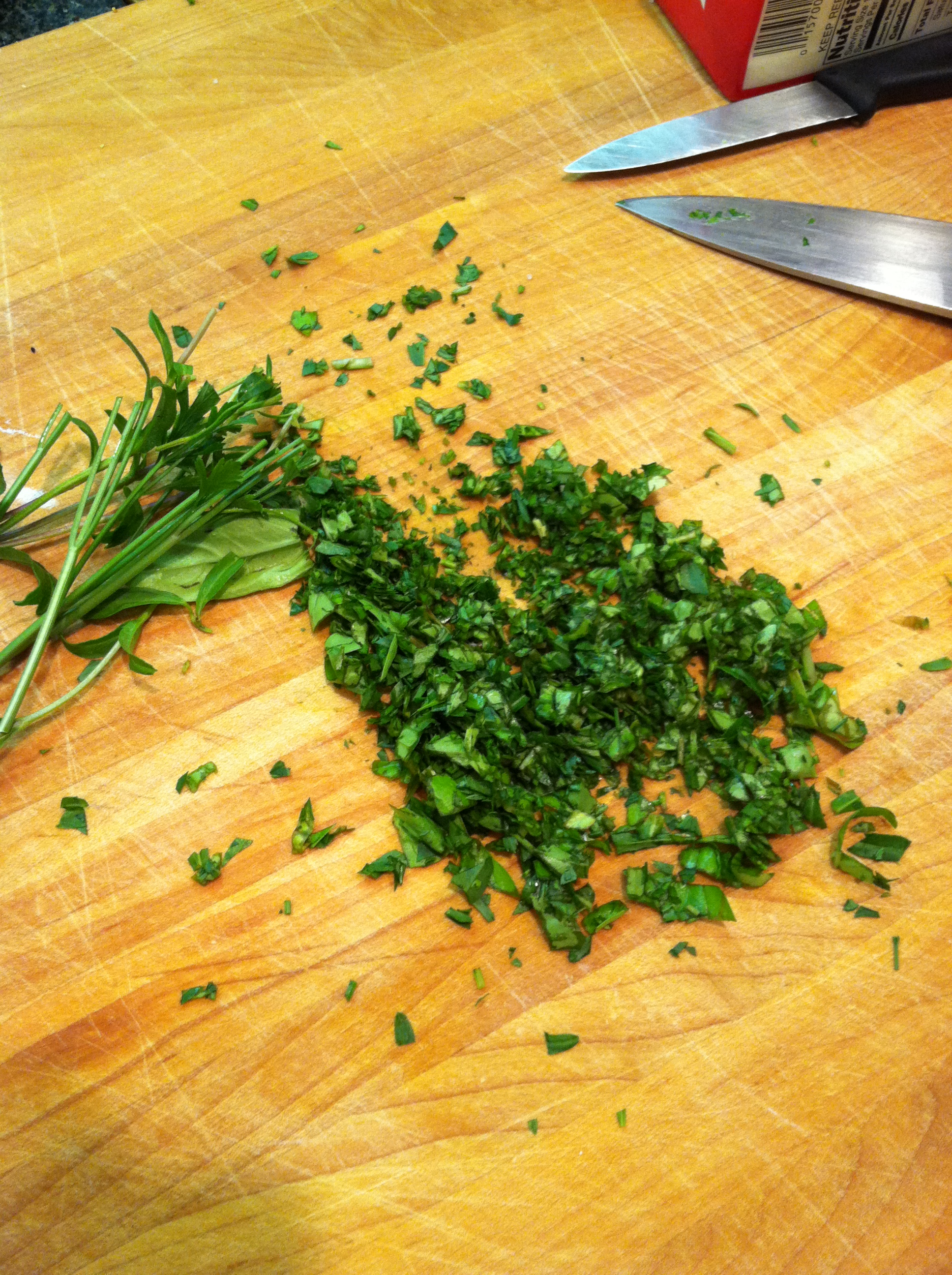
  • Fresh Tarragon, Cilantro, Basil, Parsley chopped

Chopped herbs, use the combination you like best. Start with equal amounts of each fresh herb.

Use the amounts you like, equal of all three, more basil, or more tarragon, what ever you prefer.

If you don’t know, start with equal amounts of each, chopped together.

  • Salt to taste

Method:

  • Steam the beans until done, about 5 minutes.
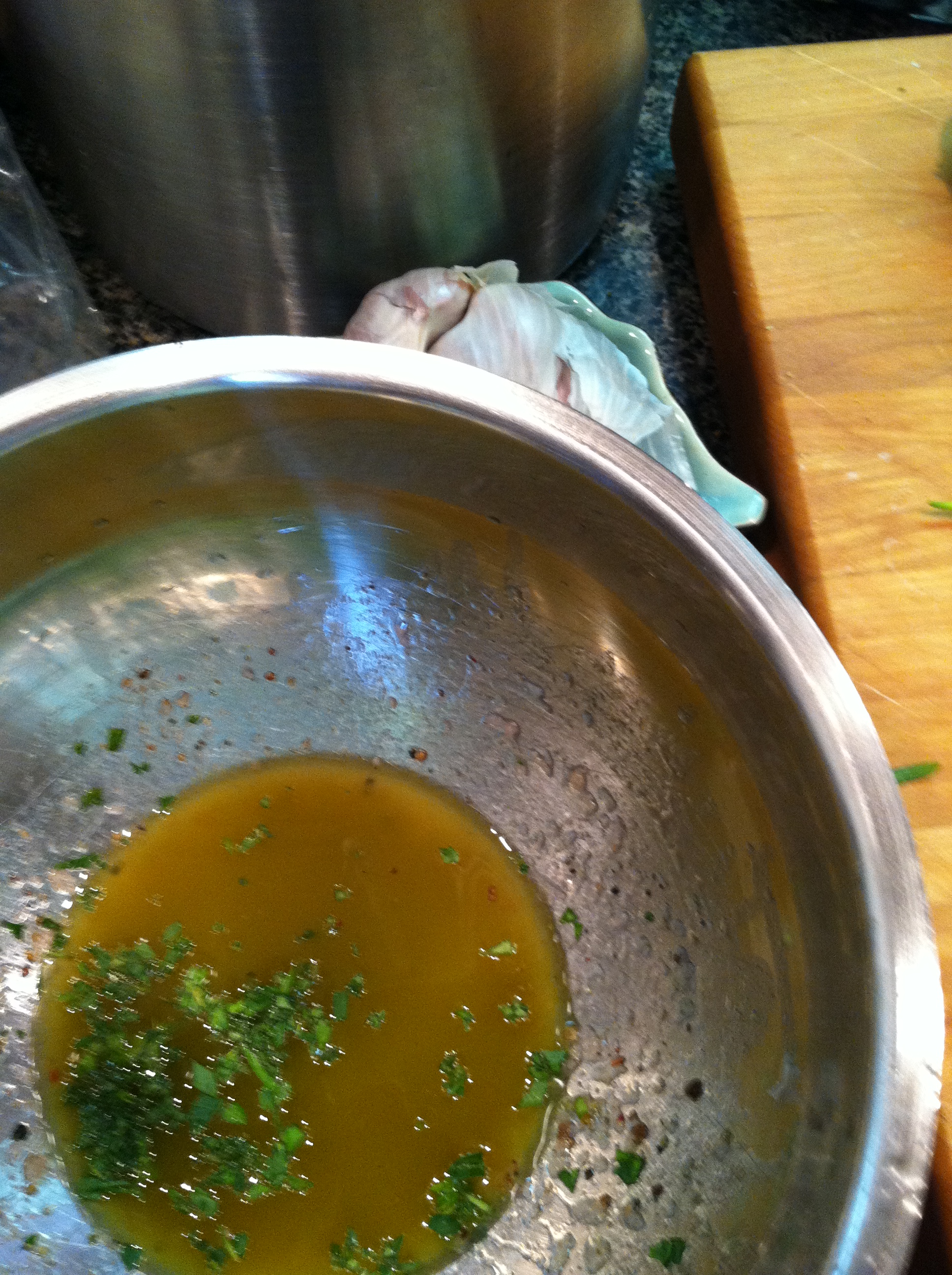
  • Mix the oil, vinegar and minced garlic in a bowl. Whisk briskly to combine.

    Mix oil and vinegar. I added a few herbs, but you don’t have to. Any vinaigrette and chopped herbs left over can be used for salad dressing later. Just combine whatever dressing and chopped herbs left and you have a nifty herbal vinaigrette.

  • When the beans are done, just before serving, dress the beans with a light amount of vinegar and oil.
  • Top with the chopped herb mixture.
  • Season with salt and pepper to taste.

Only use enough of the dressing to lightly coat the beans. Dress them just before serving to preserve the bright fresh green color.

These beans are simple but full of flavor. I love this recipe!

Wouldn’t these go nicely in a Salad Nicoise?

Anaida, I miss you.

Anaida’s Beans

Pecan Crusted Fried Okra

Southern Cooking has to include okra of some kind so I thought Pecan Crusted Fried Okra would be interesting.

Okra

How many of you like okra?

The most common perception of okra is that is disgustingly slimy. I have to give you that it is slimy like a world of snails would love.

I’ll never forget the first time I had stewed okra and tomatoes and all I could think was “what is wrong with you people?” It didn’t help that the person who made the dish was a terrible cook. (Bless her heart!)

Then I discovered pickled okra and fell instantly in love.

Quickly I learned there are ways of preparing okra that avoid the slimy aspects of this misunderstood vegetable.

Used in vegetable soup, okra will give the broth a nice thickness, not too thick but not watery either. I love the little balls of seed that float into the soup, yummy.

Okra

Okra (Photo credit: NatalieMaynor)

Okra is found all over the world and is used in many cultures and cooked in just about as many different ways as you can find recipes.

I am working on developing content for Charlotte Cooks which begins filming the new PBS season in August.

We are filming a segment on Southern Cooking and that must include some kind of okra dish.

Robert thought it should be fried okra. So as I researched and thought, the idea of combining the southern love of cornbread, buttermilk and pecans with okra.

This is the result of my study.

Pecan Crusted Fried Okra

1 pound fresh okra – choose young tender ones over older more sturdy okra

1 cup Martha White Self Rising Buttermilk Cornbread Mix

(Use more as needed)

1 cup buttermilk

(Use more as needed)

1 cup coarsely chopped pecans

1/2 cup panko bread crumbs

Mix pecans and panko together, use more as needed

Vegetable oil as needed to fry

Fine ground sea salt

Method:

Set up a standard breading procedure with trimmed okra, cornbread mix, buttermilk, mix the pecans and panko together in the third pan.

Standard breading procedure set up:
Use cornbread mix, buttermilk, pecans and panko

Wash and dry the whole okra pods.

Trim the tops off the okra, leave the pods whole other than the top.

Bread the okra by coating in flour, then buttermilk, then pecan mix.

Have a pan with enough oil to come half way up the okra in the pan.

Only enough oil to come half way up the okra. Don’t move them around too much.
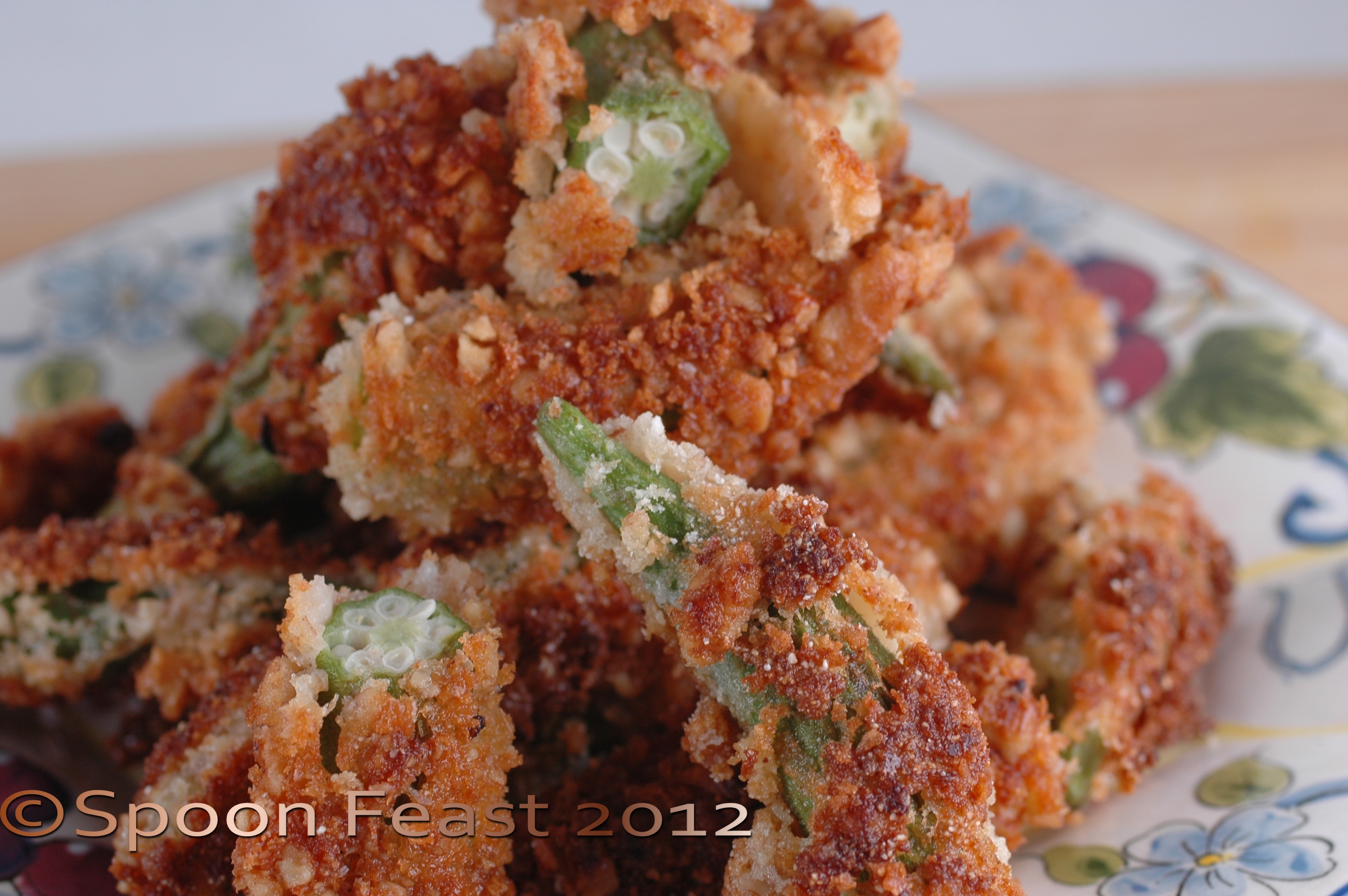
See, even mine had some drop the breading. Keep those as “cooks treats”.

Cook on medium high heat about 3 minutes on each side. The breading will be golden brown.

Using a slotted spoon or slotted spatula remove the golden brown okra from the hot oil and drain on a fresh paper towel.

Season with a light sprinkle of fine salt.

Serve with Texas Pete Hot Sauce.

Be careful, not only are these lovely morsels tasty and addicting but they will disappear before you know it!

When calculating how much to make, always make more because you will need it.

OK, now here’s the thing. Many of you will experience the breading does not really want to stay on the okra. It is hard to bread an okra and have it stay on like it should.

Following the standard breading procedure making sure to get each pod coated in flour first then coat totally in the buttermilk then pecans you will have the best chance of keeping the breading intact.

Once they hit the pan, let them cook. Don’t move them around too much or you WILL see the breading all fall off. This is why they don’t get deep-fried too. Just enough oil to come about half way up the okra while in the pan.
Make sure the oil is hot so the okra start cooking as soon as they hit the pan.

Putting them in a cold pan and cold oil will result in soggy oil filled  okra. That is disgusting. Oil and slime. Avoid it.

When they are done, pile them up on a plate and serve.

Jump back quick because they will disappear before you set the plate down.

A Heaping Plate of Pecan Crusted Fried Okra

Ya’ll come and don’t be late for dinner!