Hilarious stunt! Appropriate due to Garde Manger making sausages this week.
Enjoy! It is in Italian, but you don’t need to understand to laugh.
What’s in your sausage?

Hilarious stunt! Appropriate due to Garde Manger making sausages this week.
Enjoy! It is in Italian, but you don’t need to understand to laugh.
What’s in your sausage?
I love when people share the bounty.
At work, one of my colleagues is an avid gardener. He often brings in what he has an abundance, this week it was lettuce!
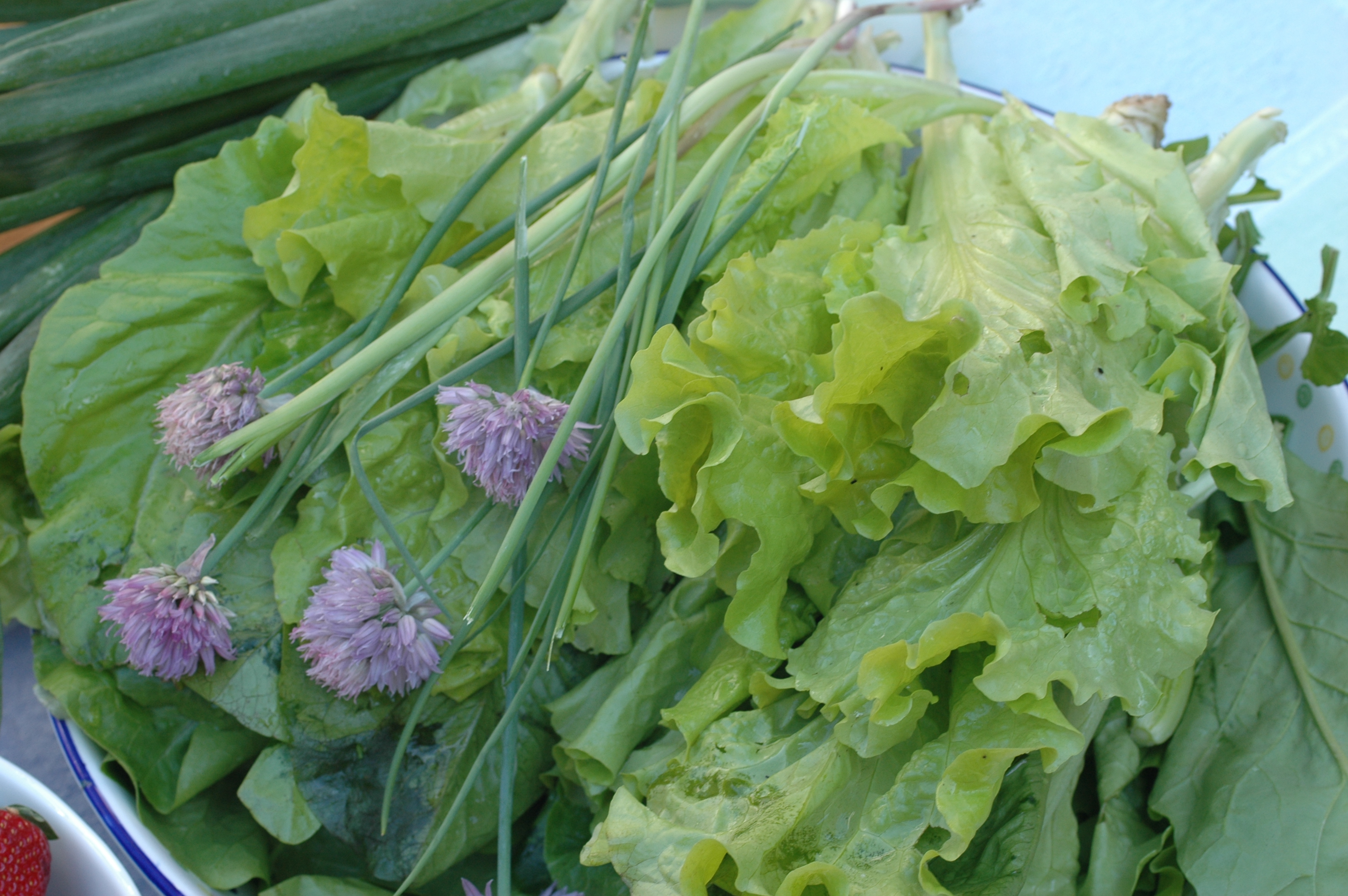
BIG bowl of fresh lettuce and chive flowers
Romaine, green leaf and lambs ear and as I walked past the herb garden at school, I clipped a handful of chive flowers. The huge bowl of greens motivated us to set a salad station and have a big fresh salad with dinner last night.
Instead of using bread for lunch, we wrapped tuna salad in lettuce leaves and felt like Peter Rabbit as we crunched away.
We went to the farmers market and bought some amazing sweet strawberries, radishes, new Vidalia onions, fresh ripe tomatoes and okra and Brussels sprouts and broccoli.
For dinner we grilled chicken and corn on the cob, steamed broccoli and crunched through an amazing fresh salad. We dressed the salad with Chive Blossom Vinaigrette made with Chive Blossom Vinegar.

Prepping Dinner
 There is nothing quite like a great scone and these Rosemary and Lavender scones fit into the great scone category easily.
Scones are typically thought of as being sweet and fat. This recipe replaces the fat with goat cheese and the dough is delicately scented with rosemary and lavender honey.
If you can’t find lavender honey, you can infuse honey with lavender buds to get the flavor. Put the honey in a double boiler, fold in the lavender buds and warm gently for a couple of hours.
Use only the lavender buds because that is where the essential oil, scent and flavor is, not the stems or leaves.
If you “hyper-heat” the mixture to a boil or heat in the microwave, you will get a very bitter flavor from the lavender. Use too much, you can end up with that “old-lady soap” flavor and no-one wants that!
The amount to use is 1/2 tablespoon to 1 cup of honey. Once the honey has cooled back to room temperature, strain out the lavender. The lavender imparts a very delicate color so if you use a light-colored honey you will see the lavender hue. You won’t see it in darker honey.

Mix wet and dry ingredients until incorporated

Pat the dough to desired thickness and shape; cut into triangles or desired shape before baking.

Bake until golden brown
Serve warm.
If desired, spread with goat cheese and drizzle with lavender honey.
These scones make a great breakfast!
I also like to serve them with roasted leg of lamb.
If you didn’t like goat cheese, you can substitute cream cheese.
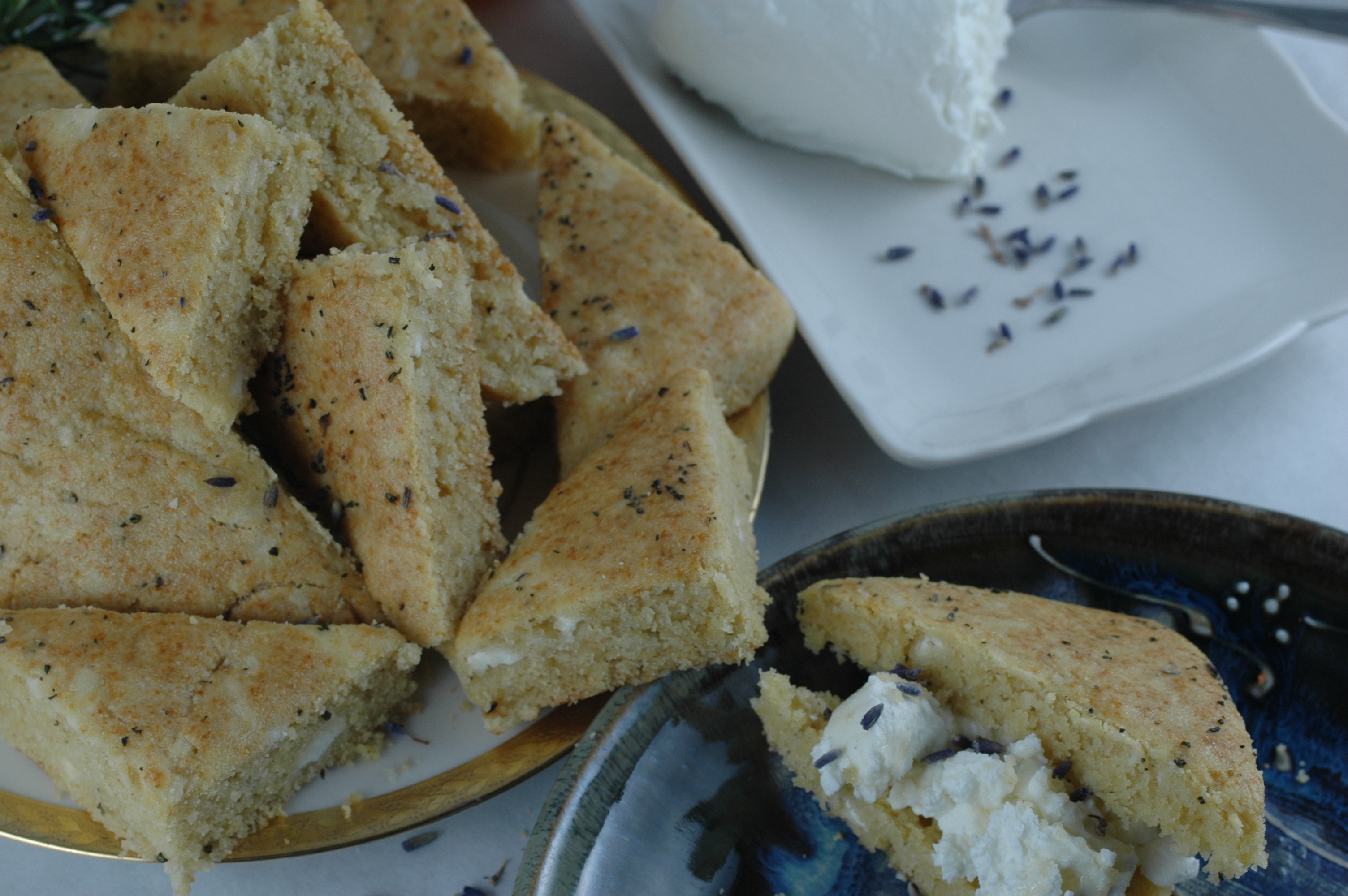
Believe it or not, this is not sweet chocolate cherry bread. It would be fantastic with grilled or smoked chicken or ham and honey mustard sandwiches with bread and butter pickles.
Chocolate cherry bread also makes great breakfast.
I have been perfecting a no-knead formula. Trying out different things, discovering what the dough can and can’t do has led to some interesting discoveries, such as this variation.
1. Replace 1/2 cup flour with 1/2 cup special dark cocoa
2. Hydrate 1 cup tart cherries,drain, fold the cherries into the bread after the first rise.
I mixed 1 tablespoon of cocoa into the flour used on the board when folding in the cherries. I did not line the rising baskets with cocoa, just flour.
If I keep making this, I’ll invest in some heavy linen cloth to line the baskets so the cloths will get stained from chocolate, not the baskets.
For handling dough: Mix 2 Tablespoons cocoa powder into 1 cup of bread flour. Use this to dust the rolling surface and any sticky parts of the dough as you shape the loaves.
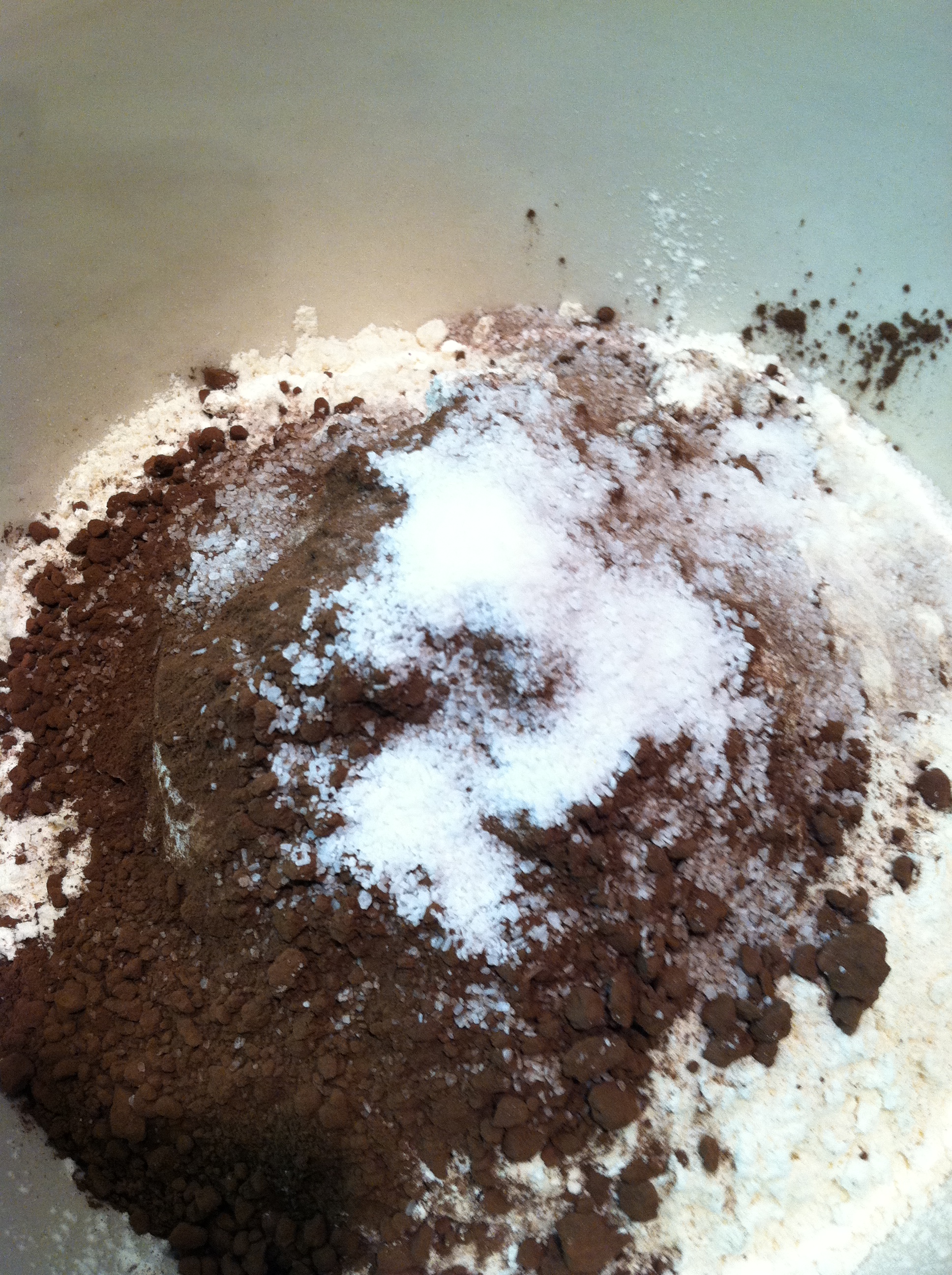
Combine salt, flour and cocoa powder in a large bowl

Mix the dry ingredients together before adding the wet ingredients
Combine the flour, cocoa, salt in a large bowl, stir to combine.
Warm water to 110°F sprinkle yeast on top and let bubble for 5 minutes. (This ensures the yeast is active)
Whisk the yeast and water together and pour over the flour mixture, fold until all liquid is absorbed and all flour is incorporated.

Pour in the wet ingredients and mix until everything is incorporated; form into a ball on the bottom of the bowl. Let rise for 2 hours or double in size.

Doubled in size
Form into a ball in the bottom of the bowl, cover with an oiled piece of cellophane wrap and allow to rise until doubled in size. This usually takes 2 hours.
Remove and sprinkle the top of the dough with cocoa/flour mixture, scrape to deflate and separate into equal balls of dough.
on a well floured surface, flatten one ball into a rectangle, sprinkle with hydrated cherries and cinnamon sugar if using, fold in thirds, sprinkle more cherries and cinnamon sugar, fold in half. Flatten the dough into another rectangle and roll into a log.
Pre-heat your oven to 450°F for 15 minutes before the bread is ready to bake.
Slash the loaves and place them into the hot oven for 30 minutes or until the internal temperature of the bread reached a minimum of 190°F. Steaming is optional, if you want a crispy crust, steam is recommended. See how to add steam by reading the No Knead Bread post for a full description of baking off the loaves at home.

Shape into a log or ball; let rise for 1 hour or nearly double
As I mentioned before, this bread isn’t sweet. Even if you add the cinnamon sugar, the cinnamon adds to the complex flavor of the cocoa and the cherries. Simply divine for a smoked ham or turkey sandwich with whole grain mustard, lettuce and tomato.

Light lunch
How to boil an egg is a basic procedure that needs to have a couple of “rules” to follow in order to turn out right.
There are a few suggestions on what to do with your hard-boiled eggs after you master the technique at the end of this post.
So often the yolks have a dark green sulfur ring around them and the whites are rubbery rather than tender. This happens from the eggs being overcooked or being old after they are cooked. The reason they start to stink when they age is due to the sulfur content which is also what makes the green ring around the yolk form, a simple chemical reaction.
You can avoid this and have beautiful boiled eggs by following this method and eating them soon after.

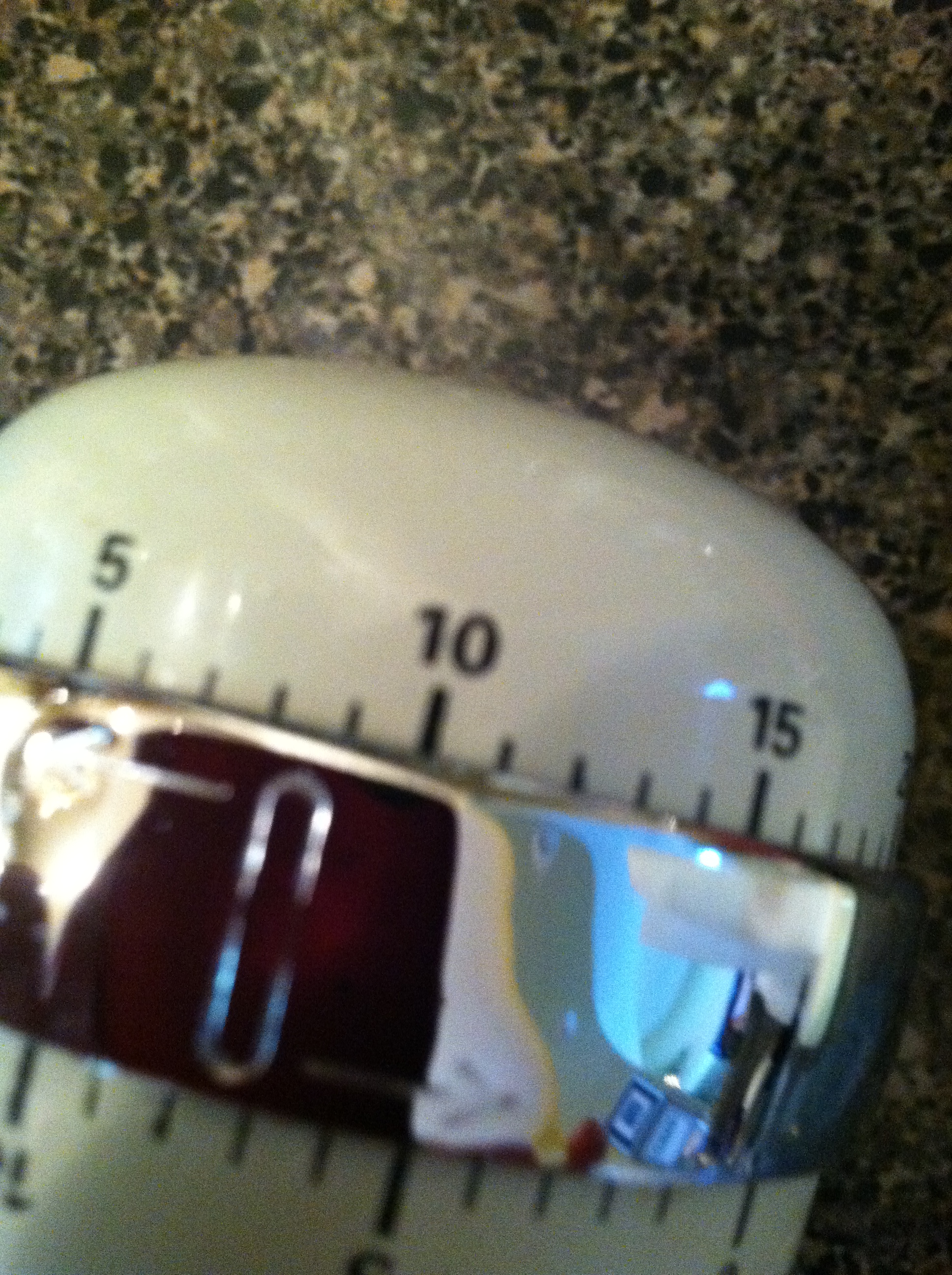
Set timer for 10 minutes
Cool by running cold water over the cooked eggs until they cool
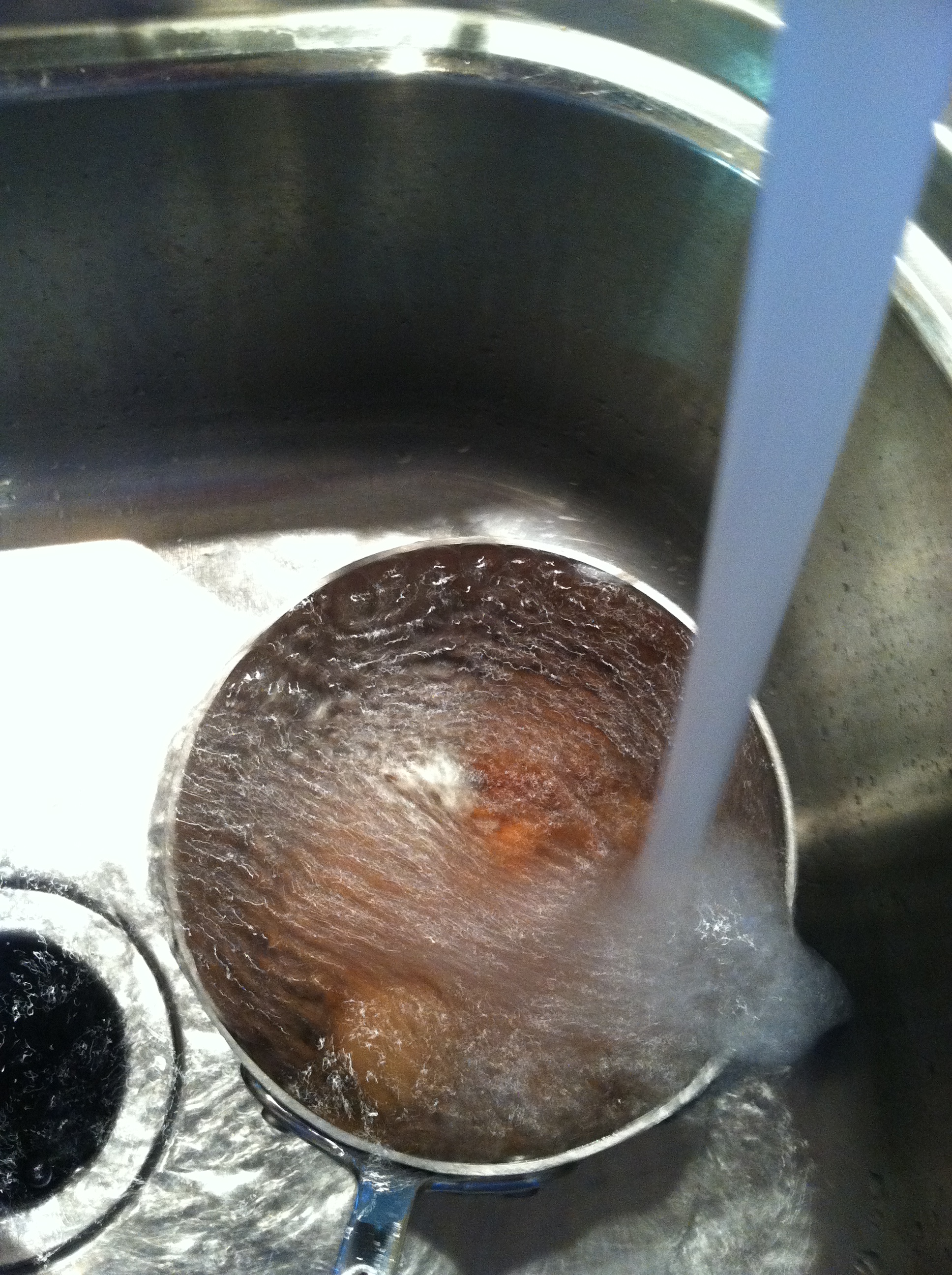
Cool under cold water
down. You will need to change the water as it warms up from the hot eggs. Keep the water cool and in about 15 minutes you will have perfectly cooked hard-boiled eggs.
A perfectly cooked hard-boiled egg is yellow throughout the yolk
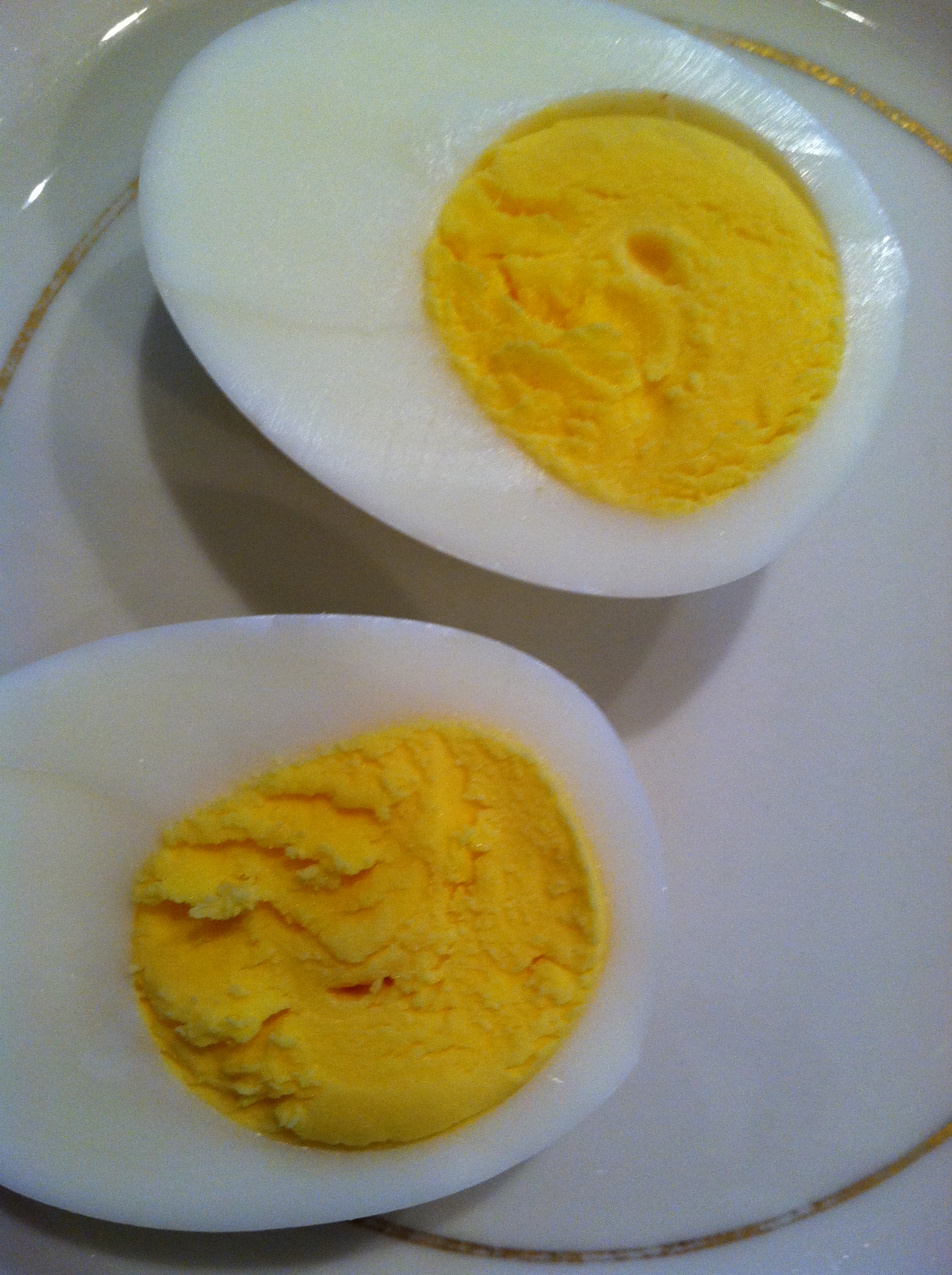
Perfectly cooked hard-boiled eggs
and the whites are tender.
Using this method, they

Gently tap to crack the shell all over
should be easy to peel. Gently tap the shell on the counter until it cracks. Gently roll the egg so the shell gets cracked all over; then peel the shell off.
Starting with cold water and adding salt after the boil all contribute to successful peeling.
A lot of Europeans will leave their eggs out on the counter, in the US we keep them in the refrigerator. Either way, it is best to start with cold water. Place the eggs in the pot, fill with cold water to cover the eggs by at least an inch or more. This helps keep the eggs from cracking due to temperature change.
Use a pot that can comfortably hold all the eggs you are boiling neatly on the bottom of the pot. There should be enough room for them to roll a little, but not too much. (See the photo of the eggs in the pot earlier in this post) Some people put a small towel in the bottom to cushion the eggs. This is totally unnecessary, but you can do it if you like.
Add salt after the water comes to a boil. This saves the bottom of your cookware from getting pitted from years of salting cold water. Save your cookware, salt only after water boils.
Some people will save the egg cooking water for plants, I don’t due to the salt.

Carefully peel, rinse and dry
The eggs will absorb some of the salt while boiling.
Here is a traditional Southern dish named “Deviled Eggs“. I have always been around Deviled Eggs so I am not sure how well-known they are in other parts of the world.
Here in the South, we have dishes known as “egg plates” made specifically for holding Deviled Eggs. I used to have several in different styles but alas, I no longer own an egg plate. Not even an egg plate shaped like a holiday wreath, not a glass one nor a china one. Where did they go? It’s not like I swore off ever making deviled eggs again. Puzzling how things come and go. Maybe one day I decided I would rather have the space than the egg plates. I don’t recall making that decision.
Be careful when adding the pickle relish. Don’t add too much liquid or else your egg filling will be runny. If that happens add some cheese or bread crumbs or go commercial and add xanthan gum to thicken it back up. You could always boil some more eggs too.
Here is the recipe:
Remove the yolks from the whites, place the yolks in a bowl. Add the remaining ingredients and mash

Tray of Deviled Eggs garnished with scallion green, caper and chive flower
together with a fork until smooth.
Adjust the quantities of the ingredients to match the yolks and your personal taste.

Perfectly cooked hard-boiled eggs
Remove yolks to make filling for Deviled Eggs
Spoon the yolk mixture back in to the whites. Top each with a bias cut chive or scallion green.
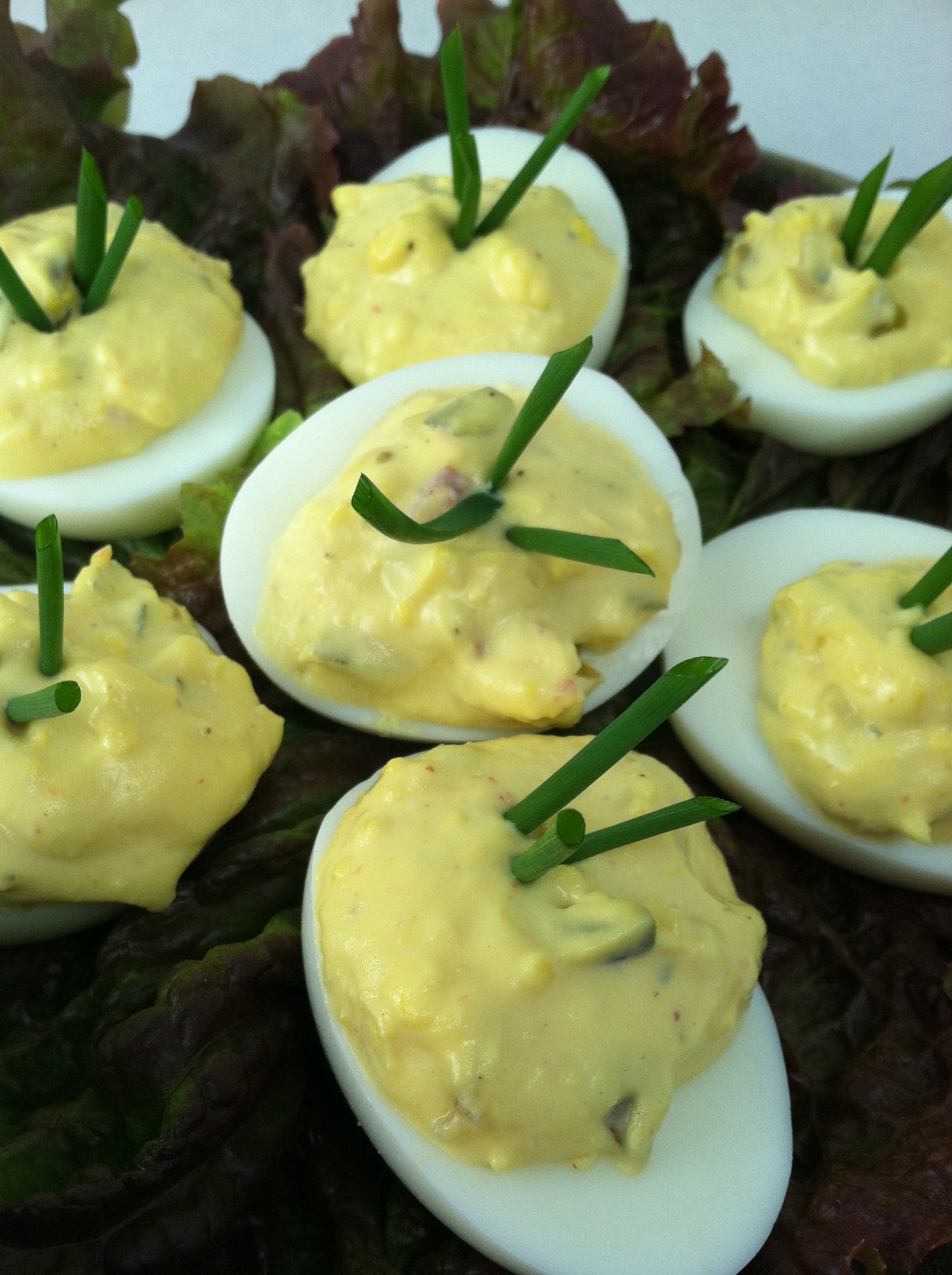
Deviled Eggs
Sprinkle lightly with sweet paprika and finely ground black pepper.
Add them to tuna salad, make egg salad for sandwiches, slice and serve with spinach salad, make Pad Thai and sprinkle chopped hard boiled eggs, peanuts and cilantro over the noodles.
Personally, I can eat them sprinkled with a touch of Fleur de sel.

Spinach Salad
Main thing to remember, start with cold water and boil only for 10 minutes.
Cooking Note: A “BOIL” is 212°F or when the bubbles roll rapidly and break the surface of the water.
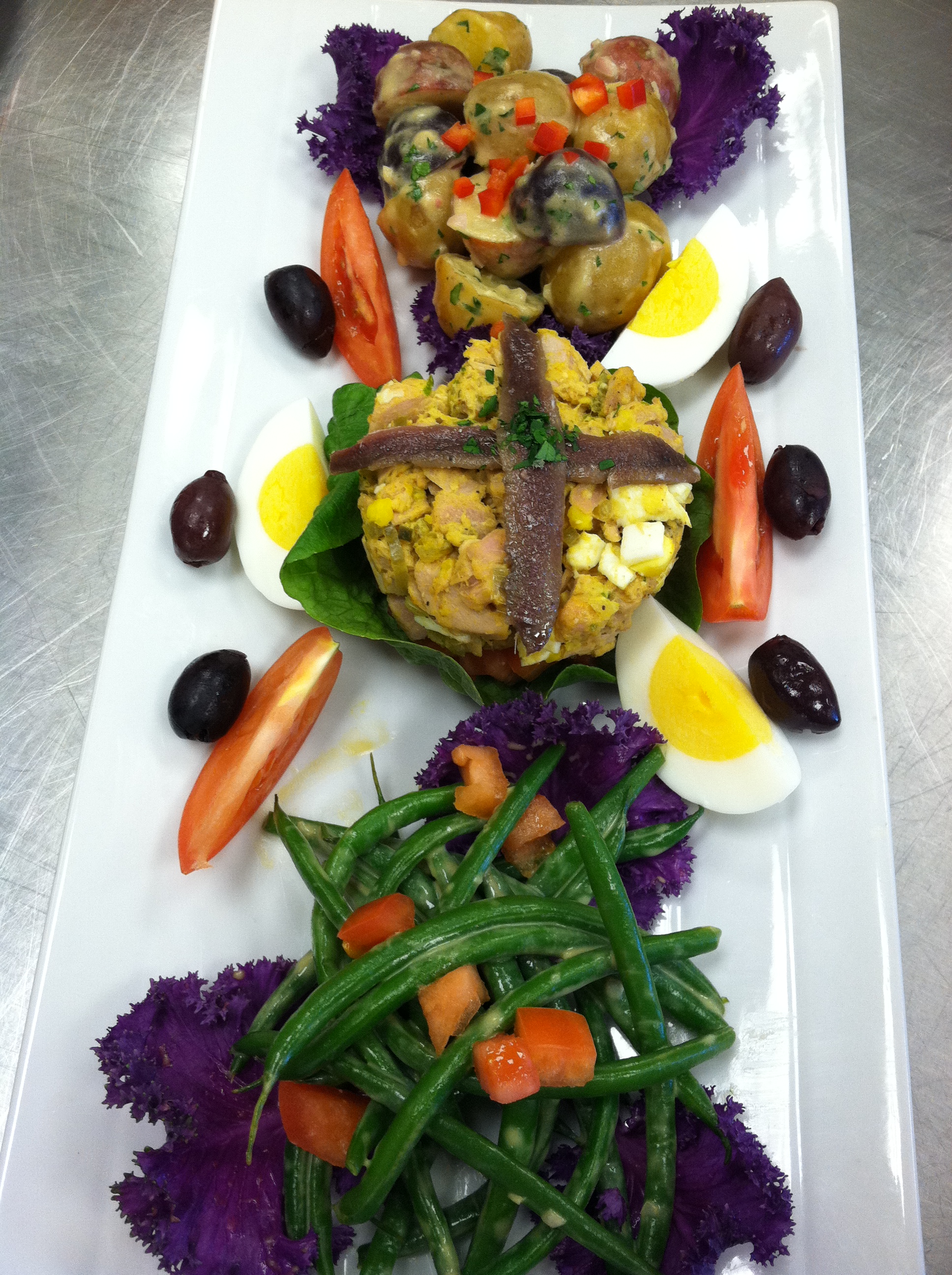
Use hard-boiled eggs in Salad Nicoise
In January, we filmed an episode of “Charlotte Cooks” about making no knead bread. The episode was released and began airing on TV and You Tube on April 2.
The comedy of errors that went with the taping, I think, were glaringly obvious. The process made me think this is how Lucy Ricardo would have made bread. In spite of the dough getting out of hand, she would have continued on, so I did too.
To shoot the episode, I had to have bowls of dough in various stages in order to shoot continuously. The camera crew was not prepared to step up the pace we normally shoot. The idea was to keep one step ahead of the rising dough. Russ had to keep telling me to slow down. Guess I was trying to keep pace with the dough rising.
I had 5 bowls on dough going at various stages, all while trying to talk about the different stages and move them along to the next for a supposedly seamless show. I gave up on seamless.
The loaf you see me plop on the baking stone turned out the size of a small car and looked and tasted fantastic. That loaf finished baking after we finished shooting so we didn’t get shots of it. With all the different loaves and bowls around, maybe it wasn’t clear as to which one to shoot, but we shot everything. I think there were around 17 loaves finished for the set that day. (Thank God for commercial steam ovens.)
As you watch the episode you will see, by the bowl of dough that gets plopped into the oven, the dough had a mind of its own. Things got to a point where everything was comical; flour everywhere, dough spilling over the sides of the bowl and the oven at 450°F in addition to the camera lights. So the room was perfect for rising dough quickly.
I didn’t think we had enough good material to actually put together a show but Russ, the main man on the show, did a great job. I love my camera crew!

Setting the set for filming

The Main Man, Russ
You can read my post and get the recipe for No Knead Bread here. Yeah, you can cut it half and make a single loaf, but then you wouldn’t have the fun playing with 2 balls of dough.
If you want to make the Chocolate Cherry Bread, reduce the flour by 1/2 cup, add 1/2 cup dark cocoa. Just as you use raisins, substitute dried cherries and put 1/2-1 cup of dark chocolate chips in the flour. Everything else is the same!
Watch the next 20 minutes and let me know what you think.
This is a simple delicious recipe for Chicken Piccata. It is fresh and light and cooks quickly.
Boil the water and cook pasta while making the piccata.
You can choose to use tofu or fish or scaloppini of veal instead of chicken. We like them all!
Serves 2
- 2 chicken breasts, sliced into 2-3 thin slices each
- 2 tablespoons oil
- zest and juice from 1 large lemon
- 1 tablespoon minced shallot
- 1 clove fresh garlic, minced fine
- 2 tablespoons capers
- 1/2 cup white wine
- 1 cup chicken stock
- 2 tablespoons cold butter
- Salt and pepper to taste
Garnish with:
- Fresh flat leaf parsley and lemon slices
- Shaved Parmesan cheese
Place the sliced chicken breasts into a plastic bag, a piece at a time, and lightly pound to make the breast pieces flat and even.
Season with a sprinkling of salt and pepper.
Heat a saute pan over medium high heat, when hot add the oil.
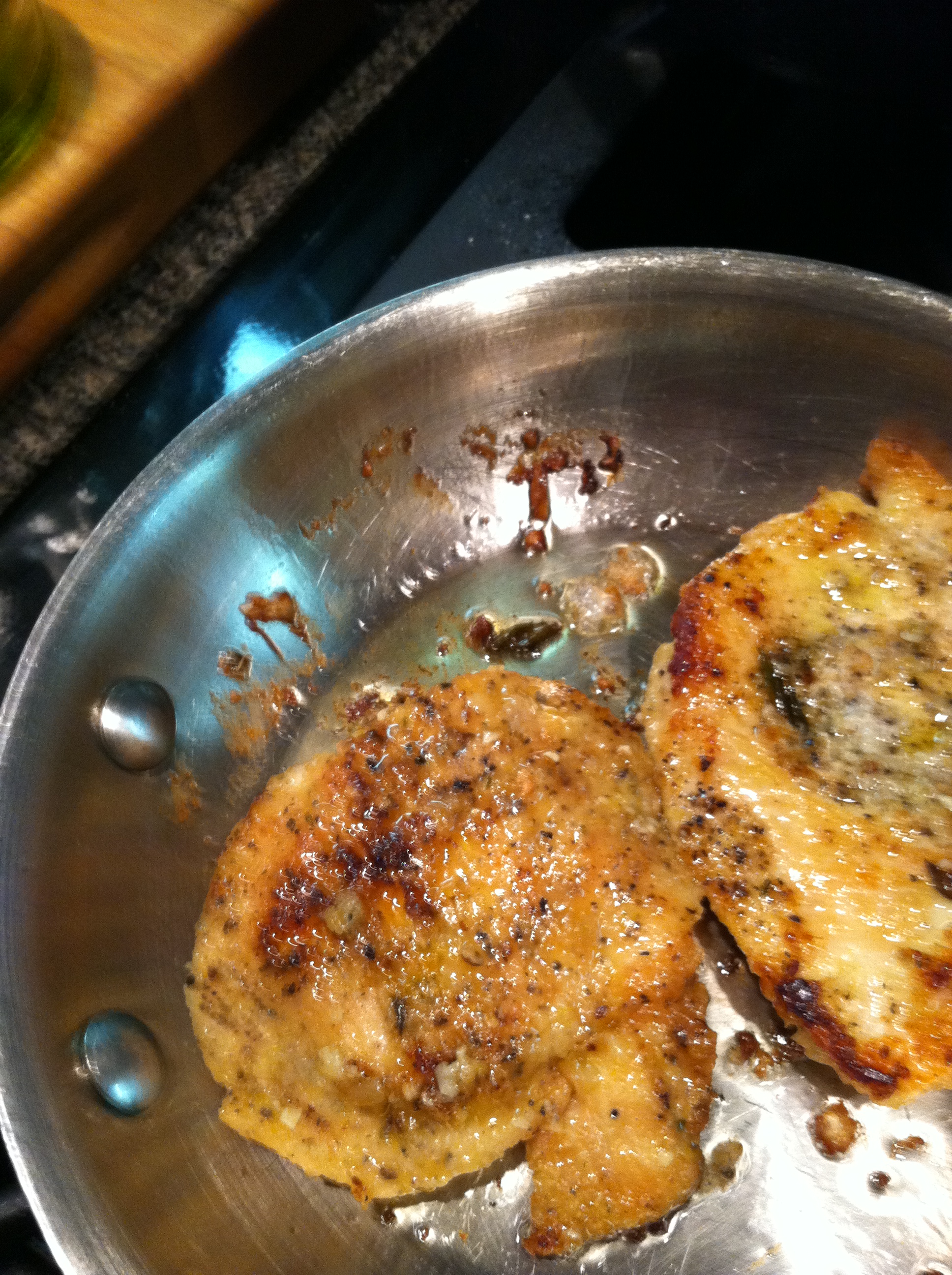
Saute until golden brown
Dredge the pounded chicken breasts in flour.
Saute in a hot saute pan until golden brown on both sides.
Remove the chicken from the pan and keep warm while you make the sauce.
Add the shallots and garlic, stir, being careful not to burn the garlic or shallots.
De-glaze the pan with white wine. When the wine is nearly gone, add the lemon zest and juice, capers and chicken stock.
Bring to a boil. Simmer for 2-3 minutes.
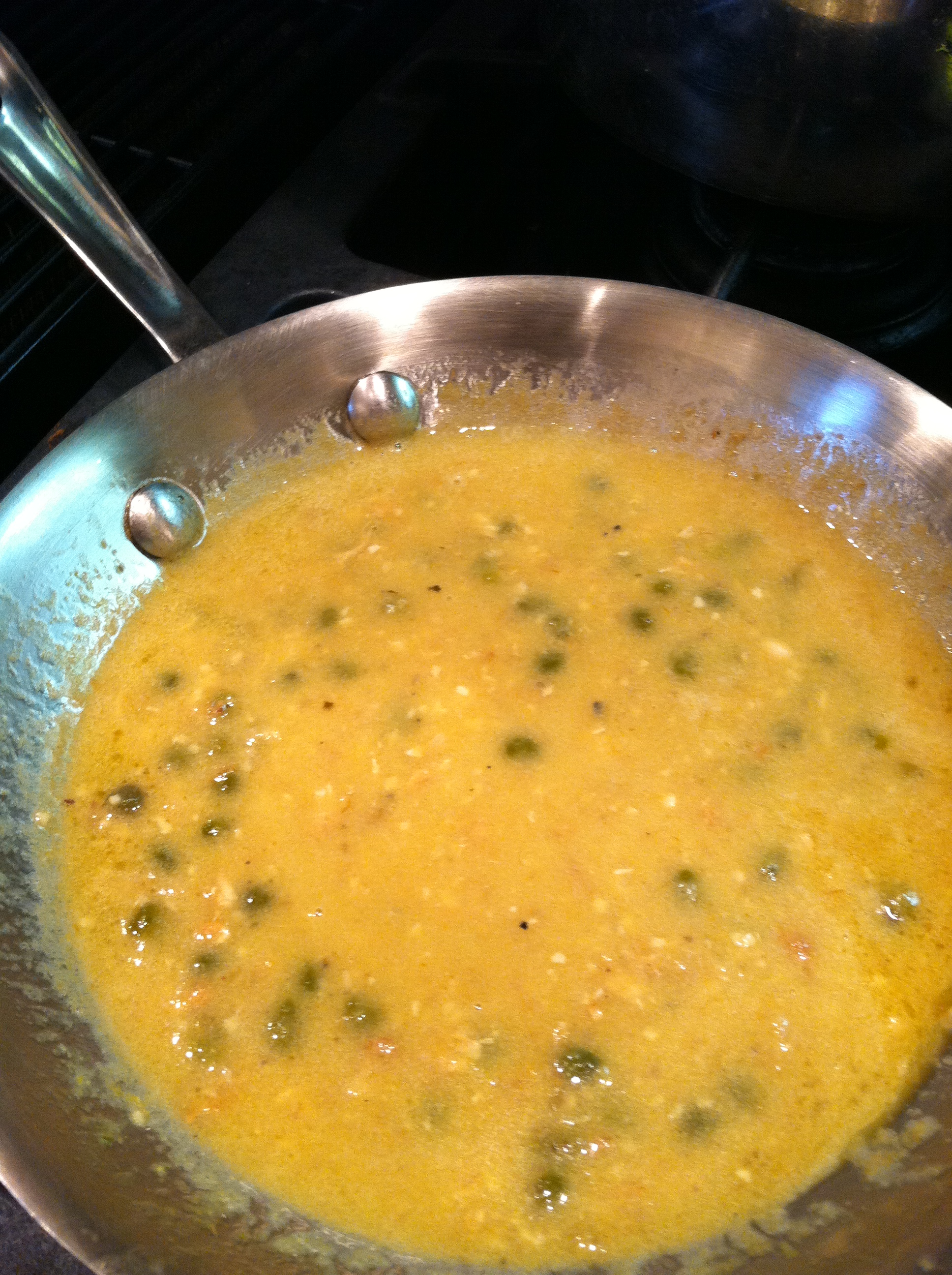
Finished Sauce
Whisk in the butter and serve.
Do not boil the sauce after adding the butter to avoid ‘breaking’ the sauce.
Serve with spaghetti, linguine or rice, if you prefer.
A fresh green salad and crusty bread are great sides.
Enjoy!
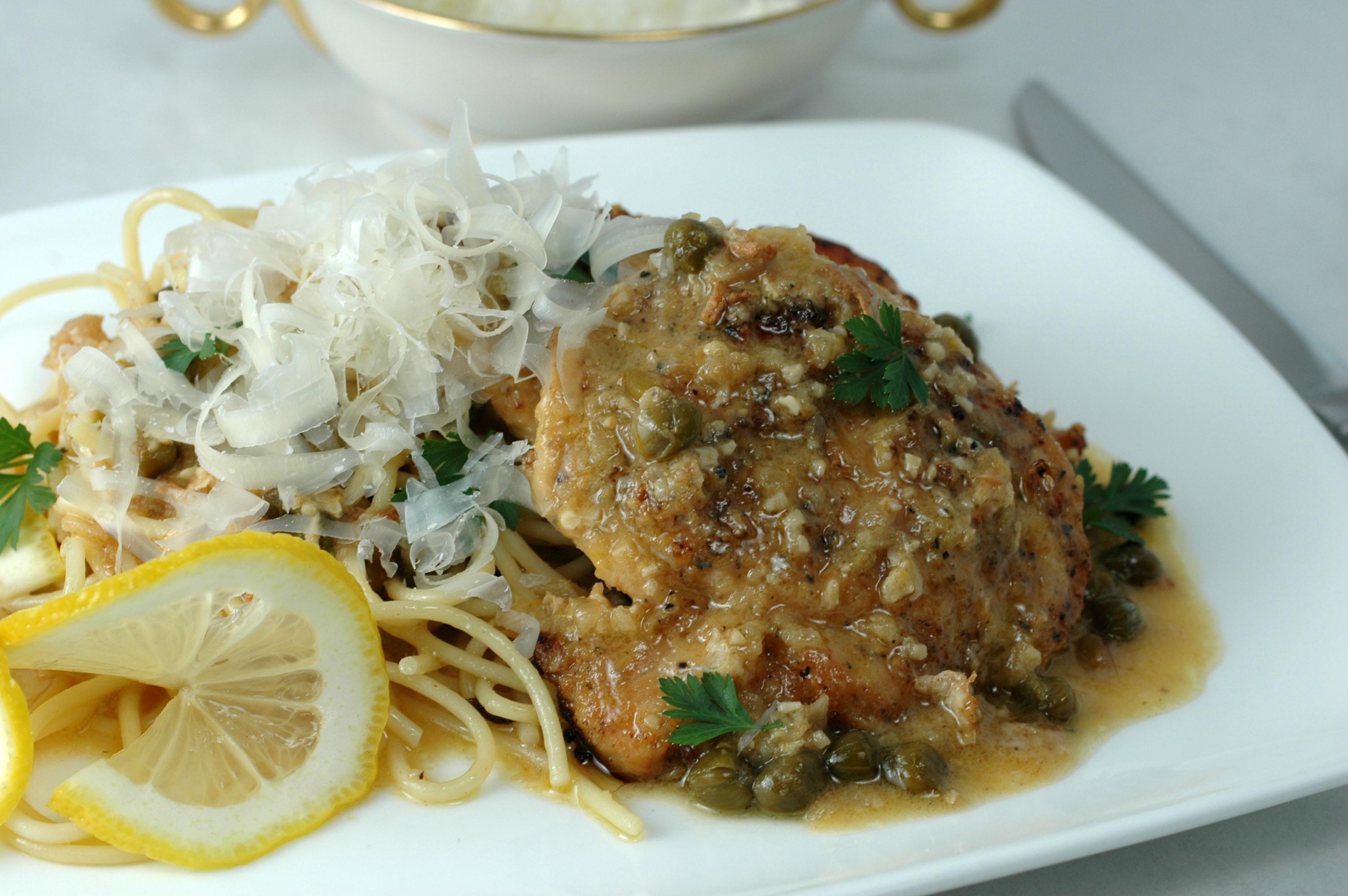
Chicken Piccata
This refers to a vessel in which you are putting a mixture of ingredients where they are going cook for a period of time.
What they want you to do is take butter and smear it all over the inside food contact surface.
The purpose is to make the food easy to remove so it does not stick to the inside of your cooking vessel.
I say ‘cooking vessel’ because it can be a heat proof glass dish (aka. Pyrex), a clay dish, a porcelain ramekin, a stainless steel pan, loaf pan etc. There a lot of choices.
Instead of butter you can also spray the inside surface with an oil spray such as PAM. Fewer calories and just as effective.
When making cakes or souffles, you would also dust the butter with flour, sugar, Parmesan cheese as appropriate.
Some pan release sprays have both oil and flour in them, read the labels. These are commonly called ‘Bakers Spray’. Some pan sprays contain alcohol. I prefer the ones that are 100% oil. The alcohol evaporates leaving a much thinner coat behind which could result in some sticking.
Be sure to look closely at the inside your casserole dish and make sure you got every little place coated with butter.
You can use hard or soft butter (it smears easier), salted or unsalted. You can even use margarine if you want.
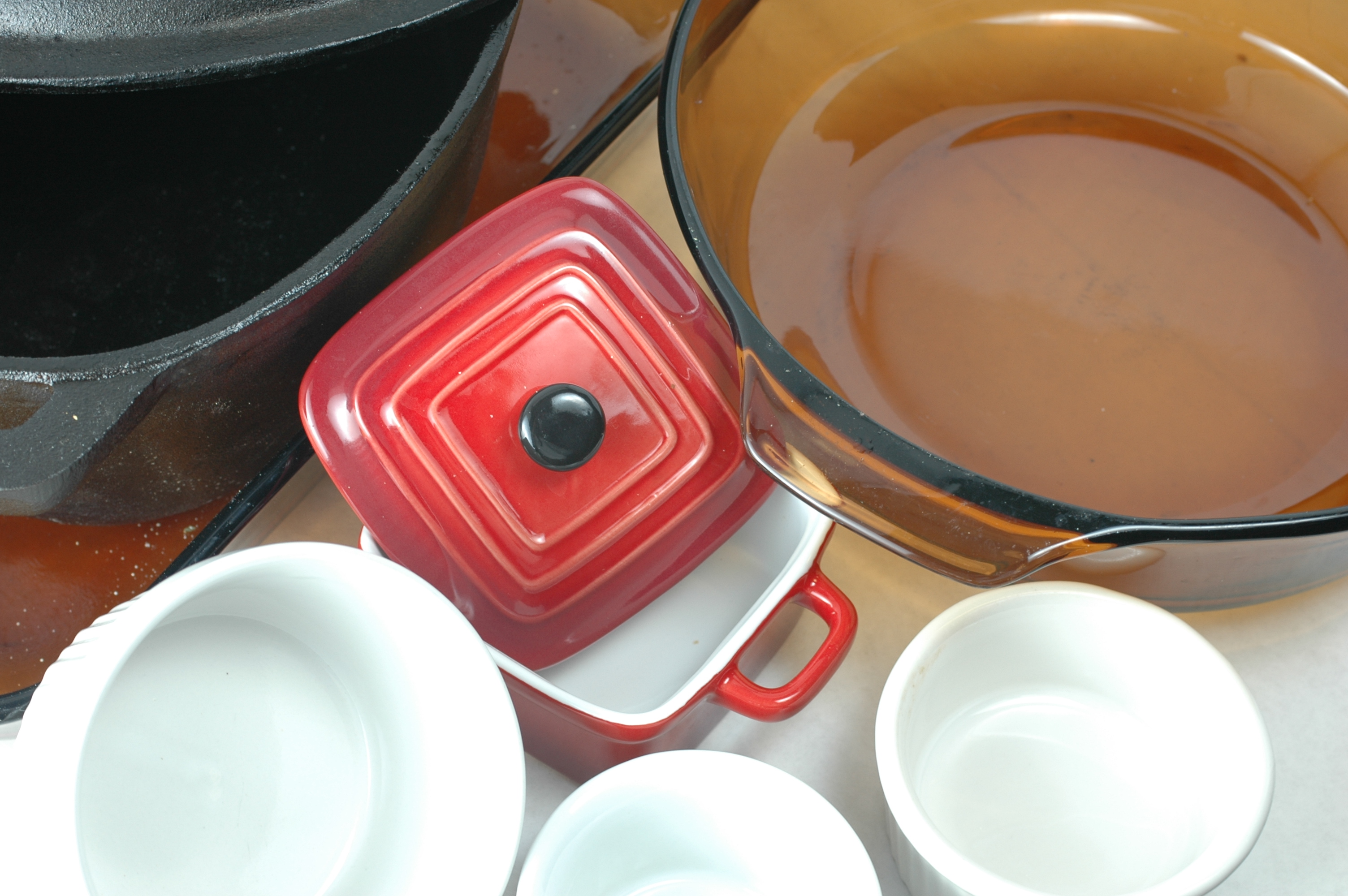
Various casserole Dishes

Buttered Casserole Dish
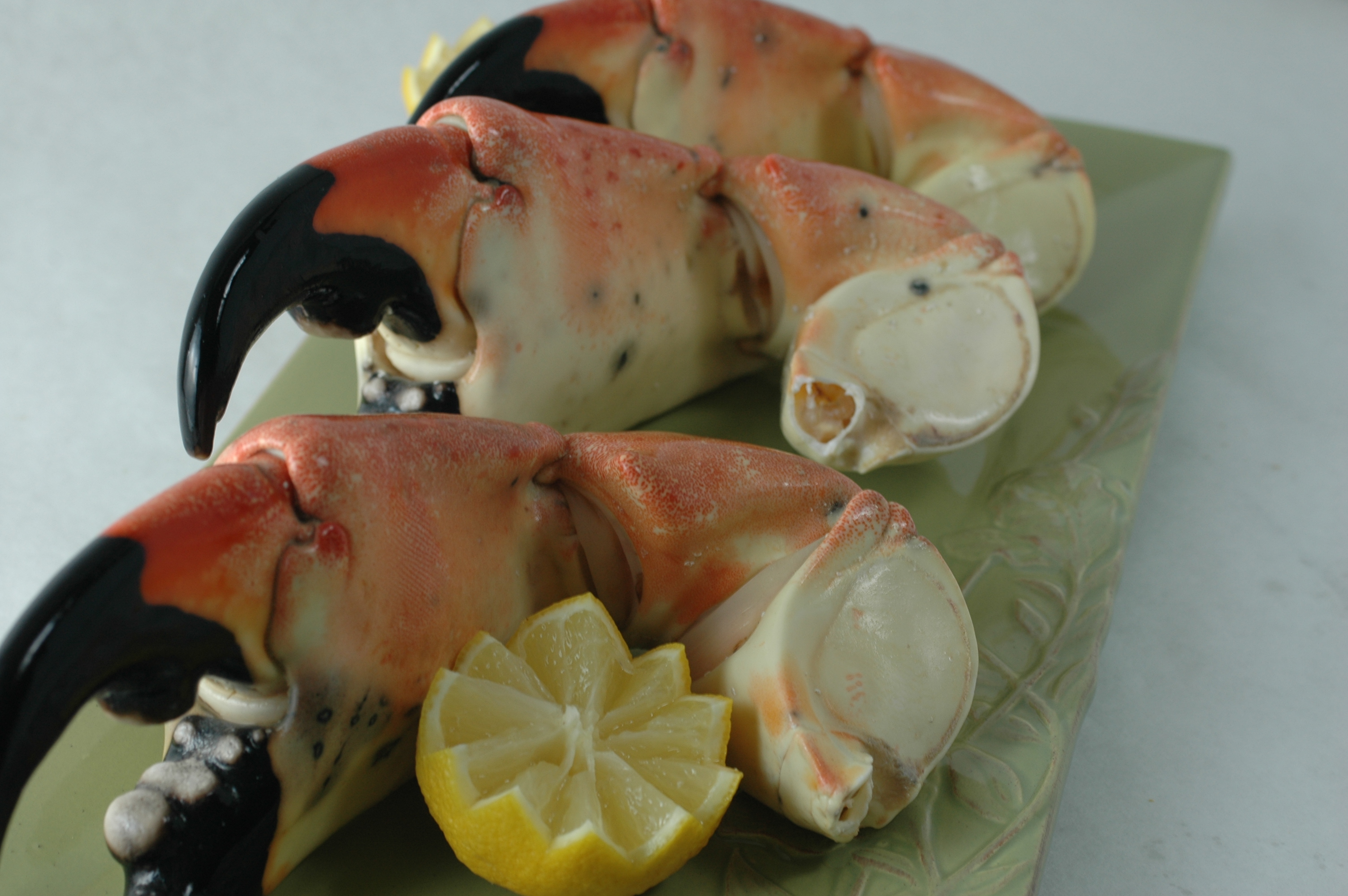
Yesterday I was delirious, lost in Stone Crab and Mustard Sauce heaven.
I spent many years of my young adulthood in Miami. Stone Crabs were a main part of my diet when in season.
Joe’s Stone Crabs on South Beach was an institution even when the neighborhood was not so nice. We ate there often. Every chance I could, I bought them. I made mustard sauce, cut lemons, cracked the claws and man, I was in heaven.
You Floridians know what I mean!
Yesterday when I was in Clean Catch Fish Market, Bill told me they were getting in some big claws in the morning so, how could I resist? I reserved 6 claws. After I saw the size, I cut my order in half. Each claw was nearly a pound or more!
Since he advised me to come after 11. I sauntered in at about 12:30 and sure enough the claws were in. They were easily a pound each. Huge!

There are several things about stone crabs you should know. You always buy them cooked. All you have to do is crack them and eat.
They are harvested one claw at a time. They re-grow what ever claw is taken. Some years it is all left claws others, it is all right claws. You never eat the entire crab, just one claw or the other. The crab is not killed, pissed off, I’m sure, but not killed. Besides, they can regenerate claws so I don’t feel so bad.
I wonder if the claws grow fast to accommodate the size of the rest of the crab. I have never seen claws as huge as these.
Wonder if they grew by the nuclear power plant in Jupiter, FL.
Needless to say they were delicious!
I made coleslaw, oven fried potato wedges, Mustard Sauce, cut lemons, poured well-chilled champagne.
What a lunch! (Robert is so lucky!)
Stir together to make a smooth paste.
Add
Add 2 tablespoons chopped fresh tarragon for a different flavor and versatile sauce.
Mix everything together an allow the flavors to mellow for at least 30 minutes before serving.
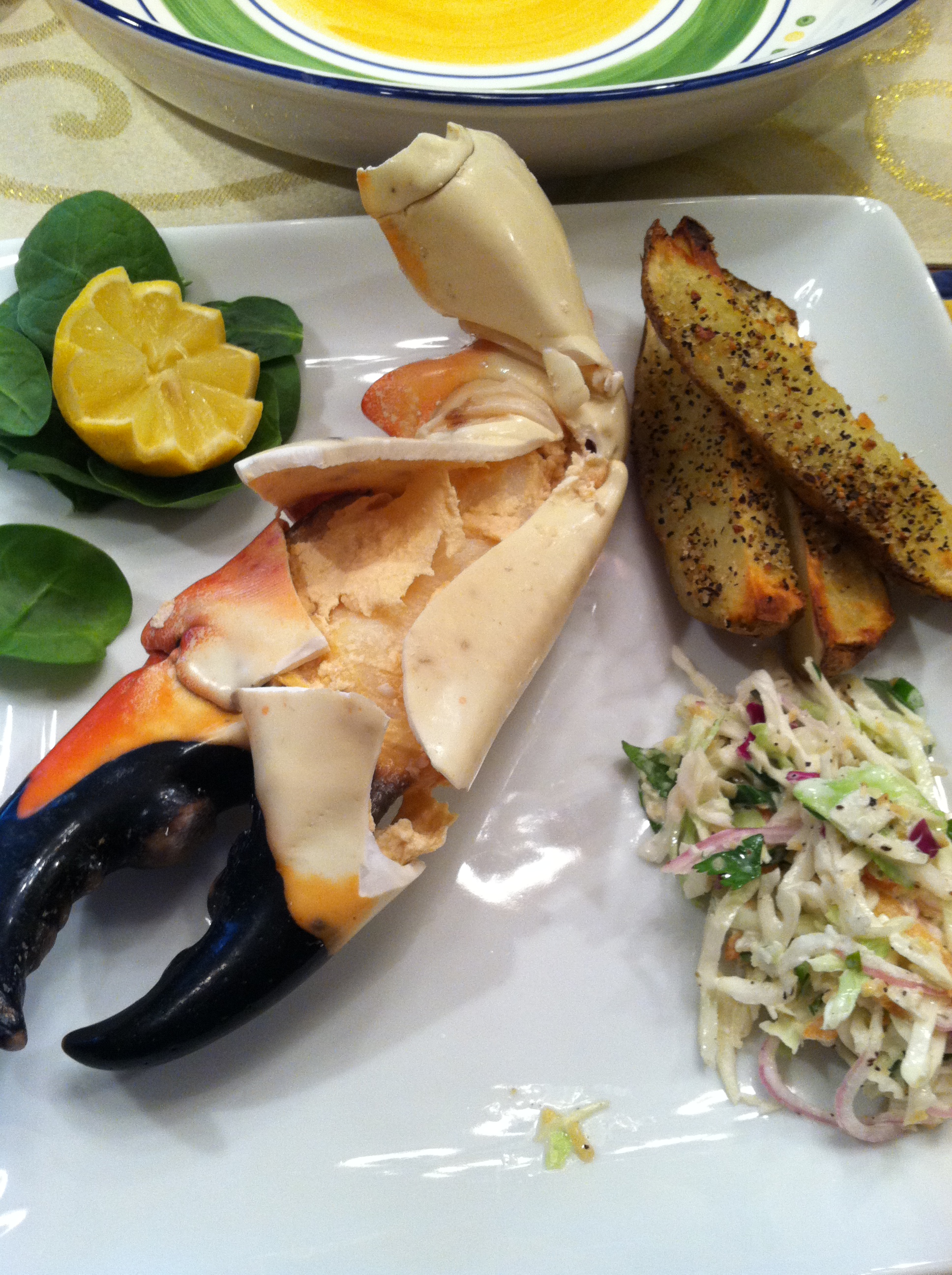
The shells were easy to crack and to get to the succulent bits of meat
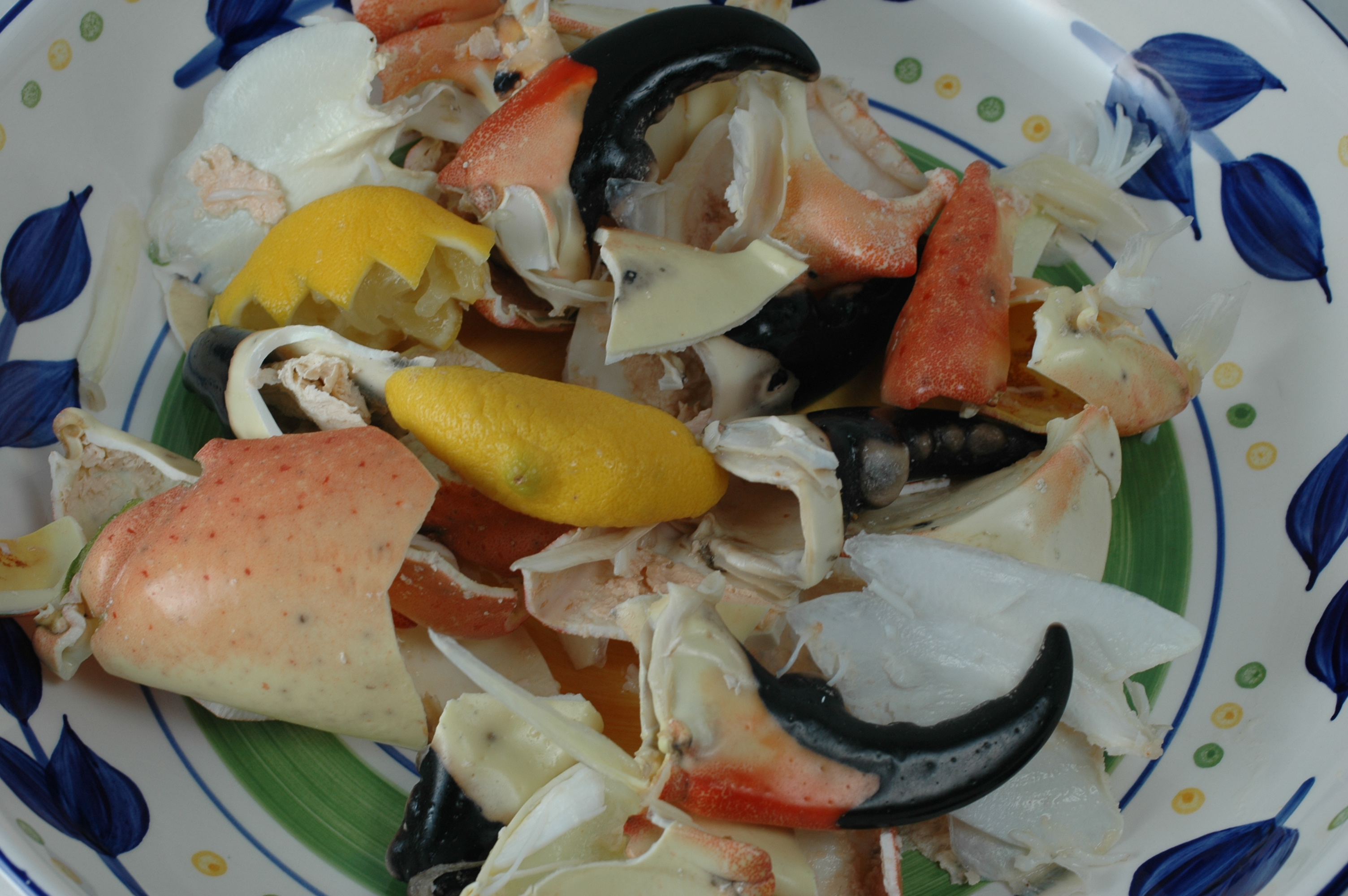
All that remained . . .
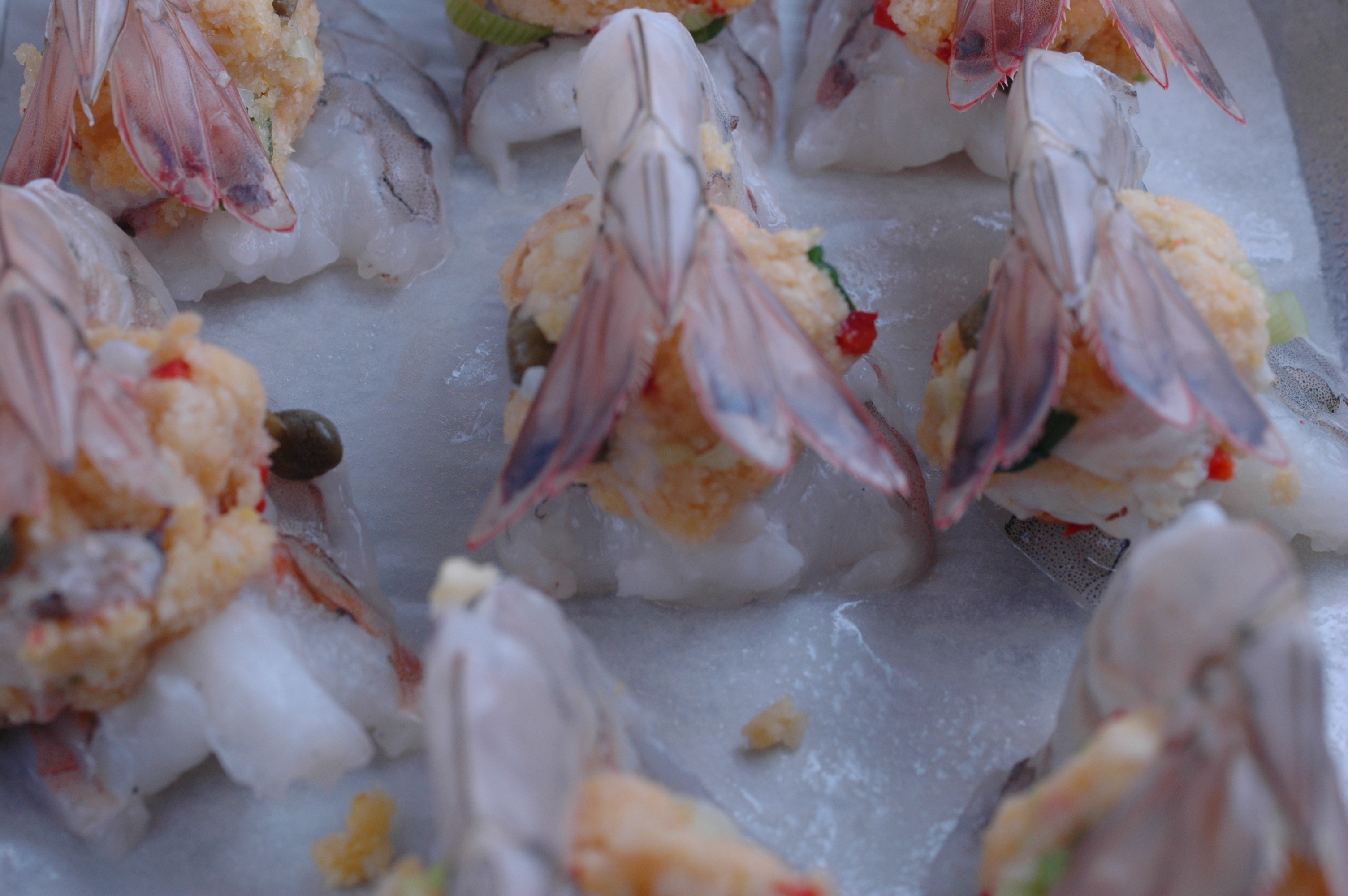 Stuffed shrimp are so easy to make and are considered a quick and easy meal. While scallops are the original fast food, these don’t fall far behind.
Use the largest shrimp you can afford. I prefer wild caught shrimp. What I have read about farm raised shrimp has me not eating shrimp for the most part. The process of farm raising shrimp is disgusting. I wouldn’t eat them for anything.
Wild caught are another story.
You need to know where the shrimp were caught. Additionally, you need be reasonably environmentally aware of what is going on the in the world so you can make your own decisions as to whether or not you want to eat fish from questionable areas.
I still don’t trust seafood from the Gulf of Mexico or BP for that matter. I do not think the full truth has been disclosed about the Gulf disaster.
Anyway, back to the shrimp.
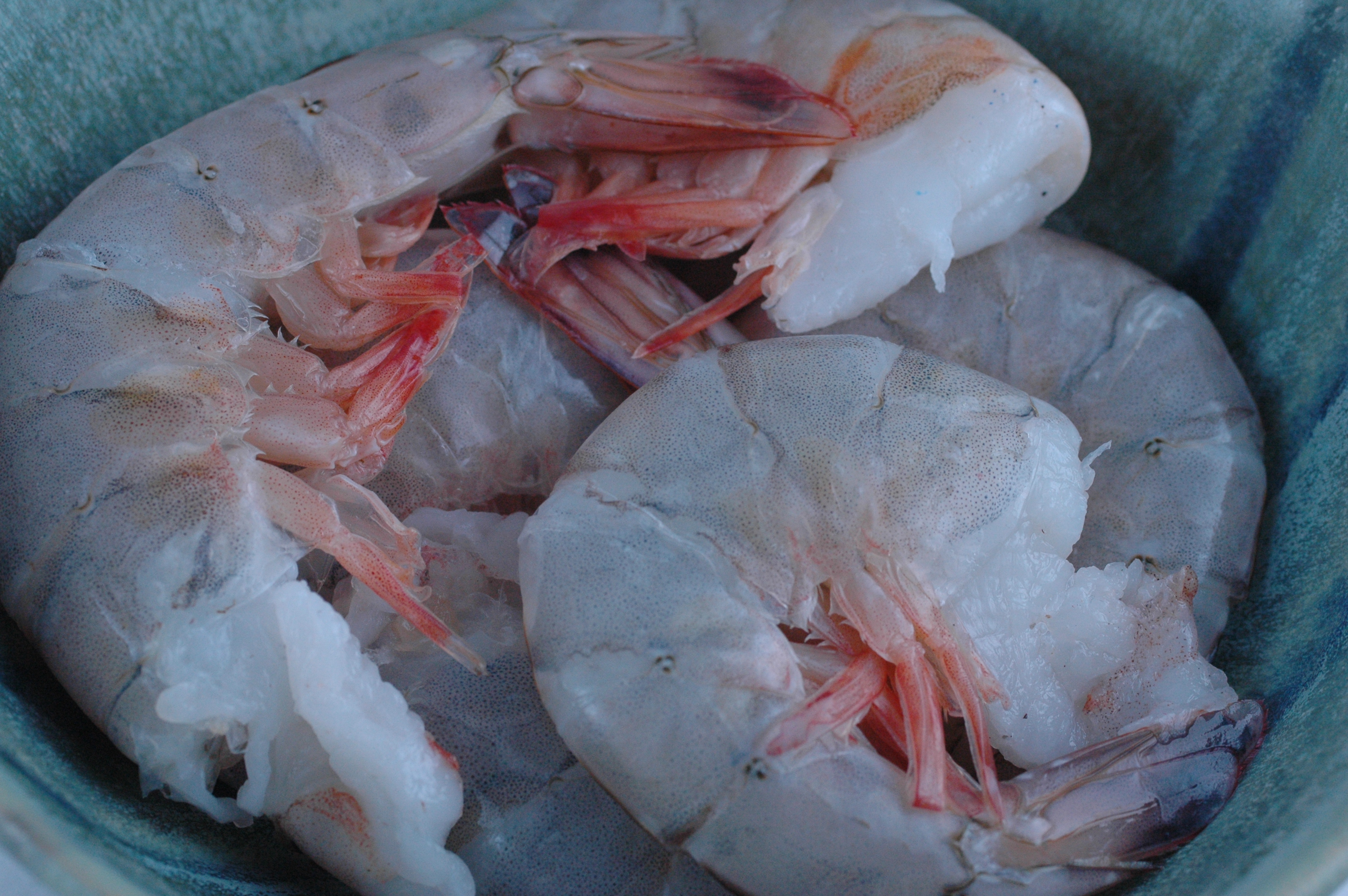 These are wild caught 16/20 white shrimp from eastern coast of Florida. We have a wonderful fish market in town called Clean Catch Fish Market. They procure only the best seafood from around the world. The prices reflect it too, but so well worth the cost. When I decided to write about stuffed shrimp, I needed the best shrimp I could find. There was only one place to go, Clean Catch.
When buying shrimp, the numbers like 16/20 indicate how many of them are in a pound. 16/20 means there are between 16 and 20 in a pound. The smaller the number, the larger the shrimp.
When you see a size like U-10 or U-15 it means Under 10 per pound or Under 15 per pound which means you are going to get a really big shrimp, almost lobster tail size.
Note: Larger shrimp are easier to peel. If you are so inclined, save the shells for making shrimp stock. Freeze them until you have enough to run a batch.
Smell the shrimp. They should smell like the fresh ocean, not ammonia, iodine or dead fish.
Because only two of us were eating, I got 8 shrimp. No need to buy a full pound.
For this dish, you will peel and devein and butterfly the shrimp. You will leave the first tail section and the tail on for presentation.
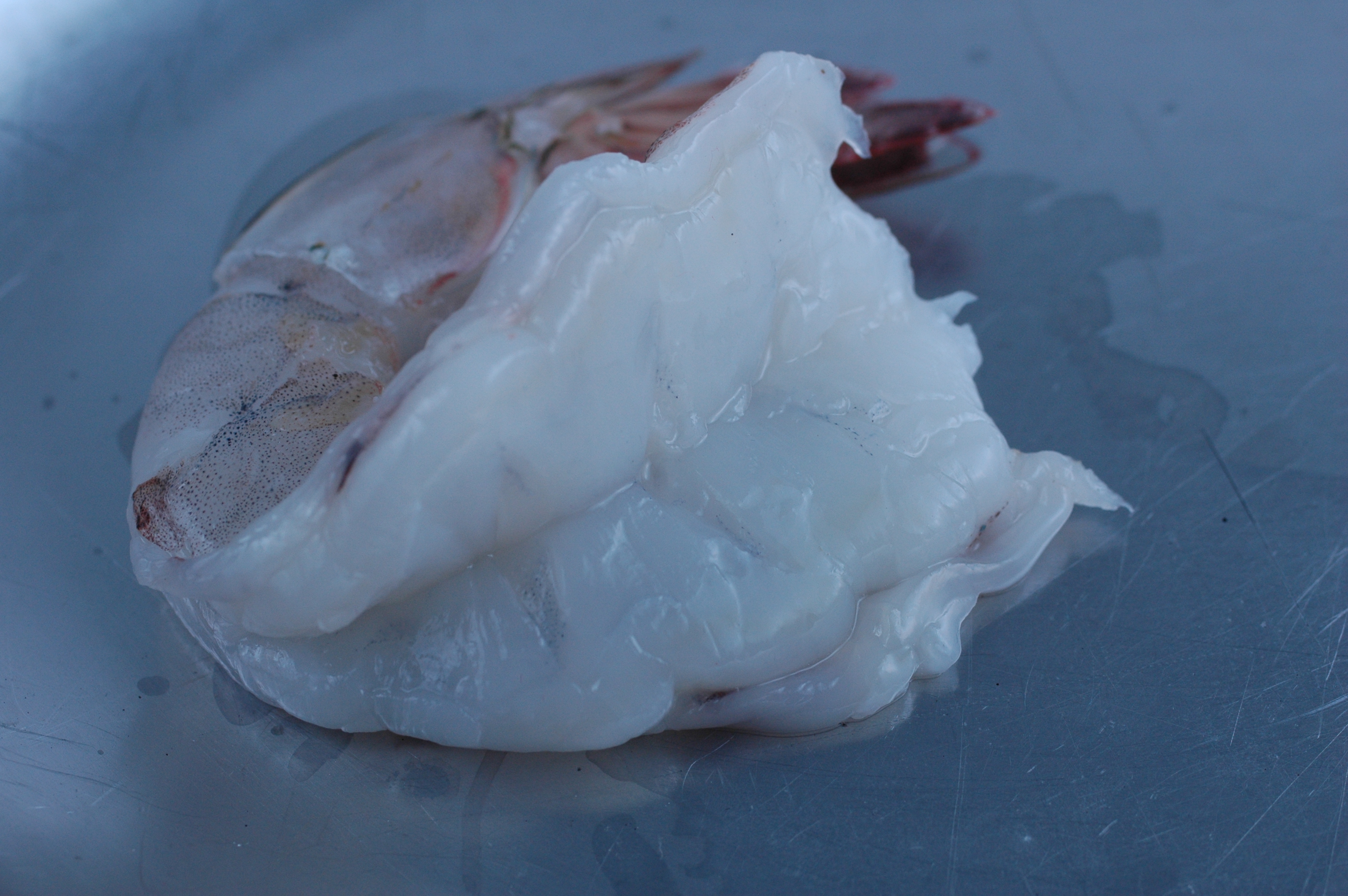 Insert your sharp paring knife into the top portion of the shrimp and open the shrimp all the way to the first tail section. This makes shell removal simple, also opens the shrimp so you can remove the intestinal track. (Yup, that’s what that black line is along the back.) Cut deep so you can lay the shrimp flat, also known as “butterfly” the shrimp. Be careful not to cut all the way through.
Rinse under clear cold water. Label and freeze shells for later use.
Make the stuffing. Form into small balls that fit on the back of the shrimp. Fold the tail over the stuffing and spread or fan the tail out so it looks nice.
 Place the shrimp on a baking sheet and bake in a 400°F oven for 10 minutes or until the shrimp turn pink.
Remove from the oven and serve with Lemon Orange Horseradish Sauce and a nice salad on the side.
This makes a generous amount. Freeze any left over so you can make stuffed shrimp again soon! Or use the stuffing in another seafood or in mushrooms or quail.
Mix everything in a bowl. The mixture should hold together when you squeeze it.
Make small balls of the stuffing mix and place a ball on the back of the shrimp and fold the tail over. Fan the tail.
Bake at 400°F for 10 minutes or until the shrimp are pink.
1/4 cup orange marmalade
Juice from 1/2 lemon
1 tablespoon horseradish (more or less depending upon desired heat)
Melt over low heat, whisk to incorporate. Bring to a boil and simmer for 2 minutes. If it gets too gloppy, add a small amount of water.
Spoon the sauce around the shrimp on the plate and serve.

 Spoon Feast